
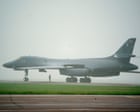
US bomber lands in UK after warning of surge in strikes on Iran
#US bomber #UK #Iran #military strikes #tensions #deployment #warning
📌 Key Takeaways
- A US bomber has landed in the UK, signaling a military presence shift.
- This deployment follows a warning about a potential surge in strikes against Iran.
- The move is part of broader US military strategy in the region.
- It underscores heightened tensions between the US and Iran.
📖 Full Retelling
🏷️ Themes
Military Deployment, Geopolitical Tensions
📚 Related People & Topics

Iran
Country in West Asia
# Iran **Iran**, officially the **Islamic Republic of Iran** and historically known as **Persia**, is a sovereign country situated in West Asia. It is a major regional power, ranking as the 17th-largest country in the world by both land area and population. Combining a rich historical legacy with a...

United Kingdom
Country in northwestern Europe
The United Kingdom of Great Britain and Northern Ireland, commonly known as the United Kingdom (UK) or Britain, is a country in northwestern Europe, off the coast of the continental mainland. It comprises England, Scotland, Wales and Northern Ireland, with a population of over 69 million in 2024. Th...
Entity Intersection Graph
Connections for Iran:
Mentioned Entities
Deep Analysis
Why It Matters
This development matters because it signals potential escalation in US-Iran tensions, which could destabilize the Middle East region and impact global oil markets. It affects UK-US military relations as the UK becomes a staging ground for potential operations. European allies are drawn into Middle Eastern conflicts, and regional powers like Iran face increased military pressure. Global security analysts monitor this as a potential trigger for broader conflict.
Context & Background
- The US and Iran have had strained relations since the 1979 Iranian Revolution and subsequent hostage crisis
- Recent tensions escalated after the US withdrawal from the Iran nuclear deal (JCPOA) in 2018 under President Trump
- Iran has been accused of supporting proxy groups throughout the Middle East, including in Iraq, Syria, and Yemen
- The UK has historically been a key US military ally and hosts multiple US air bases, including RAF Fairford which regularly hosts US bombers
- Previous US bomber deployments to the UK have occurred during periods of heightened Middle East tensions
What Happens Next
Military analysts expect increased surveillance and potential strike preparations against Iranian targets or proxies in coming weeks. Diplomatic channels between US, European allies, and Iran will likely see intensified activity to prevent escalation. The UK government may face domestic pressure regarding its role in potential US military actions. Additional US military assets could deploy to the region in response to perceived Iranian threats.
Frequently Asked Questions
UK bases provide strategic positioning with established infrastructure and political support from a key ally. Deploying to the UK maintains operational flexibility while keeping assets at a safer distance from immediate threats. This also signals resolve to European allies while maintaining capability for rapid response.
Potential triggers include attacks on US forces or allies by Iranian proxies, advancement of Iran's nuclear program beyond agreed limits, or threats to international shipping in strategic waterways. Recent attacks on commercial vessels or drone incidents could justify military response under current US policy.
This strains UK-Iran relations as Britain hosts US military assets that could be used against Iran. The UK must balance its special relationship with the US against diplomatic efforts with Iran, particularly regarding nuclear negotiations. British citizens and interests in the region face increased security risks.
European nations like France and Germany have tried to preserve the nuclear deal and maintain dialogue with Iran. They often act as mediators between Washington and Tehran while coordinating security responses. Their bases and airspace may be crucial for US military operations despite political disagreements.
Iran could increase military exercises, test missiles, or accelerate nuclear activities as demonstrations of capability. Proxy groups might conduct limited attacks to test responses while avoiding major escalation. Diplomatic protests through UN channels and regional allies would likely accompany any military posturing.