
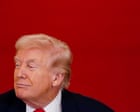
US democracy has settled into diminished state, experts find
#US democracy #diminished state #experts #democratic erosion #political institutions
📌 Key Takeaways
- US democracy is in a diminished state according to experts
- Experts have observed a decline in democratic norms and institutions
- The current state reflects a long-term trend of democratic erosion
- This assessment is based on analysis by multiple political scientists
📖 Full Retelling
🏷️ Themes
Democracy, Political Decline
Entity Intersection Graph
No entity connections available yet for this article.
Deep Analysis
Why It Matters
This assessment matters because it signals a fundamental shift in the quality of American democracy that affects every citizen's rights and representation. It impacts voting access, legislative responsiveness, and public trust in institutions, potentially undermining policy effectiveness and social cohesion. The findings suggest systemic issues that could influence international perceptions of U.S. leadership and democratic stability worldwide.
Context & Background
- The U.S. has experienced declining democracy scores in international indices like Freedom House and V-Dem Institute reports since around 2016
- Historical events like the January 6th Capitol attack highlighted vulnerabilities in democratic norms and peaceful power transitions
- Long-term trends include increasing political polarization, gerrymandering, and challenges to voting rights legislation
- Comparative studies show the U.S. now ranks below many other established democracies in various metrics
- Academic debates have intensified about whether the U.S. should still be classified as a full democracy versus a 'flawed democracy'
What Happens Next
Experts will likely monitor the 2024 elections for further democratic stress tests, particularly regarding election administration and acceptance of results. Congressional debates over voting rights legislation may intensify, while state-level election law changes will continue to be challenged in courts. International organizations will publish updated democracy rankings that may further document the decline, potentially affecting diplomatic relations and global democracy promotion efforts.
Frequently Asked Questions
Experts point to declining scores in electoral integrity, civil liberties protections, and institutional constraints on executive power. They also cite increased political violence, erosion of democratic norms, and weakening of checks and balances between government branches.
Citizens may experience reduced voting access, less responsive government, and diminished trust that elections reflect public will. Policy outcomes may increasingly favor narrow interests rather than majority preferences, affecting everything from healthcare to economic opportunity.
Yes, through reforms like voting rights protections, anti-corruption measures, and civic education. However, experts note reversal requires bipartisan commitment to democratic norms and addressing underlying issues like polarization and disinformation.
The U.S. now ranks below most Western European democracies and comparable nations like Canada and Australia in various indices. Some analysts place the U.S. alongside younger democracies with more institutional challenges rather than established stable democracies.
Extreme polarization undermines compromise and mutual toleration essential for democracy. It contributes to norm erosion, election denialism, and makes democratic reforms harder to achieve through normal legislative processes.