
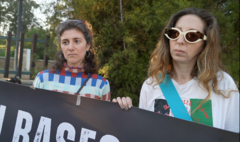
War fuels debate in Cyprus over UK military bases
#Cyprus #UK military bases #war impact #sovereignty #regional security #international debate #military cooperation
📌 Key Takeaways
- The ongoing war has intensified discussions about the UK's military bases in Cyprus.
- Cyprus is reevaluating the strategic and political implications of hosting foreign military installations.
- Local and international stakeholders are debating the bases' role in regional security and sovereignty.
- The debate highlights tensions between national sovereignty and international military cooperation.
📖 Full Retelling
🏷️ Themes
Military Bases, Sovereignty Debate
📚 Related People & Topics

Cyprus
Island country in West Asia and the Mediterranean Sea
Cyprus, officially the Republic of Cyprus, is an island country in the eastern Mediterranean Sea, located off the coast of the Levant in West Asia. Cyprus’ capital and largest municipality is Nicosia. The northeast portion of the island is occupied by Turkey, which is separated from the Republic of ...
Entity Intersection Graph
Connections for Cyprus:
Mentioned Entities
Deep Analysis
Why It Matters
This news matters because it highlights how global conflicts are reshaping local political dynamics in strategically important regions. The debate over UK military bases in Cyprus affects Cypriot sovereignty, UK military strategy in the Eastern Mediterranean, and regional security architecture. It also impacts diplomatic relations between Cyprus, the UK, Greece, Turkey, and other regional actors who have interests in the island's status.
Context & Background
- Cyprus has hosted UK military bases since gaining independence in 1960 under the Treaty of Establishment
- The UK maintains two Sovereign Base Areas (SBAs) at Akrotiri and Dhekelia covering about 3% of Cyprus's territory
- These bases have served as critical intelligence gathering and military staging posts for operations in the Middle East
- Cyprus remains divided since 1974 with Turkish forces controlling the northern third of the island
- Previous debates about the bases have intensified during conflicts like the Iraq War and Syrian civil war
What Happens Next
Expect increased parliamentary debates in Cyprus about renegotiating base agreements, potential protests at base perimeters, and diplomatic discussions between Nicosia and London. The UK may offer concessions on base operations or environmental concerns to maintain access. Regional powers like Turkey and Greece will likely issue statements supporting or opposing changes to the status quo.
Frequently Asked Questions
The bases provide strategic positioning in the Eastern Mediterranean for intelligence gathering, rapid deployment to Middle Eastern conflicts, and serve as listening posts. They're particularly valuable for monitoring activities in Syria, Lebanon, and the broader region.
The bases operate under the 1960 Treaty of Establishment that granted Cyprus independence from British rule. This treaty created Sovereign Base Areas that remain under British jurisdiction, though their use has been contested by some Cypriot political factions.
Views are mixed - some see them as economic assets providing jobs and security guarantees, while others view them as colonial remnants that compromise sovereignty. The division often falls along political lines with left-wing parties more critical.
Unilaterally removing the bases would violate international treaties and likely trigger diplomatic crises. Any changes would require complex negotiations, possibly involving other guarantor powers like Greece and Turkey under the 1960 agreements.
When the UK uses Cypriot territory for Middle Eastern operations, it often reignites sovereignty concerns and fears of making Cyprus a target. Recent conflicts have intensified calls for greater Cypriot oversight over base activities.