
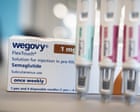
Wegovy users have five times greater risk of sudden sight loss than Ozempic users, study finds
#Wegovy #Ozempic #sudden sight loss #GLP-1 agonists #study #side effects #risk comparison
📌 Key Takeaways
- Wegovy users face a five times higher risk of sudden sight loss compared to Ozempic users.
- The finding is based on a recent study examining the side effects of these medications.
- Both Wegovy and Ozempic are GLP-1 receptor agonists used for weight loss and diabetes.
- The study highlights potential serious ocular risks associated with Wegovy use.
📖 Full Retelling
🏷️ Themes
Health Risks, Pharmaceutical Safety
Entity Intersection Graph
No entity connections available yet for this article.
Deep Analysis
Why It Matters
This news is critically important because it reveals significant safety differences between two popular GLP-1 receptor agonist medications that millions of people use for weight management and diabetes. The finding affects current Wegovy users who may face unexpected vision risks, healthcare providers prescribing these medications, and regulatory agencies monitoring drug safety. It could influence treatment decisions for obesity and diabetes management, potentially shifting prescribing patterns and prompting new safety warnings.
Context & Background
- Wegovy (semaglutide) and Ozempic (also semaglutide) are both GLP-1 receptor agonists manufactured by Novo Nordisk, but Wegovy is approved specifically for weight management while Ozempic is approved for type 2 diabetes
- Both medications have gained massive popularity in recent years, with Wegovy becoming one of the most prescribed weight-loss drugs globally
- Previous studies have linked GLP-1 drugs to various side effects including gastrointestinal issues, but vision problems were considered relatively rare complications
- The FDA has previously issued warnings about potential thyroid tumors and pancreatitis risks associated with these medications
What Happens Next
Regulatory agencies like the FDA and EMA will likely review this study and may issue new safety warnings or require updated labeling for Wegovy. Healthcare providers will need to discuss these risks with current and prospective patients. Further research will be conducted to confirm these findings and understand the biological mechanisms behind the vision risk difference. Pharmaceutical companies may need to conduct additional safety studies on their GLP-1 medications.
Frequently Asked Questions
Both contain the same active ingredient (semaglutide) but have different FDA-approved uses and dosages. Wegovy is approved specifically for chronic weight management, while Ozempic is approved for type 2 diabetes treatment, though both are sometimes used off-label.
The article doesn't provide specific percentages, only that Wegovy users have five times greater risk than Ozempic users. The absolute risk would depend on baseline rates, which would require examining the full study data.
Patients should not stop medication without consulting their healthcare provider. The decision should balance the vision risk against the benefits of weight loss and individual health factors, with medical guidance.
Possible reasons include different dosing regimens, variations in patient populations (weight management vs. diabetes patients), or differences in how the body processes the medications despite the same active ingredient.
The article mentions 'sudden sight loss' but doesn't specify the exact condition. This could refer to various ophthalmological emergencies like retinal artery occlusion, optic neuropathy, or other acute vision disturbances.