
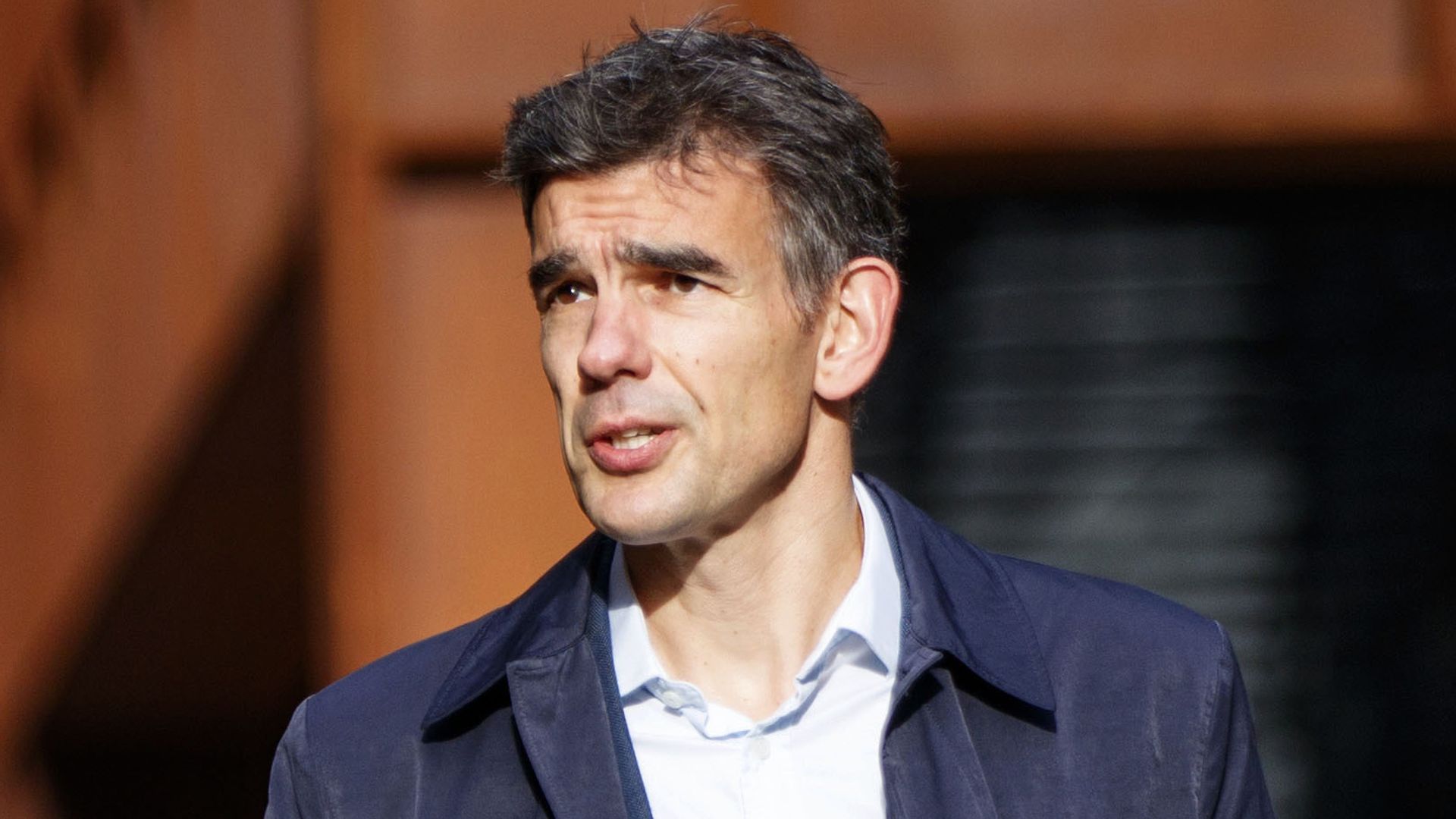
Who is Matt Brittin, the man expected to be new director-general of the BBC?
#Matt Brittin #BBC #director-general #Google #appointment #digital media #leadership change
📌 Key Takeaways
- Matt Brittin is the expected new director-general of the BBC.
- He is a senior executive at Google, currently serving as President of EMEA Business & Operations.
- His appointment signals a shift toward digital and commercial expertise in BBC leadership.
- Brittin's background includes extensive experience in technology and media industries.
🏷️ Themes
Leadership, Media
📚 Related People & Topics

Matt Brittin
British rower and businessman
Matthew John Brittin (born 1 September 1968) is a British businessman who was President of EMEA Business & Operations for Google until the start of 2025. From 2007 until he left he was lead spokesperson for Google on its announcements in Europe about digital skills, as well as on issues such as con...
Entity Intersection Graph
Connections for Matt Brittin:
Mentioned Entities
Deep Analysis
Why It Matters
The appointment of a new BBC Director-General matters because this individual will lead one of the world's most influential public broadcasters during a period of intense financial pressure, technological disruption, and political scrutiny. The choice signals the future strategic direction of the BBC, impacting its funding model, editorial stance, and digital transformation. This affects not only the BBC's 20,000+ employees and UK audiences but also the global media landscape, as the BBC sets standards for public service broadcasting worldwide.
Context & Background
- The BBC Director-General is the chief executive and editor-in-chief, responsible for all operational and editorial decisions.
- The role has been held by Tim Davie since 2020, who succeeded Tony Hall after a tenure focused on financial restructuring and addressing impartiality concerns.
- The BBC is funded primarily by the television license fee, a model under constant political debate and facing challenges from streaming services.
- Previous Directors-General have come from diverse backgrounds including journalism (Greg Dyke), media management (Mark Thompson), and internal BBC leadership (George Entwistle).
- The appointment process involves the BBC Board and requires final approval from the UK government, making it both a corporate and political decision.
What Happens Next
Following the formal announcement, Matt Brittin will undergo parliamentary pre-appointment scrutiny by the Digital, Culture, Media and Sport Committee, likely in early 2025. He will then begin his tenure, immediately facing decisions about the BBC's charter renewal negotiations (due 2027), potential license fee reforms, and strategic responses to competition from global streaming platforms. Key early moves will include appointing a new senior leadership team and setting priorities for the BBC's digital-first strategy.
Frequently Asked Questions
His experience leading Google's EMEA business brings expertise in digital advertising, global operations, and navigating regulatory challenges—skills crucial as the BBC seeks new revenue streams beyond the license fee. However, it also represents a shift from traditional broadcasting leadership, raising questions about his approach to public service values versus commercial priorities.
The main challenges include securing sustainable funding as the license fee model becomes increasingly contested, maintaining relevance among younger audiences who favor streaming services, and upholding impartiality amid political polarization. Additionally, they must manage the BBC's global reputation while addressing internal concerns about budget cuts and restructuring.
The BBC Board leads the recruitment, advised by an executive search firm, and recommends a candidate to the government. The Culture Secretary then reviews the appointment, with Parliament's DCMS Committee holding a pre-appointment hearing to scrutinize the candidate's suitability before final approval.
Initially, viewers may see accelerated digital platform improvements and potential shifts in content investment toward online services. Staff should expect a review of organizational structure and possible strategic reallocation of resources, though major programming changes typically unfold over longer periods.
Brittin's global experience at Google suggests potential for strengthening BBC Studios' commercial arm and expanding digital services worldwide. However, this must balance with the BBC's public service remit, as international success often funds domestic programming but risks perceptions of over-commercialization.