
Why UK's new steel tariff is a watershed moment
#UK #steel #tariffs #trade #Brexit #industry #imports #protectionism
📌 Key Takeaways
- The UK has implemented new tariffs on steel imports, marking a significant policy shift.
- This move is described as a 'watershed moment' for the UK's trade and industrial strategy.
- The tariffs aim to protect domestic steel producers from international competition.
- The policy reflects broader changes in post-Brexit trade relations and economic priorities.
📖 Full Retelling
🏷️ Themes
Trade Policy, Industrial Strategy
📚 Related People & Topics
Brexit
Withdrawal of the UK from the EU
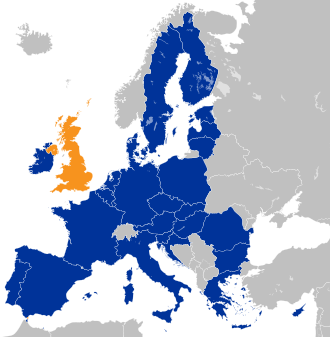
Brexit (; a portmanteau of "Britain" and "Exit") was the withdrawal of the United Kingdom (UK) from the European Union (EU). Brexit took place at 23:00 GMT on 31 January 2020 (00:00 1 February 2020 CET). The UK, which joined the EU precursor, the European Communities (EC), on 1 January 1973, is the ...

United Kingdom
Country in northwestern Europe
The United Kingdom of Great Britain and Northern Ireland, commonly known as the United Kingdom (UK) or Britain, is a country in northwestern Europe, off the coast of the continental mainland. It comprises England, Scotland, Wales and Northern Ireland, with a population of over 69 million in 2024. Th...
Entity Intersection Graph
Connections for Brexit:
Mentioned Entities
Deep Analysis
Why It Matters
The UK's new steel tariff represents a significant shift in trade policy that will impact multiple sectors of the economy. This matters because it affects domestic steel producers who gain protection from cheaper imports, while manufacturers using steel as raw material face higher costs. Consumers may see price increases for automobiles, construction materials, and appliances. The policy also signals the UK's post-Brexit approach to balancing industrial protection with global trade relationships, potentially influencing future trade negotiations with the EU and other partners.
Context & Background
- The UK steel industry has faced decades of decline with production falling from 28 million tonnes annually in the 1970s to under 7 million tonnes today
- Previous EU membership required the UK to follow bloc-wide trade policies, including external tariffs set collectively by the European Commission
- The 2016 Brexit referendum created the opportunity for independent UK trade policy for the first time in nearly 50 years
- Global steel overcapacity, particularly from China, has depressed prices worldwide since the early 2000s
- The UK government previously provided emergency loans to British Steel in 2019 and Tata Steel in 2020 to prevent collapse
What Happens Next
Manufacturers will likely petition for exemptions or rebates on tariffs for specific steel products they import. The EU may challenge the tariffs through WTO dispute mechanisms if they violate previous agreements. Within 6-12 months, we should see data on whether the policy has actually boosted domestic steel production or simply increased costs across supply chains. The government will face pressure to develop a comprehensive industrial strategy beyond tariffs to support the sector long-term.
Frequently Asked Questions
The UK government has implemented new import duties on steel products coming from outside the country. These tariffs make foreign steel more expensive compared to domestically produced steel, giving UK producers a competitive advantage in their home market.
This represents the UK's first major independent trade policy decision since leaving the EU. It marks a departure from EU-wide trade approaches and demonstrates how Brexit enables different economic policies that prioritize domestic industries over free trade principles.
UK steel producers like British Steel and Tata Steel UK benefit directly through reduced foreign competition. Steel industry workers and communities dependent on steel plants may see more job security. The government gains political support in industrial regions.
Manufacturers using steel as raw material face higher production costs, potentially making their products less competitive. Consumers may pay more for steel-containing goods. Trading partners whose steel exports to the UK decline may retaliate with their own trade barriers.
This creates tension between industrial protection and environmental objectives. Older UK steel plants have higher carbon emissions than some modern foreign facilities. The government may need to invest in green steel technology to align protectionism with net-zero commitments.
While not necessarily leading to full-scale trade war, targeted retaliatory measures from affected countries are possible. The EU might challenge the tariffs at the WTO, and countries like China could impose counter-tariffs on UK exports, particularly if they view the measures as protectionist rather than legitimate trade defense.