
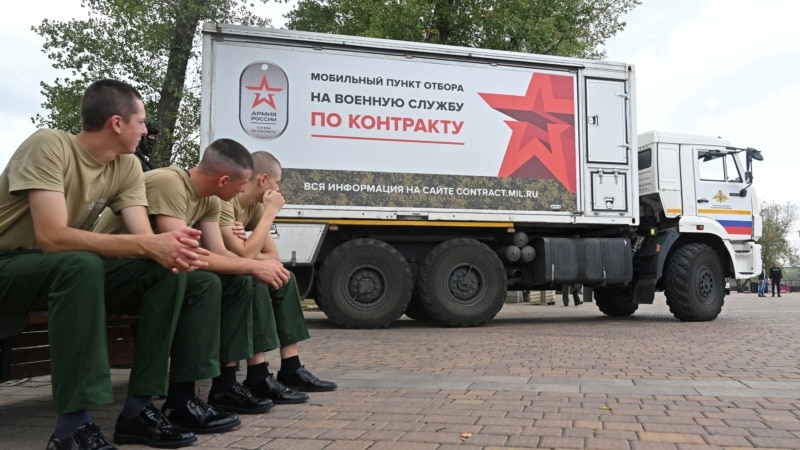
'Drunk? Sign Here': Russia Recruits Intoxicated Men As Military Manpower Crisis Peaks
#Russia #military recruitment #intoxicated men #manpower crisis #conscription #ethical concerns #armed forces
📌 Key Takeaways
- Russia is recruiting intoxicated men to address military manpower shortages.
- The recruitment strategy targets vulnerable individuals in public spaces.
- This reflects a deepening crisis in Russia's military personnel resources.
- The approach raises ethical and operational concerns about forced conscription.
📖 Full Retelling
🏷️ Themes
Military Recruitment, Manpower Crisis
📚 Related People & Topics

Russia
Country in Eastern Europe and North Asia
Russia, or the Russian Federation, is a country in Eastern Europe and North Asia. It is the largest country in the world, spanning eleven time zones and sharing land borders with fourteen countries. With a population of over 140 million, Russia is the most populous country in Europe and the ninth-mo...
Entity Intersection Graph
Connections for Russia:
Mentioned Entities
Deep Analysis
Why It Matters
This news reveals the severity of Russia's military manpower crisis, indicating that conventional recruitment methods have failed and forcing desperate measures that compromise military effectiveness. It affects Russian citizens who may be coerced into service while intoxicated, their families, and Ukraine's military which faces potentially less capable opponents. The situation also impacts global security as it shows Russia's willingness to sacrifice troop quality to sustain its war effort, potentially prolonging the conflict.
Context & Background
- Russia has faced significant troop losses since invading Ukraine in February 2022, with Western estimates suggesting over 300,000 casualties
- Previous recruitment efforts included offering high salaries, pardoning prisoners, and pressuring ethnic minorities, but these proved insufficient
- Russia's population demographics show a declining number of military-age men due to low birth rates in the 1990s
- The Wagner Group's recruitment of prisoners in 2022-2023 marked an earlier escalation in desperate manpower measures
- Moscow has avoided declaring full mobilization to minimize domestic political backlash, creating pressure for alternative recruitment methods
What Happens Next
Russia will likely continue aggressive recruitment through early 2024, possibly expanding to more coercive measures if current tactics fail. Expect increased reports of forced conscription in regions far from Moscow. Ukraine may exploit this situation by targeting poorly trained units. International observers will monitor for potential human rights violations in recruitment practices.
Frequently Asked Questions
The Kremlin fears widespread domestic backlash and economic disruption that could threaten political stability. Partial mobilization in September 2022 caused significant protests and mass emigration, making full mobilization politically risky for Putin's government.
They are significantly less effective due to impaired judgment, coordination, and decision-making. Such recruits require extensive sober training before becoming combat-ready, creating additional burdens on Russia's already strained military training system.
Poorer regions and ethnic minority areas face disproportionate targeting, as Moscow prioritizes minimizing political backlash in major cities. Rural areas with limited economic opportunities see particularly aggressive recruitment efforts.
Ukraine may adjust tactics to exploit poorly trained units, focusing on disrupting Russian supply lines and command structures. However, sheer numbers of recruits could still enable Russia to sustain defensive positions despite quality issues.
Yes, this violates Russian military regulations and potentially international laws regarding voluntary military service. However, enforcement is unlikely as the government prioritizes manpower needs over legal compliance during wartime.