
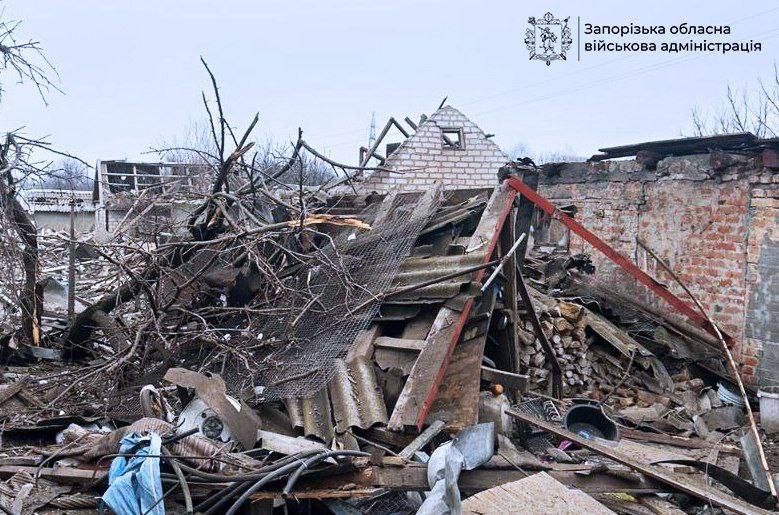
At least 6 killed, 32 injured in Russian attacks on Ukraine over past day
#Russian attacks #Ukraine #casualties #killed #injured #military conflict #civilian harm
📌 Key Takeaways
- At least 6 people were killed in Russian attacks on Ukraine over the past day.
- An additional 32 individuals were injured in the same series of attacks.
- The attacks occurred within a 24-hour period, highlighting ongoing conflict intensity.
- Civilian casualties are reported as a direct result of the military assaults.
📖 Full Retelling
🏷️ Themes
Ukraine conflict, Civilian casualties
📚 Related People & Topics

Ukraine
Country in Eastern Europe
# Ukraine **Ukraine** is a country located in Eastern Europe. It is the second-largest country in Europe by area, after Russia. Known for its extensive fertile plains, the nation serves as a critical global exporter of grain and is considered a middle power in international affairs. ## Geography a...
Entity Intersection Graph
Connections for Ukraine:
Mentioned Entities
Deep Analysis
Why It Matters
This news highlights the ongoing human cost of Russia's invasion of Ukraine, demonstrating that despite international attention waning, daily violence continues to claim civilian lives. It matters because it underscores the failure of current military strategies or diplomatic efforts to protect non-combatants, affecting Ukrainian families, emergency responders, and international aid organizations. The casualties also impact global security perceptions and humanitarian response priorities, reminding world leaders that the conflict remains active and deadly.
Context & Background
- Russia launched a full-scale invasion of Ukraine on February 24, 2022, following eight years of conflict in eastern Ukraine since 2014
- Civilian casualties have been documented throughout the war, with UN reporting over 10,000 killed and nearly 20,000 injured as of early 2024
- Russian attacks have frequently targeted residential areas, energy infrastructure, and civilian facilities despite international laws protecting non-combatants
- Ukraine has relied on Western military aid and air defense systems to intercept attacks, though many missiles and drones still reach their targets
- Previous similar daily casualty reports have influenced international sanctions packages and weapons delivery decisions to Ukraine
What Happens Next
Ukrainian authorities will likely conduct rescue operations and damage assessments while documenting these attacks for potential war crimes investigations. International reactions may include renewed calls for military aid to Ukraine and emergency humanitarian assistance. Russia will probably continue similar attack patterns in coming days unless significant battlefield developments or diplomatic interventions occur. The casualties may influence upcoming NATO and EU discussions about additional support packages for Ukraine's defense and reconstruction needs.
Frequently Asked Questions
Military analysts suggest Russia targets civilian infrastructure to demoralize Ukrainian resistance, disrupt daily life, and overwhelm emergency services. Some attacks may result from imprecise weapons or failed intercepts of military targets near populated areas.
Ukrainian authorities generally provide conservative initial estimates that often increase as rescue operations continue. International organizations like the UN later verify figures through independent monitoring, though warzone access limitations can delay confirmation.
Ukraine operates layered air defense systems provided by Western allies, but cannot intercept all incoming missiles and drones. Civilians rely on early warning systems, shelters, and evacuation protocols, though these offer limited protection against direct hits.
Continued civilian casualties harden Ukraine's negotiating position and make compromise less politically feasible. International mediators view such attacks as undermining trust and creating additional war crimes allegations that complicate diplomatic solutions.
Ukraine's healthcare system treats casualties with support from international medical organizations and field hospitals. Severely injured patients may be evacuated to European hospitals, though medical resources remain strained after two years of conflict.