
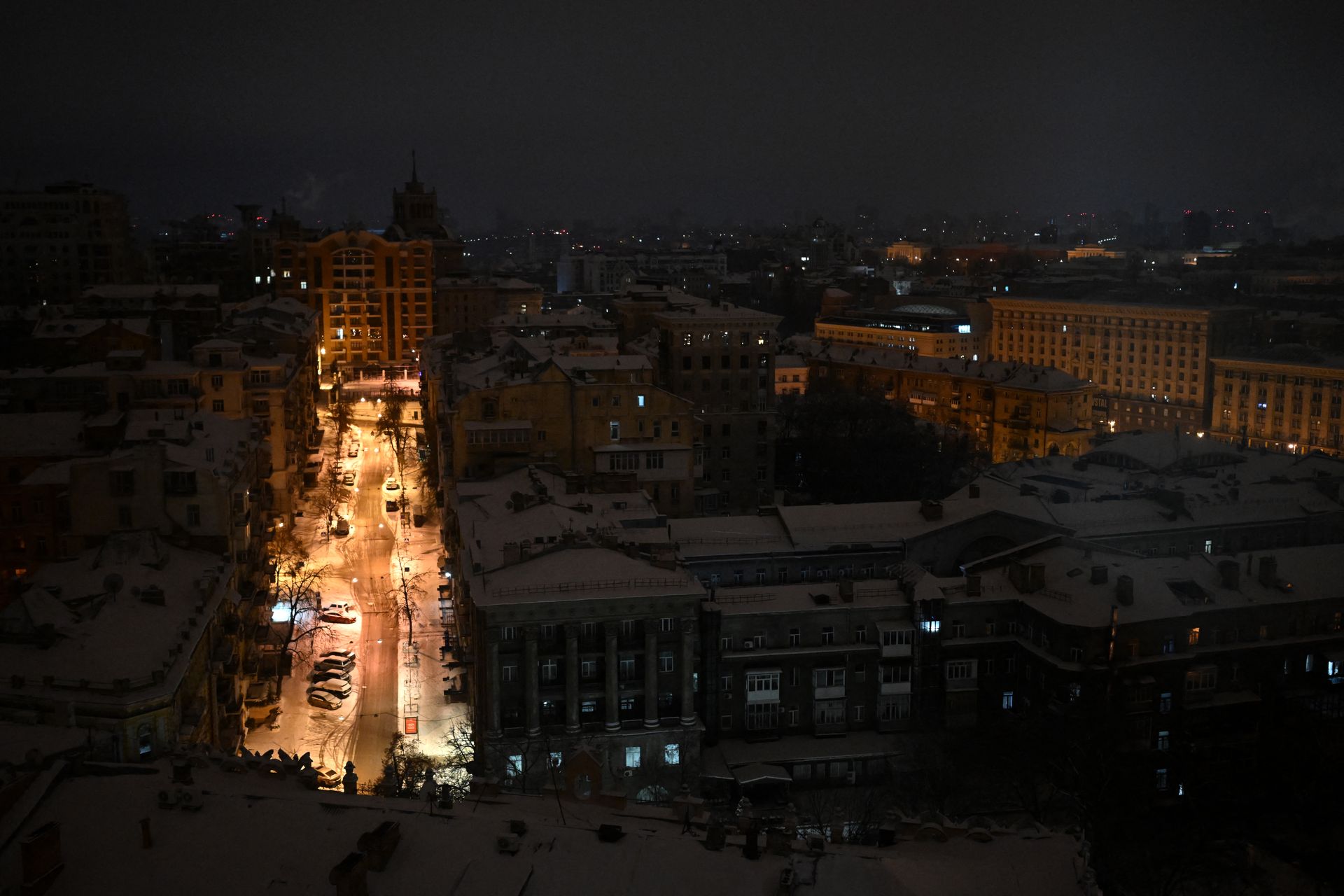
Explosions rock Kyiv, other Ukrainian cities as Russia launches combined ballistic missile and drone attack overnight
#Russia #Ukraine #ballistic missiles #drone attack #Kyiv #overnight assault #air defense
📌 Key Takeaways
- Russia launched a combined ballistic missile and drone attack on multiple Ukrainian cities overnight.
- Explosions were reported in Kyiv and other urban centers across Ukraine.
- The attack represents a significant escalation in Russia's military tactics against Ukraine.
- Ukrainian air defenses were engaged in responding to the widespread assault.
📖 Full Retelling
🏷️ Themes
Military Conflict, Security Crisis
📚 Related People & Topics

Russia
Country in Eastern Europe and North Asia
Russia, or the Russian Federation, is a country in Eastern Europe and North Asia. It is the largest country in the world, spanning eleven time zones and sharing land borders with fourteen countries. With a population of over 140 million, Russia is the most populous country in Europe and the ninth-mo...

Kyiv
Capital of Ukraine
Kyiv, also Kiev, is the capital and most populous city of Ukraine. Located in the north-central part of the country, it straddles both banks of the Dnieper River. As of January 2022, the population of Kyiv was 2,952,301, making it the seventh-most populous city in Europe.

Ukraine
Country in Eastern Europe
# Ukraine **Ukraine** is a country located in Eastern Europe. It is the second-largest country in Europe by area, after Russia. Known for its extensive fertile plains, the nation serves as a critical global exporter of grain and is considered a middle power in international affairs. ## Geography a...
Entity Intersection Graph
Connections for Russia:
Mentioned Entities
Deep Analysis
Why It Matters
This attack represents a significant escalation in Russia's ongoing assault on Ukraine, directly threatening civilian populations and critical infrastructure across multiple cities. The combined use of ballistic missiles and drones demonstrates Russia's evolving military tactics and ability to overwhelm Ukrainian air defenses. This matters to Ukrainian citizens facing daily survival threats, European nations concerned about regional stability, and global observers watching for potential escalation beyond Ukraine's borders. The attack also impacts energy security as Ukraine's power grid remains a frequent target during winter months.
Context & Background
- Russia has conducted regular missile and drone attacks against Ukrainian cities since its full-scale invasion began in February 2022
- Ukraine's air defense capabilities have improved significantly with Western-supplied systems like Patriot missiles, but gaps remain in coverage
- Previous combined attacks have targeted energy infrastructure, attempting to cripple Ukraine's power grid during winter months
- Ballistic missiles are particularly difficult to intercept due to their high speed and trajectory, posing greater threats to protected targets
- These attacks often precede or accompany ground offensives as part of Russia's coordinated military strategy
What Happens Next
Ukraine will likely request additional air defense systems from Western allies at upcoming NATO meetings. Emergency repairs to damaged infrastructure will begin immediately, with potential power outages affecting civilians. Russia may follow with additional attacks in coming days, testing Ukrainian defenses. International condemnation will lead to emergency UN Security Council discussions, though Russian veto power limits actionable outcomes. Ukraine's military may respond with drone strikes on Russian territory or energy facilities.
Frequently Asked Questions
Russia aims to demoralize Ukrainian resistance, disrupt civilian life and economic activity, and stretch Ukrainian air defense resources. These attacks also serve as retaliation for Ukrainian military successes and attempt to pressure Ukraine's government into negotiations on Russian terms.
Ukraine intercepts a significant percentage of incoming threats but cannot stop all missiles and drones, especially ballistic missiles. The effectiveness varies based on weapon types, attack patterns, and availability of advanced Western systems like Patriots in targeted regions.
Russia likely employs Iskander-M short-range ballistic missiles and potentially Kinzhal air-launched ballistic missiles. These weapons travel at hypersonic speeds, making interception challenging even with advanced air defense systems.
Drones like Shahed-136 are slower, cheaper, and used in larger numbers to overwhelm defenses, while missiles are faster, more expensive, and carry larger payloads for critical targets. Russia often uses drones first to exhaust air defenses before launching missiles.
Attacks cause civilian casualties, damage homes and hospitals, disrupt power and water supplies, and force people into shelters. The psychological toll is substantial, with millions living under constant threat of sudden attack.
NATO members provide air defense systems, intelligence sharing, and humanitarian aid while imposing economic sanctions on Russia. Political leaders consistently condemn attacks but avoid direct military intervention to prevent broader conflict escalation.