
How oil jackpot and sanctions failure are funding Russia's war
📖 Full Retelling
As recently as this January and February, Russia was going through its worst fiscal period since the start of the full-scale invasion of Ukraine. Oil and gas budget revenues had fallen by 50% year-on-year, and the deficit for the first two months reached $42 billion. The government was preparing to
Entity Intersection Graph
No entity connections available yet for this article.
Original Source
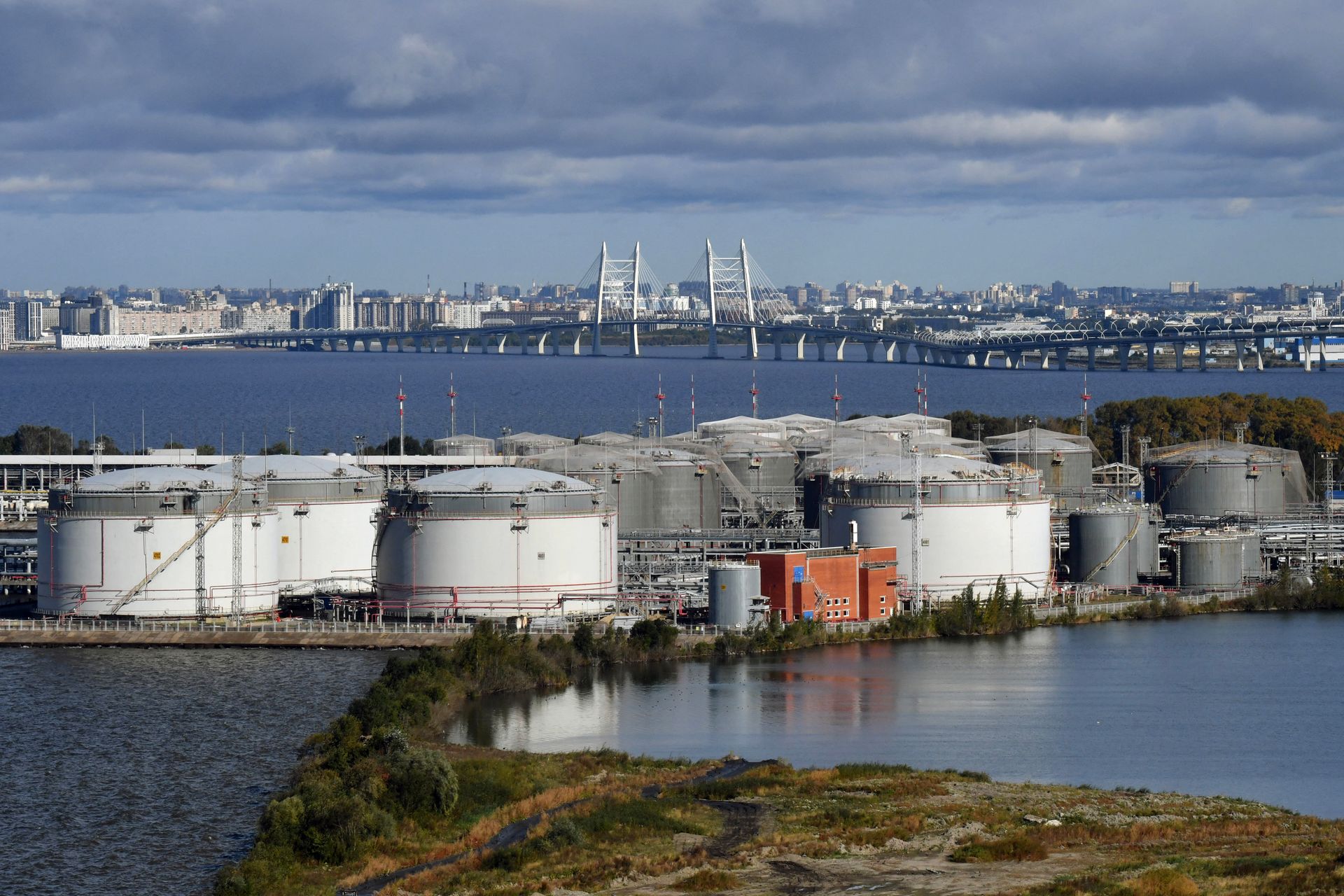
Opinion How oil jackpot and sanctions failure are funding Russia's war by Andrii Sukharyna, Liubov Tsybulska April 6, 2026 8:40 PM 5 min read An oil terminal is pictured in the port with the Petersburg Bridge in the background in Saint Petersburg, Russia, on Sept. 26, 2025. (Olga Maltseva / AFP / Getty Images) Opinion Prefer on Google Andrii Sukharyna Head of analytics of NGO "Join Ukraine" As recently as this January and February, Russia was going through its worst fiscal period since the start of the full-scale invasion of Ukraine. Oil and gas budget revenues had fallen by 50% year-on-year, and the deficit for the first two months reached $42 billion. The government was preparing to slash non-military spending by 10%. It seemed like sanctions were finally working. Then this happened: the United States struck Iran, and the Strait of Hormuz — through which one-fifth of the world's oil passes (and over 30% if you count seaborne transportation alone) — was shut down. Almost simultaneously, the Trump administration issued a waiver allowing India to legally purchase Russian oil . As a result, Russia's average daily oil export revenues doubled — from $135 million in January to $270 million in March. The Kremlin scrapped its planned budget cuts and continued funding the war as if nothing had happened. In the words of a Kremlin insider quoted by The Guardian: "For our budget, the attack on Iran is a big plus." A rather candid admission. Brent surged from $60 per barrel in February to over $112 in March . Urals jumped to $102 on the spot market. For comparison, the G7 and EU price cap at the time stood at $44 . Russia was selling oil at 2.3 times the "maximum allowed" price under the sanctions framework. On March 5, OFAC issued a waiver for India . On March 12, it was extended until April 11. Indian refineries purchased approximately 60 million barrels. U.S. Treasury Secretary Scott Bessent estimated Russia's additional revenue at "no more than $2 billion." Zelensky, in tur...
Read full article at source