
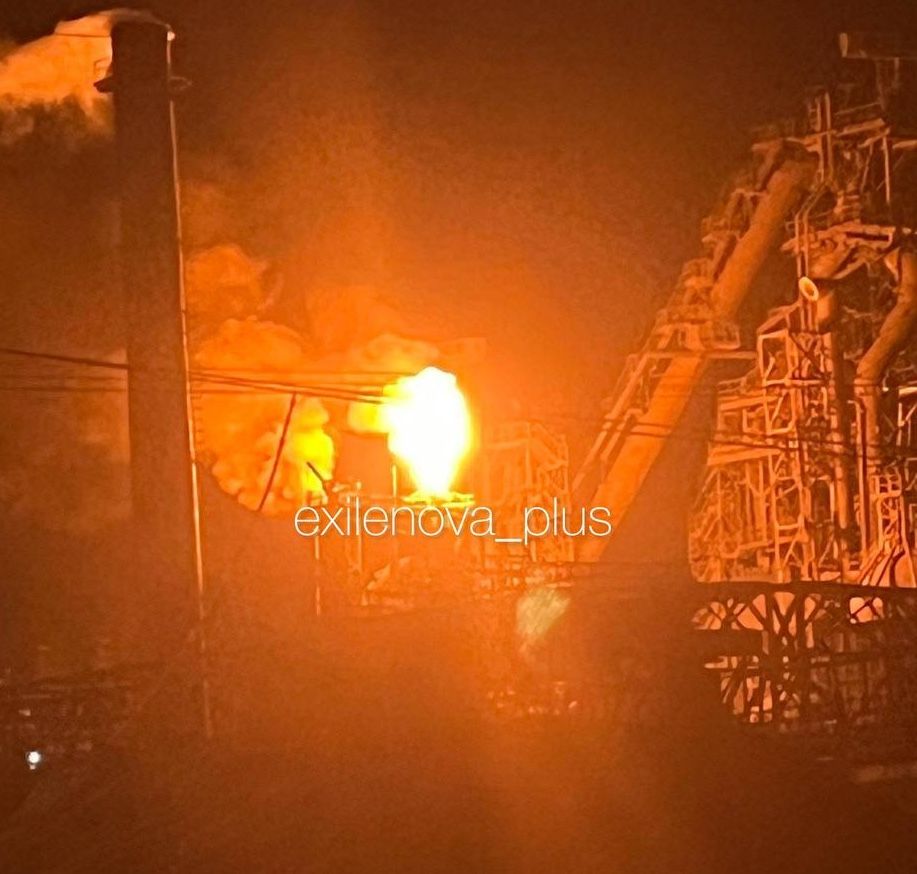
Massive fire reported at Russian metallurgy plant in Tula Oblast
#fire #Russia #metallurgy plant #Tula Oblast #industrial incident
📌 Key Takeaways
- A large-scale fire has broken out at a metallurgy plant in Russia's Tula Oblast.
- The incident is described as massive, indicating significant damage or threat.
- The location is within a key industrial region, potentially impacting local operations.
- No immediate details on casualties, cause, or containment efforts are provided.
📖 Full Retelling
🏷️ Themes
Industrial Accident, Fire Emergency
📚 Related People & Topics

Tula Oblast
First-level administrative division of Russia
Tula Oblast (Russian: Ту́льская о́бласть, romanized: Tulʹskaya oblastʹ) is a federal subject (an oblast) of Russia. It is geographically located in European Russia and is administratively part of the Central Federal District, covering an area of 25,700 square kilometers (9,900 sq mi). It has a popul...
Entity Intersection Graph
No entity connections available yet for this article.
Mentioned Entities
Deep Analysis
Why It Matters
This fire at a Russian metallurgy plant is significant because it disrupts critical industrial production in a key defense manufacturing region, potentially affecting Russia's military supply chains and economic output. It impacts local communities through safety risks, environmental hazards, and potential job disruptions. The incident also raises questions about industrial safety standards and infrastructure maintenance in Russia's strategic industries during wartime conditions.
Context & Background
- Tula Oblast is a major industrial region southwest of Moscow known for metallurgy, machinery, and defense manufacturing
- Russia's metallurgy sector has faced multiple industrial accidents and fires in recent years, including at steel plants and chemical facilities
- The region has historical significance as part of Russia's traditional industrial heartland dating back to Soviet industrialization programs
- Metallurgy plants in Russia have been operating under strain due to sanctions, supply chain disruptions, and increased military production demands
- Industrial safety standards in Russia have been criticized by international observers, with aging infrastructure and regulatory enforcement concerns
What Happens Next
Russian authorities will likely launch an official investigation into the fire's cause while emergency crews work to contain damage and assess structural safety. Production at the plant will be disrupted for weeks or months, potentially requiring alternative sourcing for military and industrial customers. The incident may prompt safety inspections at similar facilities across Russia, and there could be political repercussions if negligence is discovered.
Frequently Asked Questions
While specific details aren't provided, Tula Oblast hosts various metallurgical facilities including steel plants, non-ferrous metal production, and specialized alloys manufacturing. These plants often produce materials for both civilian and military applications.
Metallurgy plants supply essential materials for weapons manufacturing, so disruptions could temporarily affect production timelines for armored vehicles, artillery, and other military equipment. Russia may need to redirect resources or increase imports to compensate.
Russia has experienced numerous industrial fires in recent years, with factors including aging infrastructure, inadequate maintenance, safety protocol violations, and sometimes suspected sabotage in conflict-related contexts.
Metallurgy plant fires can release toxic fumes, heavy metals, and particulate matter, creating air pollution hazards for nearby communities. Contaminated water runoff from firefighting efforts may also affect local water sources.
The plant closure will affect workers' incomes and local businesses dependent on the facility. Longer-term impacts depend on reconstruction timelines and whether production capacity is permanently reduced.