
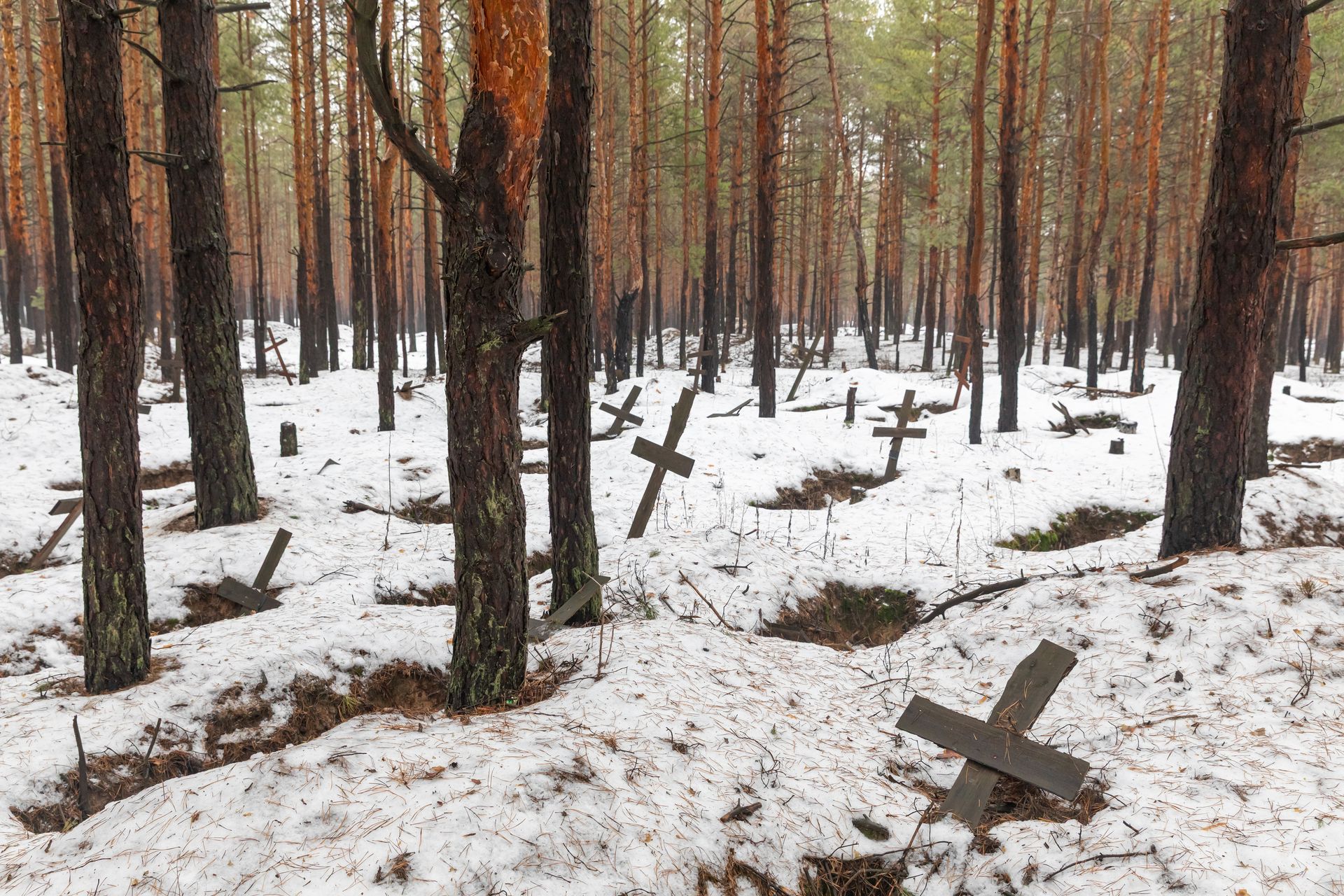
'Murders for sake of Russian propaganda' — Ukraine identifies 13 collaborators accused of war crimes in Izium
#Ukraine #Izium #war crimes #collaborators #Russian propaganda #murders #conflict
📌 Key Takeaways
- Ukraine has identified 13 collaborators accused of war crimes in Izium
- The crimes are described as 'murders for the sake of Russian propaganda'
- The individuals are accused of collaborating with Russian forces
- The case highlights alleged atrocities and propaganda use during the conflict
📖 Full Retelling
🏷️ Themes
War Crimes, Collaboration
Entity Intersection Graph
No entity connections available yet for this article.
Deep Analysis
Why It Matters
This news matters because it represents Ukraine's ongoing efforts to hold collaborators accountable for war crimes during Russian occupation, which is crucial for establishing justice and deterring future atrocities. It affects the families of victims seeking closure, Ukrainian society rebuilding after occupation, and international legal bodies monitoring war crimes prosecutions. The identification of specific individuals accused of participating in murders for propaganda purposes highlights the systematic nature of alleged crimes and Ukraine's determination to pursue accountability through legal channels.
Context & Background
- Izium was occupied by Russian forces from April to September 2022 during Russia's full-scale invasion of Ukraine
- Ukrainian authorities have been documenting alleged war crimes in liberated territories since their recapture, with mass graves discovered in Izium containing hundreds of bodies
- Collaboration with occupying forces is criminalized under Ukrainian law, with previous cases resulting in treason charges and prison sentences
- Russia has consistently denied allegations of war crimes and accused Ukraine of staging evidence for propaganda purposes
- The International Criminal Court has issued arrest warrants for Russian officials including Vladimir Putin for alleged war crimes in Ukraine
What Happens Next
Ukrainian prosecutors will likely file formal charges against the identified individuals, with trials expected to begin within months. If convicted, the collaborators face potential prison sentences under Ukrainian criminal law. International human rights organizations will monitor the proceedings for adherence to fair trial standards. Russia will likely dismiss the accusations as politically motivated, while Ukraine may seek international arrest warrants if any suspects have fled the country.
Frequently Asked Questions
They are accused of participating in murders specifically for Russian propaganda purposes, suggesting killings were staged or documented to create narratives supporting Russia's military objectives. The exact details will emerge during legal proceedings, but such accusations typically involve direct participation in unlawful killings or assisting occupying forces in committing atrocities.
Ukraine uses intelligence gathering, witness testimony, and digital evidence to identify collaborators, then prosecutes them under national laws criminalizing cooperation with occupying forces. The Security Service of Ukraine (SBU) typically leads investigations, with cases heard in Ukrainian courts where defendants face charges including treason and war crimes.
Ukraine will likely issue arrest warrants and attempt to secure their extradition, though Russia almost certainly won't comply. Ukraine may try them in absentia, resulting in convictions that would allow for their arrest if they ever enter Ukrainian or cooperating countries' territory. International arrest warrants through Interpol are another possible avenue.
These cases represent the domestic prosecution component of broader accountability efforts, complementing International Criminal Court investigations targeting Russian leadership. They demonstrate Ukraine's capacity to conduct complex war crimes investigations while establishing legal precedents for holding collaborators accountable under national law.
Evidence includes intercepted communications, social media posts, witness identifications, photographic/video documentation, financial records showing payments from occupying forces, and forensic evidence linking individuals to specific crime scenes. Ukrainian authorities have collected substantial documentation during and after occupation periods.