
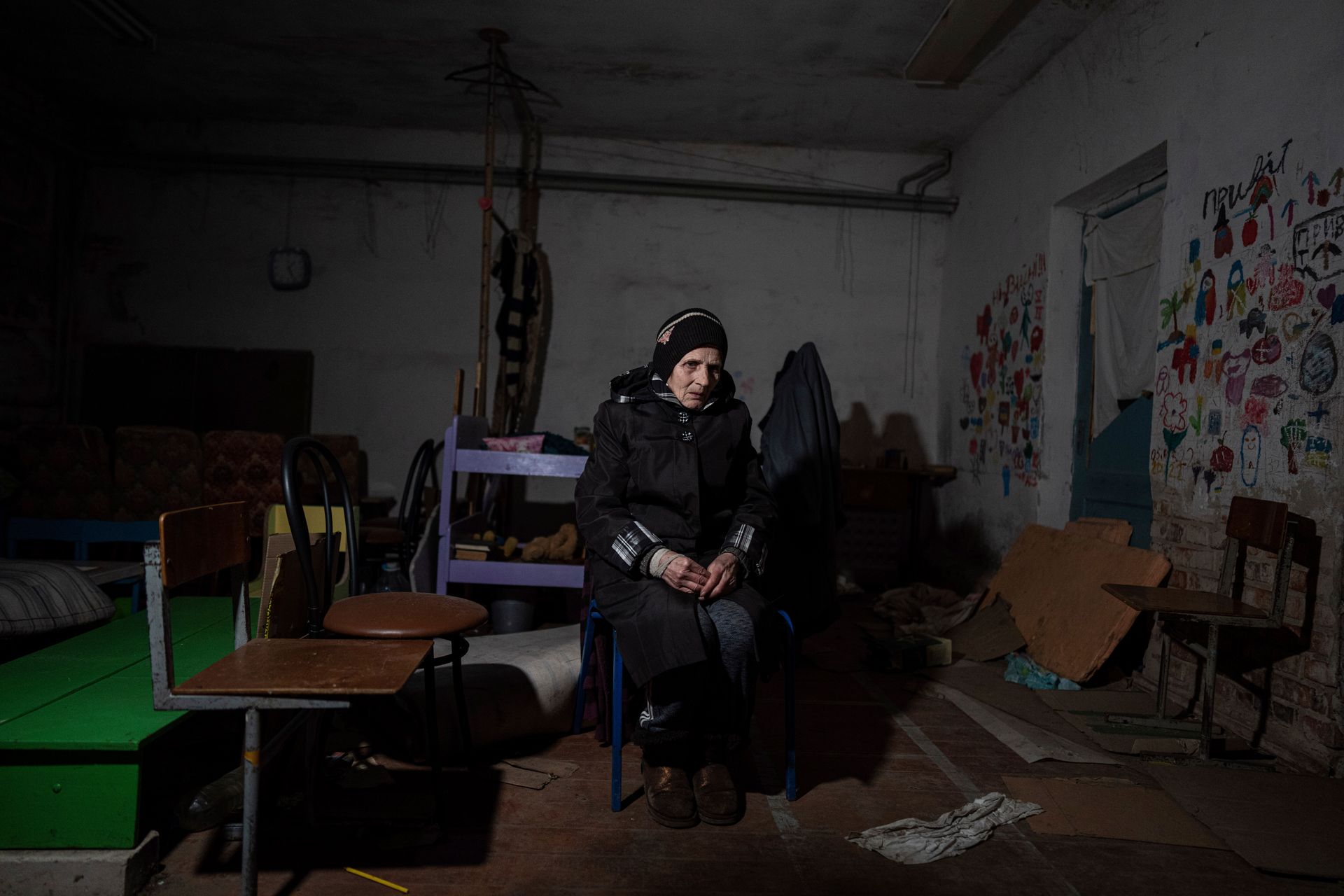
'No one thought we would get out alive' — the audioguide memorializing one village's Russian occupation
#audioguide #Russian occupation #village #memorial #civilian accounts #Ukraine #historical record
📌 Key Takeaways
- An audioguide has been created to memorialize a village's experience under Russian occupation.
- The project captures firsthand accounts of residents who feared for their lives during the occupation.
- It serves as a historical record and educational tool about the impact of the conflict on civilians.
- The initiative highlights local efforts to preserve memory and document wartime atrocities.
📖 Full Retelling
🏷️ Themes
War memorialization, Civilian experience
📚 Related People & Topics
Russian-occupied territories
Ongoing military occupations by Russia since 1991
The Russian Federation is currently occupying territories in whole or in part within Moldova, Georgia, and Ukraine. Although the status of these territories may vary in Russian law, they are all widely regarded among the international community as being under military occupation. Russia disputes the...

Ukraine
Country in Eastern Europe
# Ukraine **Ukraine** is a country located in Eastern Europe. It is the second-largest country in Europe by area, after Russia. Known for its extensive fertile plains, the nation serves as a critical global exporter of grain and is considered a middle power in international affairs. ## Geography a...
Entity Intersection Graph
Connections for Russian-occupied territories:
Mentioned Entities
Deep Analysis
Why It Matters
This news matters because it documents the human experience of occupation during wartime, preserving individual testimonies that might otherwise be lost. It affects survivors of occupation who need their stories recorded, historians studying the conflict, and the broader international community understanding the war's human toll. The memorialization serves as both historical record and potential evidence of wartime conduct, while helping communities process trauma through documentation.
Context & Background
- Russia's full-scale invasion of Ukraine began in February 2022, leading to occupation of numerous Ukrainian territories
- Occupied villages often experienced human rights abuses including arbitrary detention, forced disappearances, and restrictions on movement
- Documentation of occupation experiences has become crucial for historical preservation and potential war crimes investigations
- Similar oral history projects have emerged in conflict zones worldwide to preserve civilian perspectives often missing from official narratives
What Happens Next
The audioguide will likely be expanded to include more testimonies from other affected villages, potentially becoming part of museum exhibitions or educational programs. International human rights organizations may use these recordings as supplementary evidence in documenting war crimes. Similar documentation projects will probably emerge in other conflict zones as this model demonstrates effective grassroots historical preservation.
Frequently Asked Questions
The audioguide preserves firsthand accounts of occupation experiences that might otherwise be lost, serving as both historical documentation and a memorial to those who suffered. It helps communities process trauma by giving voice to their experiences while educating others about the realities of wartime occupation.
Unlike traditional journalism that often focuses on military developments, this grassroots documentation centers civilian experiences in their own words. It provides unfiltered personal narratives that capture the psychological and emotional dimensions of occupation that mainstream reporting might overlook.
Yes, such testimonies could potentially serve as evidence in war crimes investigations or international court proceedings. While not collected as formal legal evidence, they document patterns of behavior and specific incidents that could support broader investigations into violations of international humanitarian law.
Documenting one village's story in depth provides concrete, relatable human-scale understanding of occupation that statistics cannot convey. This micro-history approach makes the larger conflict more comprehensible while honoring the specific experiences that might be lost in broader narratives about the war.