
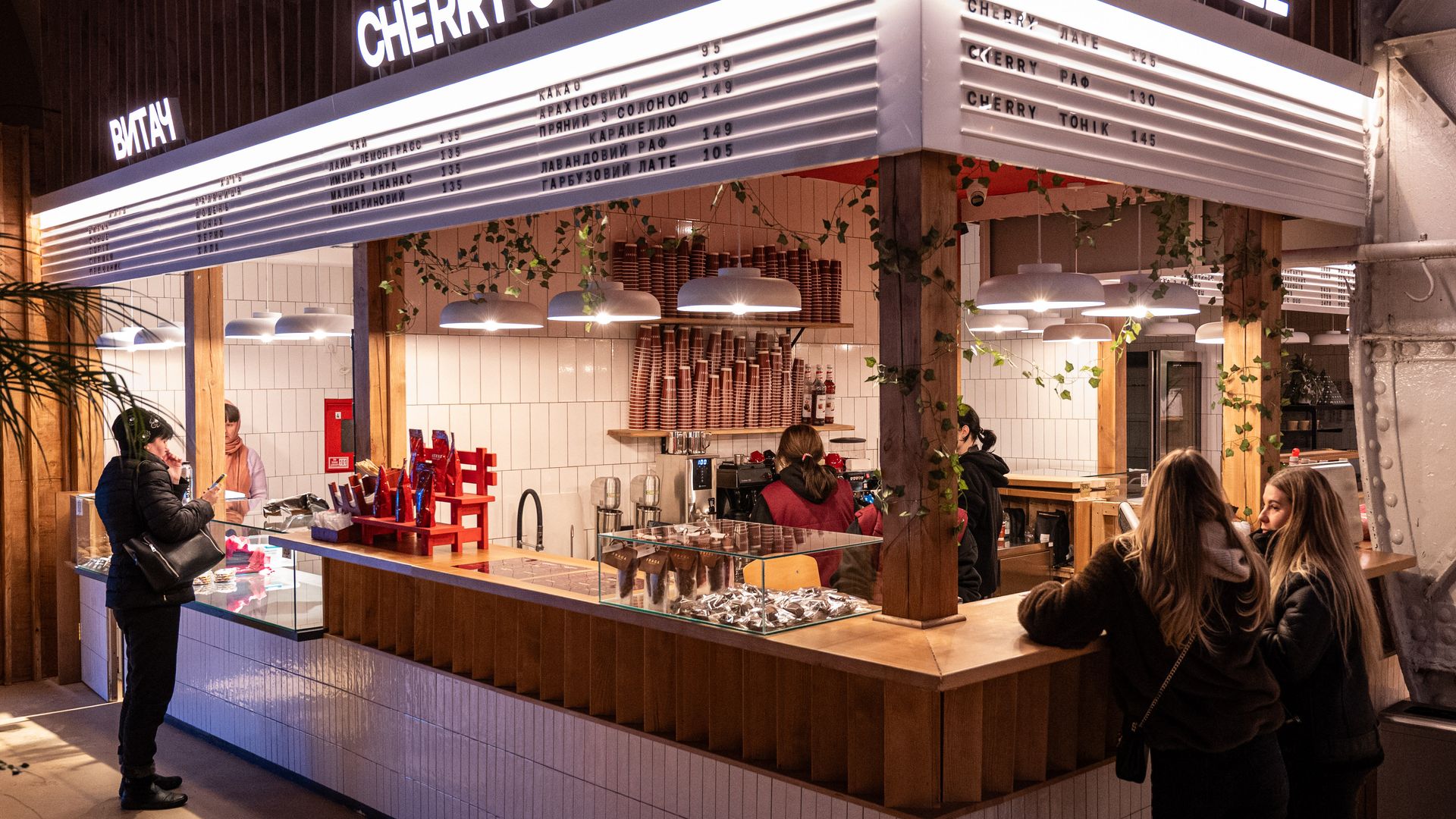
One battle after another: Kyiv's historic markets lose ground to trendy food halls
#Kyiv #historic markets #food halls #urban development #cultural preservation #consumer trends #local economy
📌 Key Takeaways
- Historic markets in Kyiv are facing decline due to competition from modern food halls.
- Traditional market culture and vendors are being displaced by trendy, upscale alternatives.
- This shift reflects broader urban changes and evolving consumer preferences in Kyiv.
- The transformation raises concerns about preserving cultural heritage and local economies.
📖 Full Retelling
🏷️ Themes
Urban Change, Cultural Heritage
📚 Related People & Topics

Kyiv
Capital of Ukraine
Kyiv, also Kiev, is the capital and most populous city of Ukraine. Located in the north-central part of the country, it straddles both banks of the Dnieper River. As of January 2022, the population of Kyiv was 2,952,301, making it the seventh-most populous city in Europe.
Entity Intersection Graph
Connections for Kyiv:
Mentioned Entities
Deep Analysis
Why It Matters
This news matters because it highlights the cultural and economic transformation occurring in Kyiv as traditional markets, which have served communities for generations, are being displaced by modern food halls. This affects local vendors, small business owners, and residents who rely on these markets for affordable goods and social interaction. The shift reflects broader trends of urbanization and gentrification, potentially altering the city's character and accessibility for different socioeconomic groups.
Context & Background
- Kyiv's historic markets, such as the Besarabsky Market, have been central to the city's commerce and culture since the 19th century, often surviving through Soviet-era changes.
- Traditional markets in Ukraine have long been hubs for fresh, local produce and artisanal goods, playing a key role in the informal economy and community life.
- In recent years, global trends toward food halls and upscale dining experiences have influenced urban development in post-Soviet cities, driven by investment and changing consumer preferences.
What Happens Next
In the coming months, more historic markets may face closure or renovation pressures as developers and city planners prioritize modern amenities. Public debates and potential protests could arise over preserving cultural heritage versus economic development. If trends continue, Kyiv might see a hybrid model emerge, blending traditional elements with modern food hall concepts to appeal to diverse audiences.
Frequently Asked Questions
Traditional markets are losing ground due to factors like rising rents, changing consumer habits favoring convenience and trendy experiences, and investment in modern developments that attract tourists and younger demographics. This shift is often driven by economic pressures and urban renewal projects.
Local vendors may face displacement or financial hardship as they lose affordable spaces, impacting livelihoods and access to local goods. Communities can experience a loss of cultural identity and social cohesion, with traditional gathering spots replaced by more commercialized venues.
Yes, preservation efforts include advocacy by cultural heritage groups, petitions, and proposals for adaptive reuse that maintain market functions while integrating modern elements. However, these face challenges from economic interests and regulatory hurdles.
Trendy food halls offer curated dining experiences, diverse cuisine options, and modern amenities that appeal to tourists and urban professionals. They can boost local economies through higher spending and create new job opportunities in hospitality and retail sectors.