
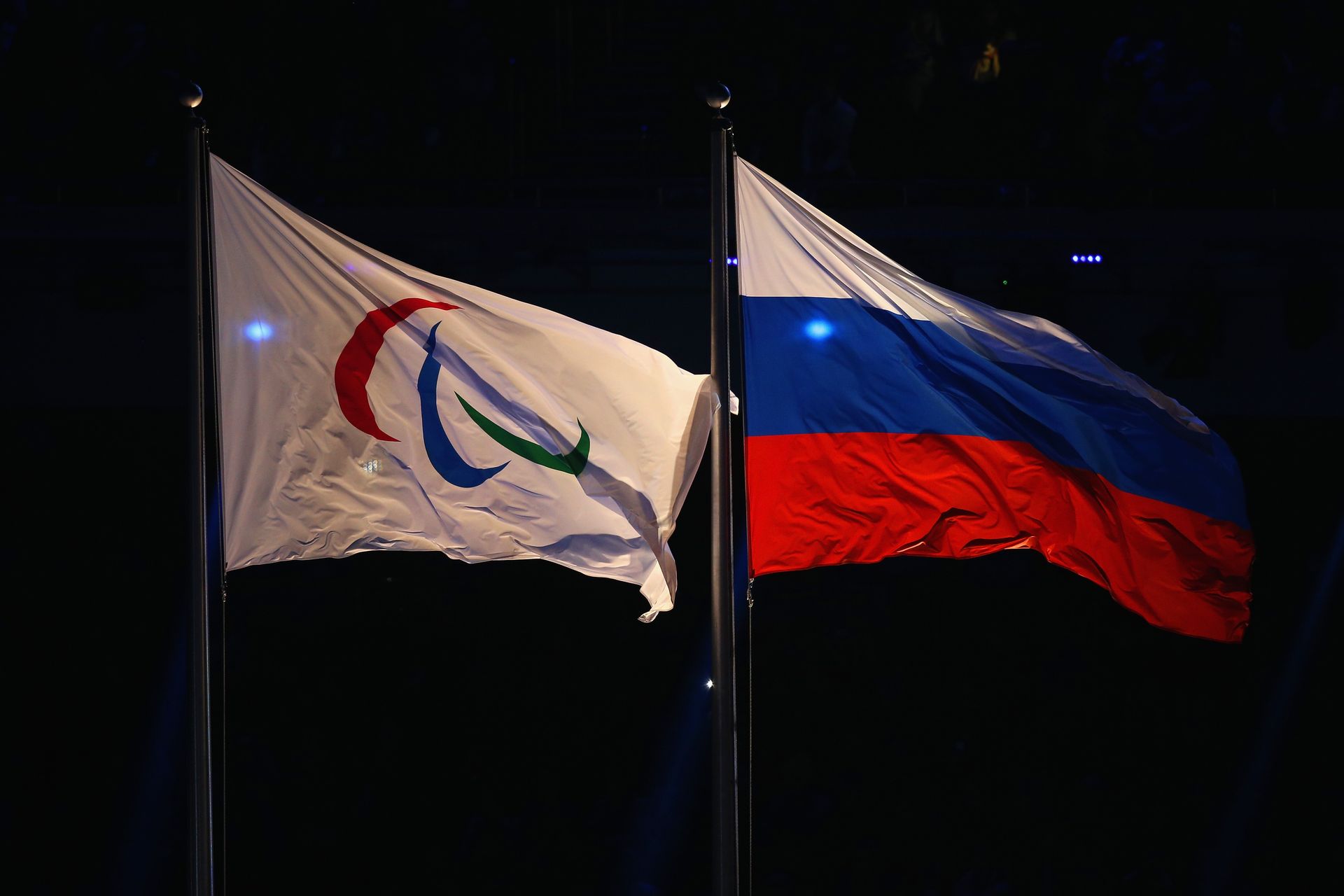
Paralympic chief says injured Russian soldiers should be allowed to compete at future Games
#Paralympic Games #Russian soldiers #injured athletes #military inclusion #sports eligibility #international conflict #disability sports #IPC
📌 Key Takeaways
- Paralympic chief advocates for allowing injured Russian soldiers to compete in future Paralympic Games.
- The statement highlights inclusion of military personnel with disabilities from conflict zones.
- It raises questions about eligibility criteria and neutrality in international sports.
- The proposal may spark debate on geopolitical tensions affecting athletic participation.
📖 Full Retelling
🏷️ Themes
Paralympic Inclusion, Geopolitical Sports
📚 Related People & Topics

Paralympic Games
Major international sport event for people with disabilities
The Paralympic Games or Paralympics is a periodic series of international multisport events involving athletes with a range of disabilities. There are Winter and Summer Paralympic Games, which since the 1988 Summer Olympics in Seoul, South Korea, have been held shortly after the corresponding Olympi...
Entity Intersection Graph
Connections for Paralympic Games:
Mentioned Entities
Deep Analysis
Why It Matters
This statement matters because it addresses the contentious issue of Russian athletes' participation in international sports amid the ongoing Ukraine conflict. It affects Paralympic athletes, particularly those injured in military service, who face potential exclusion from global competitions. The debate impacts international sports governance, geopolitical tensions, and the principle of separating sports from politics. It also raises ethical questions about inclusivity versus sanctions in response to military actions.
Context & Background
- The International Paralympic Committee (IPC) has previously banned Russian athletes from the 2022 Paralympic Winter Games in Beijing due to Russia's invasion of Ukraine.
- Russian athletes have competed as neutrals in some events under the 'Russian Paralympic Committee' banner, without national symbols, due to doping and geopolitical sanctions.
- The Paralympic movement emphasizes inclusivity and rehabilitation through sports, often involving veterans and injured military personnel globally.
- International sports bodies like the IOC and IPC have faced pressure to maintain bans on Russian athletes as part of broader sanctions against Russia.
What Happens Next
The IPC will likely face formal discussions or votes on this proposal in upcoming meetings, possibly ahead of the 2026 Paralympic Winter Games in Milan-Cortina. Sports federations may review their neutrality policies, and geopolitical developments in Ukraine could influence decisions. There may be increased advocacy from veteran groups and pushback from nations opposing Russian participation.
Frequently Asked Questions
Russian athletes are restricted due to the International Paralympic Committee's ban in response to Russia's invasion of Ukraine, aimed at aligning sports with geopolitical sanctions. They have been allowed to compete as neutrals in some events under strict conditions, without national flags or anthems.
Injured soldiers, including veterans, often use Paralympic sports for rehabilitation and reintegration. Excluding them could limit their recovery opportunities and access to international competition, raising debates about punishing individuals for government actions.
Supporters argue for inclusivity, separating athletes from politics, and supporting rehabilitation for injured personnel. Opponents cite the need for sanctions against Russia, moral responsibility, and solidarity with Ukraine amid ongoing conflict.
Yes, the IPC's stance could influence other sports bodies like the IOC, potentially easing restrictions on Russian athletes in events such as the Olympics. It may also affect how sanctions are applied in future geopolitical crises.