
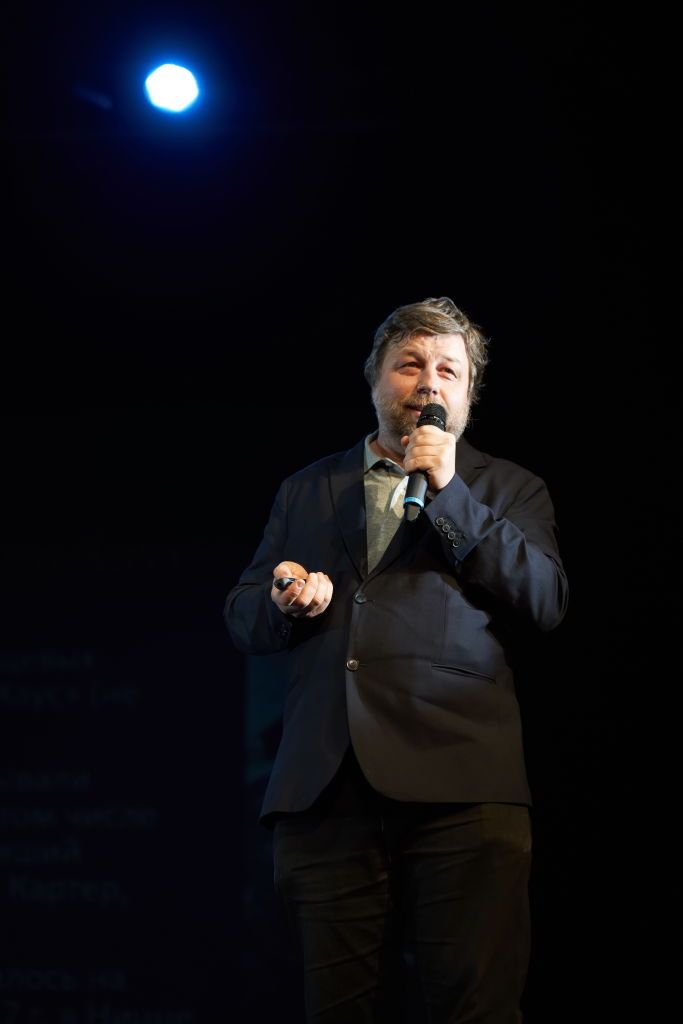
Poland approves Russian archaeologist's extradition to Ukraine over work in occupied Crimea
📖 Full Retelling
Ukrainian authorities say that his excavations in occupied Crimea caused Ukraine damages exceeding 200 million UAH ($4.5 million).
Entity Intersection Graph
No entity connections available yet for this article.
Original Source
Culture Poland approves Russian archaeologist's extradition to Ukraine over work in occupied Crimea March 18, 2026 6:47 pm • 2 min read Prefer on Google by Kate Tsurkan A Polish court has approved the extradition of Russian archaeologist Alexander Butyagin to Ukraine, following his detention for carrying out illegal excavations in Russian-occupied Crimea. Butyagin, who had been traveling through Poland after delivering a lecture in the Netherlands, was arrested in mid-December at Ukraine’s request. Ukrainian authorities say that his excavations caused Ukraine damages exceeding 200 million hryvnias ($4.5 million). The Polish court's decision does not mean that Butyagin will immediately be extradited to Ukraine. His lawyer has said that they plan to appeal the decision. Since 1999, Butyagin, an archaeologist with the Russian state Hermitage Museum, has been leading excavations at the site of the ancient Greek city of Myrmekion, located in Crimea. Until the illegal annexation of Crimea in 2014, Russian archaeologists working at the site operated with permission from the Ukrainian government. After Crimea was occupied, Butyagin continued to work with permission from Russian authorities. Become a member – go ad‑free In an interview with the BBC's Russian-language service published in early March, Butyagin claimed that he continued his work because "political changes should not affect scientific research or hinder scholars. Scientific work, including archaeological excavations, is conducted not in the interests of a specific country or political group, but in the interests of global science." He also denied allegations that he and other Russian archaeologists were removing cultural artifacts during the excavations and sending them to Russia, asserting that "one must be consistent" and that if Ukraine does not acknowledge Crimea as part of Russia, then "what matters is the physical location of the items," since they remain in a museum on the peninsula. However, the act of ...
Read full article at source