
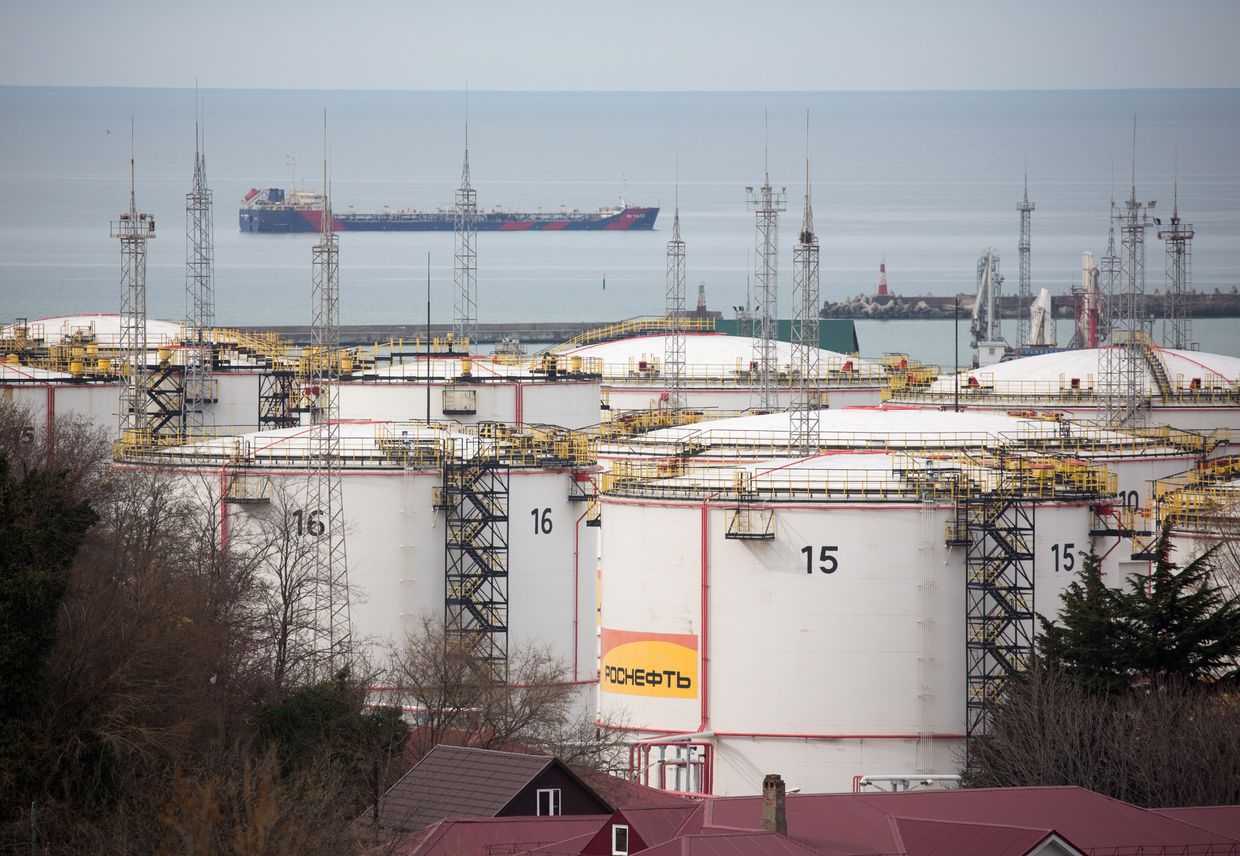
Russia earns additional 6 billion euros in fossil fuel revenue as oil prices soar amid US-Iran war, analysis finds
#Russia #fossil fuel revenue #oil prices #US-Iran war #geopolitical analysis #energy exports #economic impact
📌 Key Takeaways
- Russia gained an extra 6 billion euros from fossil fuel sales due to rising oil prices.
- The revenue increase is linked to the US-Iran conflict driving up global oil prices.
- Analysis highlights Russia's economic benefit from geopolitical tensions affecting energy markets.
- The findings underscore how regional conflicts can boost revenues for major oil exporters.
📖 Full Retelling
🏷️ Themes
Geopolitics, Energy Markets
Entity Intersection Graph
No entity connections available yet for this article.
Deep Analysis
Why It Matters
This news matters because it reveals how geopolitical conflicts can unexpectedly benefit certain nations economically, potentially altering global power dynamics. Russia's windfall from soaring oil prices during the US-Iran conflict strengthens its financial position despite international sanctions, giving it more leverage in global affairs. This affects energy markets worldwide, potentially leading to higher fuel costs for consumers and businesses. The situation also impacts diplomatic relations, as Russia gains resources that could fund its military operations or economic initiatives while Western nations face economic pressures.
Context & Background
- Russia is one of the world's largest oil and gas exporters, with energy revenues traditionally accounting for a significant portion of its federal budget
- The US and Iran have had tense relations since the 1979 Iranian Revolution, with recent conflicts potentially involving proxy warfare or direct military engagements
- Global oil prices are highly sensitive to Middle Eastern conflicts due to the region's substantial oil production and strategic shipping routes
- Western nations have imposed multiple rounds of sanctions on Russia since its 2022 invasion of Ukraine, attempting to limit its energy revenue
- Previous Middle East conflicts (like the Gulf Wars) have typically caused oil price spikes of 20-50% within weeks of major escalations
What Happens Next
Oil prices will likely remain volatile as the US-Iran conflict develops, with potential for further increases if critical infrastructure like the Strait of Hormuz is threatened. Russia may use additional revenue to bolster its military capabilities or economic resilience against sanctions. The EU and US could consider additional measures to limit Russia's energy revenue, potentially through stricter price caps or secondary sanctions. Energy-importing nations may accelerate renewable energy investments to reduce dependence on volatile fossil fuel markets.
Frequently Asked Questions
Conflicts in the Middle East typically drive oil prices higher due to supply disruption fears and increased risk premiums. As Iran is a major oil producer and the region contains critical shipping routes, any conflict creates uncertainty that traders price into oil markets.
Russia is among the world's top three oil producers and exporters, so higher prices directly increase its national revenue. This occurs even when its production volumes remain stable, as each barrel sold generates more income.
Yes, increased revenue could undermine sanctions effectiveness by giving Russia more financial resources. This might prompt Western nations to tighten existing sanctions or implement new measures targeting Russia's ability to profit from energy exports.
European nations face dual pressures: higher energy costs due to increased oil prices, and potential supply concerns if the conflict disrupts global markets. This could accelerate Europe's transition to renewable energy and diversification of suppliers.
Similar patterns occurred during the 1973 oil crisis, 1990 Gulf War, and 2011 Arab Spring, where Middle East conflicts caused oil price spikes that benefited other major producers like Russia and Saudi Arabia.