
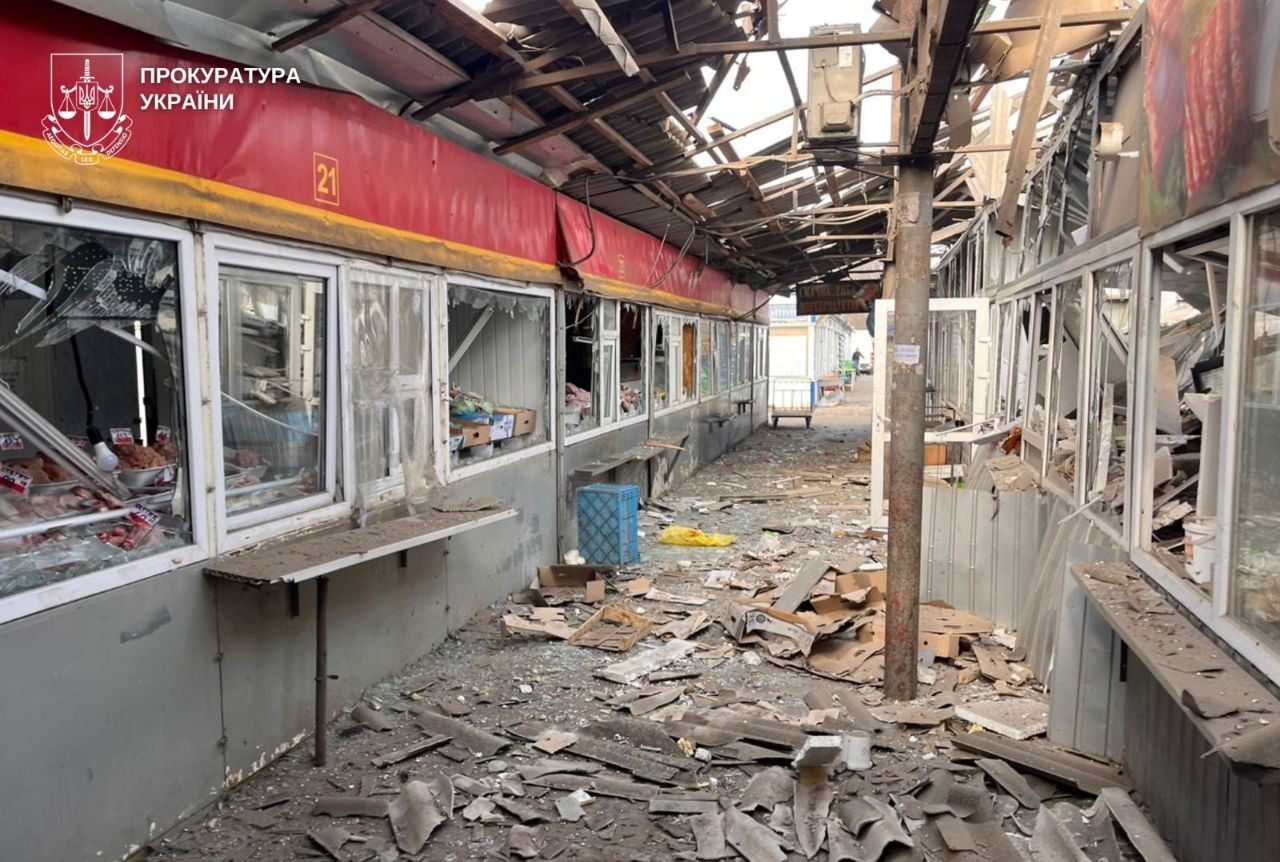
Russia increases attacks on civilians, killing 16 and injuring 86 more
#Russia #attacks #civilians #casualties #humanitarian crisis #conflict #international law
📌 Key Takeaways
- Russia intensified attacks on civilian targets, resulting in 16 deaths.
- An additional 86 civilians were injured in the recent escalation of violence.
- The attacks mark a significant increase in civilian casualties in the conflict.
- The assaults highlight ongoing humanitarian concerns and violations of international law.
📖 Full Retelling
🏷️ Themes
Military aggression, Civilian casualties
📚 Related People & Topics

Russia
Country in Eastern Europe and North Asia
Russia, or the Russian Federation, is a country in Eastern Europe and North Asia. It is the largest country in the world, spanning eleven time zones and sharing land borders with fourteen countries. With a population of over 140 million, Russia is the most populous country in Europe and the ninth-mo...
Entity Intersection Graph
Connections for Russia:
Mentioned Entities
Deep Analysis
Why It Matters
This escalation of attacks on civilians represents a serious violation of international humanitarian law and war crimes conventions, directly threatening innocent lives and creating humanitarian crises. It affects Ukrainian civilians who face daily terror, international organizations attempting to deliver aid, and global security structures that must respond to these violations. The deliberate targeting of non-combatants undermines basic human rights protections and could signal a dangerous shift in Russia's military tactics, potentially normalizing such attacks in future conflicts worldwide.
Context & Background
- Russia's full-scale invasion of Ukraine began in February 2022, following eight years of conflict in eastern Ukraine since 2014
- International humanitarian law, including the Geneva Conventions, explicitly prohibits attacks on civilians and requires distinction between military targets and civilian populations
- Previous documented attacks on civilian infrastructure include the Mariupol theater bombing (March 2022), Kramatorsk railway station attack (April 2022), and repeated strikes on residential areas throughout the conflict
What Happens Next
International bodies like the UN and ICC will likely intensify investigations into potential war crimes, with possible new sanctions against Russian officials. Ukraine will request more advanced air defense systems from Western allies, while humanitarian organizations will face increased challenges delivering aid to affected regions. The attacks may influence upcoming international summits and diplomatic efforts, potentially hardening Western positions in peace negotiations.
Frequently Asked Questions
Military analysts suggest several possible motivations: to terrorize populations and undermine Ukrainian morale, to pressure the Ukrainian government into concessions, or as indiscriminate attacks resulting from inaccurate weapons or poor targeting intelligence. Some experts also point to potential strategic calculations about weakening civilian support for the war effort.
The International Criminal Court has already issued arrest warrants for Russian officials for alleged war crimes, and these new attacks could lead to additional charges. Individual countries may pursue universal jurisdiction cases, while the UN could establish special tribunals. However, enforcement remains challenging without Russia's cooperation with international bodies.
Western nations have provided increasingly sophisticated air defense systems like Patriot batteries and have imposed extensive economic sanctions. The EU has established a war crimes documentation center, while the US has created a special unit to collect evidence of atrocities. Military support continues to evolve based on battlefield developments and civilian protection needs.
The Geneva Conventions and Additional Protocols establish fundamental protections: civilians must never be targeted, attacks must distinguish between military and civilian objects, and proportionality must be maintained. The principle of distinction requires combatants to separate themselves from civilian populations, while the principle of proportionality prohibits attacks expected to cause excessive civilian harm relative to military advantage.