
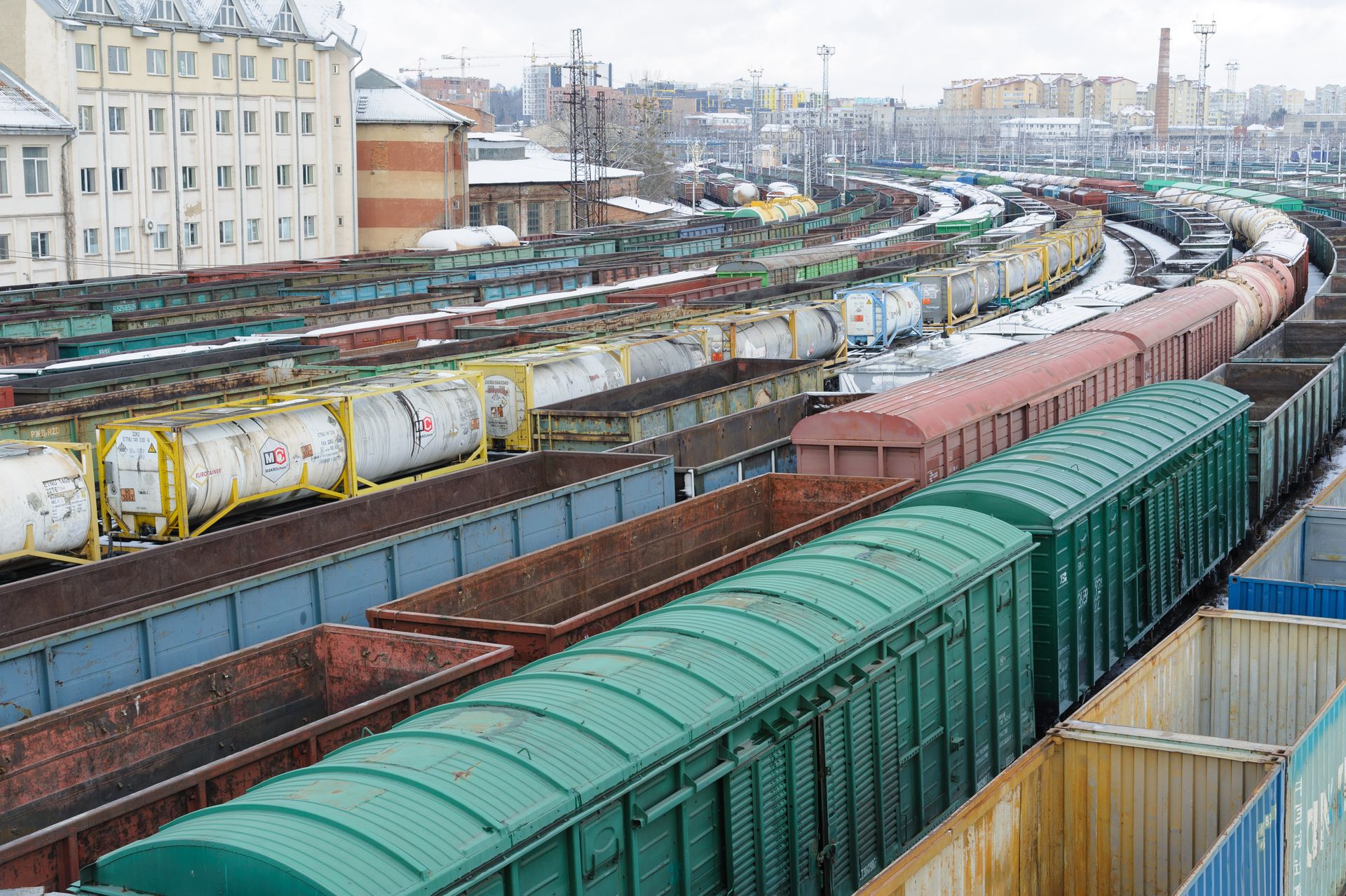
Russian drone strikes Ukrainian train with 200 passengers on board
#Russia #Ukraine #drone strike #train attack #civilian casualties #war #transport #passengers
📌 Key Takeaways
- A Russian drone attacked a Ukrainian train carrying 200 passengers.
- The incident highlights ongoing military aggression in the conflict.
- Civilian infrastructure and transport are being targeted in the war.
- The attack raises concerns about civilian safety and casualties.
📖 Full Retelling
🏷️ Themes
Military Conflict, Civilian Safety
📚 Related People & Topics

Russia
Country in Eastern Europe and North Asia
Russia, or the Russian Federation, is a country in Eastern Europe and North Asia. It is the largest country in the world, spanning eleven time zones and sharing land borders with fourteen countries. With a population of over 140 million, Russia is the most populous country in Europe and the ninth-mo...

Ukraine
Country in Eastern Europe
# Ukraine **Ukraine** is a country located in Eastern Europe. It is the second-largest country in Europe by area, after Russia. Known for its extensive fertile plains, the nation serves as a critical global exporter of grain and is considered a middle power in international affairs. ## Geography a...
Entity Intersection Graph
Connections for Russia:
Mentioned Entities
Deep Analysis
Why It Matters
This attack represents a significant escalation in targeting civilian infrastructure and transportation, directly endangering non-combatants and violating international humanitarian law. It affects Ukrainian civilians who rely on rail transport for evacuation, humanitarian aid delivery, and daily survival during the conflict. The incident demonstrates Russia's willingness to target clearly marked civilian vehicles, potentially deterring future evacuation efforts and humanitarian corridors. International observers and human rights organizations will likely scrutinize this as a potential war crime with implications for future accountability proceedings.
Context & Background
- Rail infrastructure has been systematically targeted throughout the Russia-Ukraine war, with both sides accusing each other of attacking civilian trains and stations
- Previous notable incidents include the April 2022 Kramatorsk railway station attack that killed over 50 civilians waiting for evacuation trains
- Ukraine's rail system has served as a critical lifeline for evacuations from conflict zones and delivery of humanitarian aid since the invasion began in February 2022
- International humanitarian law, including the Geneva Conventions, prohibits attacks on civilian transportation unless it's being used for military purposes
- Russia has previously claimed Ukrainian military uses civilian rail transport for troop and equipment movements, though these claims are disputed by independent observers
What Happens Next
Ukrainian authorities will likely conduct rescue operations and investigate the attack while documenting evidence for potential war crimes tribunals. International bodies including the UN and OSCE may demand access to investigate the incident. Russia will probably deny targeting civilians or claim the train was transporting military personnel or equipment. The attack may lead to further restrictions on civilian rail travel in conflict zones and increased security measures at Ukrainian train stations.
Frequently Asked Questions
Russia may claim the train was transporting military personnel or equipment, though such claims are often disputed. Alternatively, it could be part of a strategy to disrupt Ukrainian civilian infrastructure and transportation networks to create psychological pressure and logistical challenges.
Attacking civilian transportation without clear military justification violates international humanitarian law and could constitute a war crime. Such incidents are typically investigated by international bodies and may lead to sanctions or prosecution through mechanisms like the International Criminal Court.
Such attacks create fear among civilians considering evacuation via rail, potentially trapping vulnerable populations in conflict zones. Humanitarian organizations may need to reassess the safety of rail-based evacuation corridors and consider alternative transportation methods.
Under international law, civilian trains are protected from attack unless they are being used for military purposes. Trains should be clearly marked as civilian, and attacks require positive identification of military targets, though these protections are often violated in modern conflicts.
Rail infrastructure has been frequently targeted by both sides, with hundreds of incidents reported since the invasion began. Ukraine's rail system has been particularly vulnerable as it serves both civilian and military logistical needs throughout the country.