
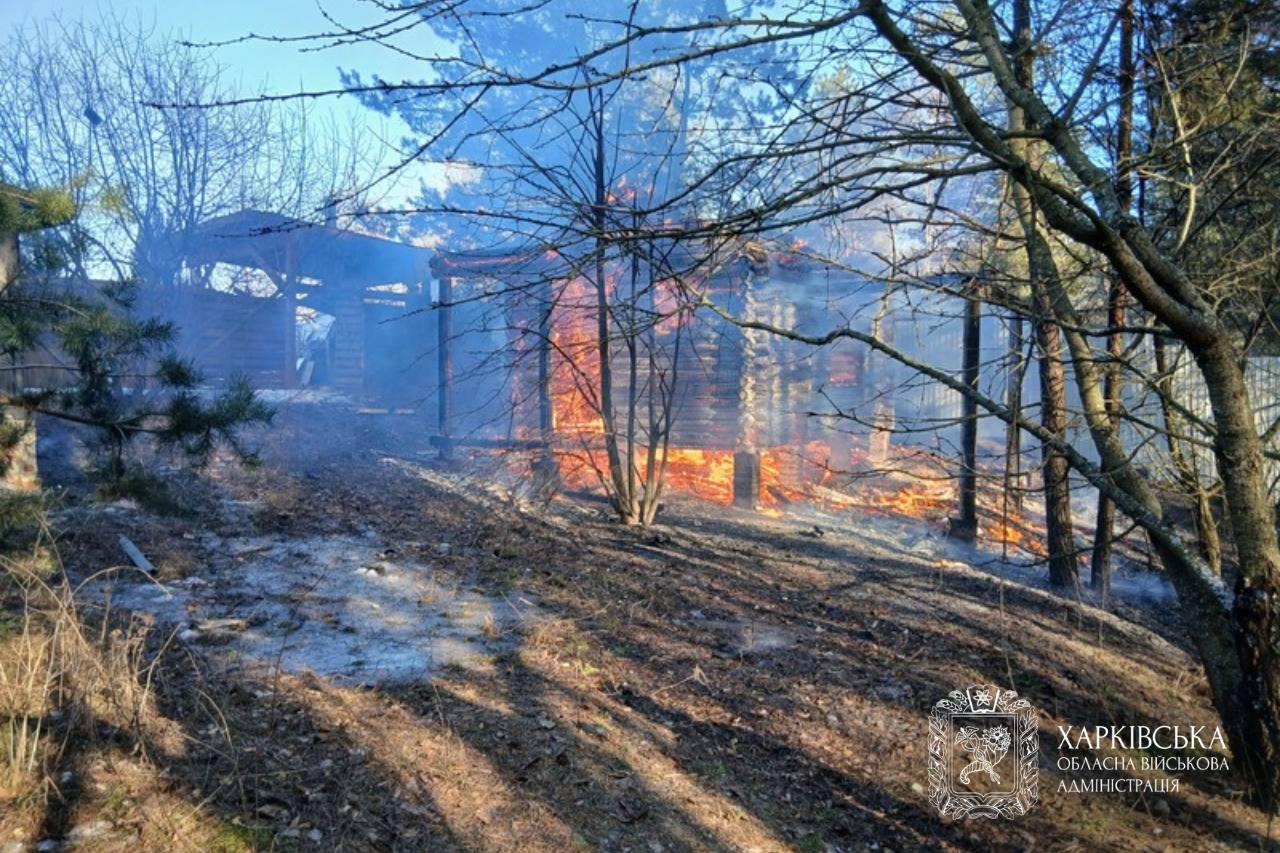
Russian strikes on Ukraine kill 5, injure 47 over past day
#Russia #Ukraine #strikes #casualties #war #civilian deaths #military attacks #humanitarian crisis
📌 Key Takeaways
- Russian strikes in Ukraine resulted in 5 fatalities and 47 injuries over a 24-hour period.
- The attacks targeted multiple locations across Ukraine, causing significant civilian casualties.
- The ongoing conflict continues to escalate with daily reports of military strikes and casualties.
- The incident underscores the severe humanitarian impact of the war on Ukraine's population.
📖 Full Retelling
🏷️ Themes
War Casualties, Military Conflict
Entity Intersection Graph
No entity connections available yet for this article.
Deep Analysis
Why It Matters
This ongoing violence demonstrates Russia's continued military aggression against Ukraine despite international condemnation, directly impacting Ukrainian civilians who face daily threats to their lives and infrastructure. The casualties highlight the human cost of the war, affecting families, healthcare systems, and communities across Ukraine. This escalation matters globally as it threatens regional stability, tests international alliances supporting Ukraine, and could influence future geopolitical alignments and security policies worldwide.
Context & Background
- Russia launched a full-scale invasion of Ukraine on February 24, 2022, following eight years of conflict in eastern Ukraine that began with Russia's annexation of Crimea in 2014
- The war has caused Europe's largest refugee crisis since WWII, with over 6 million Ukrainians displaced internally and millions more fleeing abroad
- International sanctions against Russia are among the most extensive in modern history, targeting its economy, energy sector, and political leadership
- Ukraine has received substantial military and humanitarian aid from Western allies, though debates continue about the scope and duration of this support
- Previous peace negotiations have repeatedly stalled over issues including territorial sovereignty, security guarantees, and Russia's occupation of Ukrainian regions
What Happens Next
Ukraine will likely request additional air defense systems and military aid from Western partners at upcoming NATO meetings in July. Russia may intensify strikes ahead of Ukraine's Constitution Day on June 28 or the NATO summit. The UN Security Council will probably convene emergency discussions about civilian protection, though Russian veto power limits actionable outcomes. Ukraine's reconstruction conferences in Berlin and Washington this fall will address humanitarian needs and damage assessment from such attacks.
Frequently Asked Questions
Military analysts suggest Russia targets civilian infrastructure to demoralize Ukrainian resistance, disrupt daily life, and overwhelm repair capabilities. These attacks may also represent failed precision strikes or intentional terror tactics to pressure Ukrainian leadership.
Ukraine's air defenses intercept many missiles and drones but face challenges against combined attacks using different weapon types. Western-supplied systems like Patriots have improved interception rates, but coverage gaps remain, especially for cheaper drones and gliding bombs.
Local emergency services provide immediate medical response while organizations like the Red Cross distribute supplies. UN agencies coordinate longer-term aid, though access remains difficult in frontline regions due to security risks and Russian obstruction.
Civilian casualties harden Ukraine's negotiating position and increase public opposition to territorial concessions. International condemnation following such strikes typically reduces diplomatic openings, though backchannel communications may continue discreetly.
International legal experts state attacks targeting civilians or disproportionate strikes violate the Geneva Conventions. The International Criminal Court has issued arrest warrants for Russian officials for alleged war crimes, though enforcement remains challenging during active conflict.