
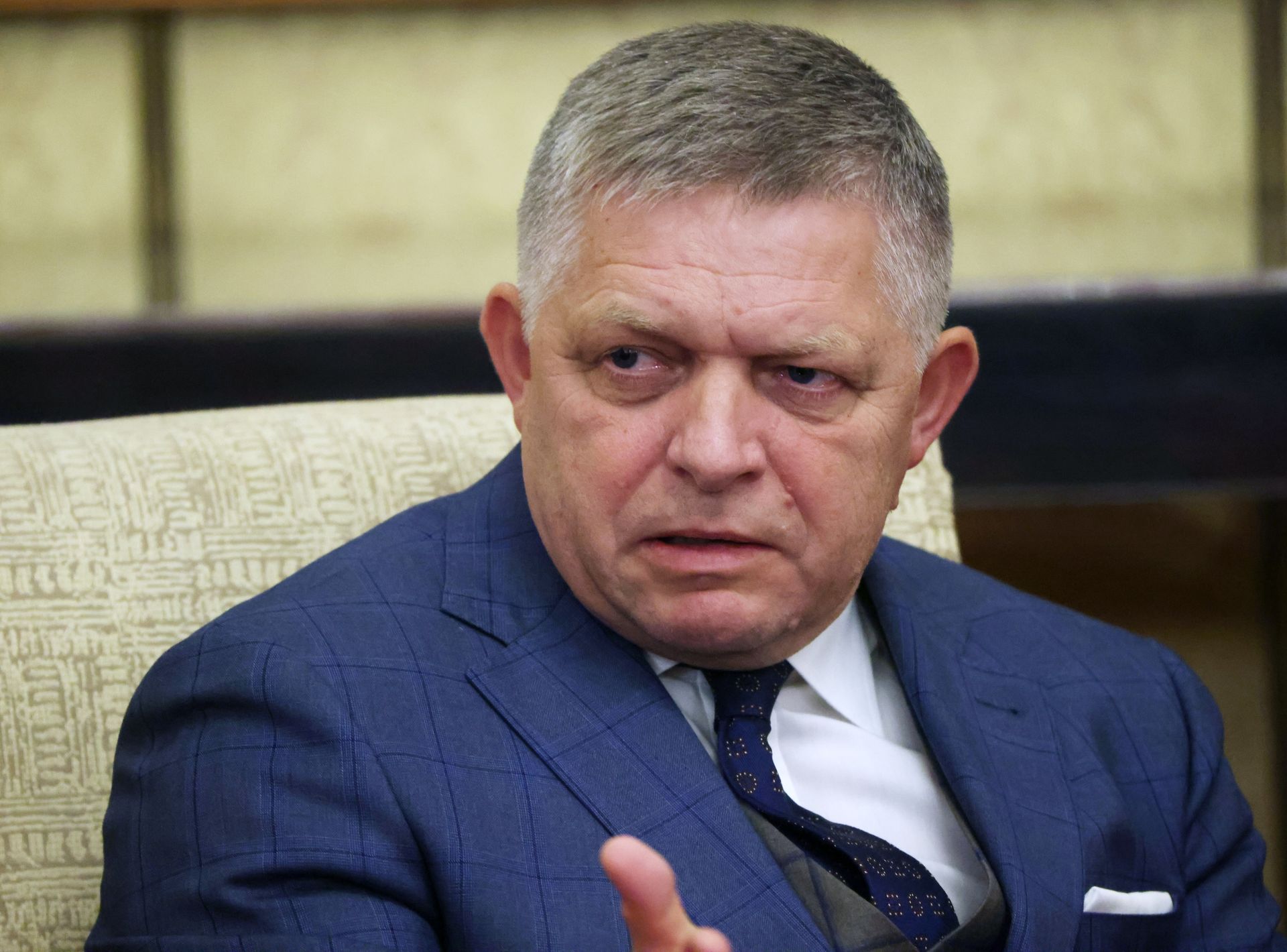
Slovakia to block EU loan Ukraine if Orban loses Hungarian election, Fico says
#Slovakia #Robert Fico #EU loan #Ukraine #Viktor Orban #Hungarian election #block
📌 Key Takeaways
- Slovak Prime Minister Robert Fico threatens to block a proposed EU loan to Ukraine if Hungarian PM Viktor Orban loses the upcoming election.
- Fico's statement links Slovakia's support for Ukraine aid to the political survival of Hungary's leader.
- The threat highlights potential fractures in EU unity over continued financial support for Ukraine.
- This move could complicate EU efforts to secure stable, long-term funding for Ukraine's reconstruction and defense.
📖 Full Retelling
🏷️ Themes
EU Politics, Ukraine Aid
Entity Intersection Graph
No entity connections available yet for this article.
Deep Analysis
Why It Matters
This news is important because it highlights how internal politics within EU member states can directly impact bloc-wide support for Ukraine amid its war with Russia. It affects Ukraine's financial stability, as EU loans are crucial for its defense and reconstruction efforts, and it underscores the fragility of EU unity on foreign policy. Slovak Prime Minister Robert Fico's statement signals potential shifts in Central European alliances and could embolden other skeptical voices within the EU regarding aid to Ukraine.
Context & Background
- Slovakia, under Prime Minister Robert Fico, has taken a more Russia-skeptical but Ukraine-cautious stance since his 2023 election, halting military aid to Ukraine in 2024.
- Hungarian Prime Minister Viktor Orban has repeatedly blocked or delayed EU financial and military support for Ukraine, citing concerns over corruption and ethnic Hungarian rights.
- The EU has provided billions in financial assistance to Ukraine since Russia's 2022 invasion, including loans and grants, with decisions often requiring unanimity among member states.
- Fico and Orban have aligned on various issues, including opposition to EU migration policies and skepticism toward further Ukraine aid, reflecting a broader populist trend in Central Europe.
What Happens Next
If Orban loses Hungary's upcoming election (expected by 2026), Slovakia may follow through on blocking the EU loan, potentially delaying or reducing Ukraine's funding. This could lead to increased diplomatic tensions within the EU, with other members like Germany and France pushing for alternative funding mechanisms. The situation may also influence EU reform discussions on foreign policy decision-making to avoid single-country vetoes.
Frequently Asked Questions
Fico's statement suggests a political alignment with Orban's skeptical stance on Ukraine aid; if Orban loses, Fico may see himself as leading opposition to such support within the EU, possibly to appeal to domestic voters or assert Slovakia's influence.
Any delay or reduction in EU financial assistance could strain Ukraine's budget, impacting its ability to fund military operations, pay salaries, and rebuild infrastructure, potentially weakening its resistance against Russia.
If unanimity is required, bypassing a veto is difficult, but the EU could explore alternative funding methods, such as bilateral agreements between member states and Ukraine or using majority-vote mechanisms for certain types of aid.
This highlights ongoing divisions within the EU on foreign policy, particularly regarding Russia and Ukraine, and may prompt calls for reforming decision-making processes to prevent single countries from blocking critical support.