
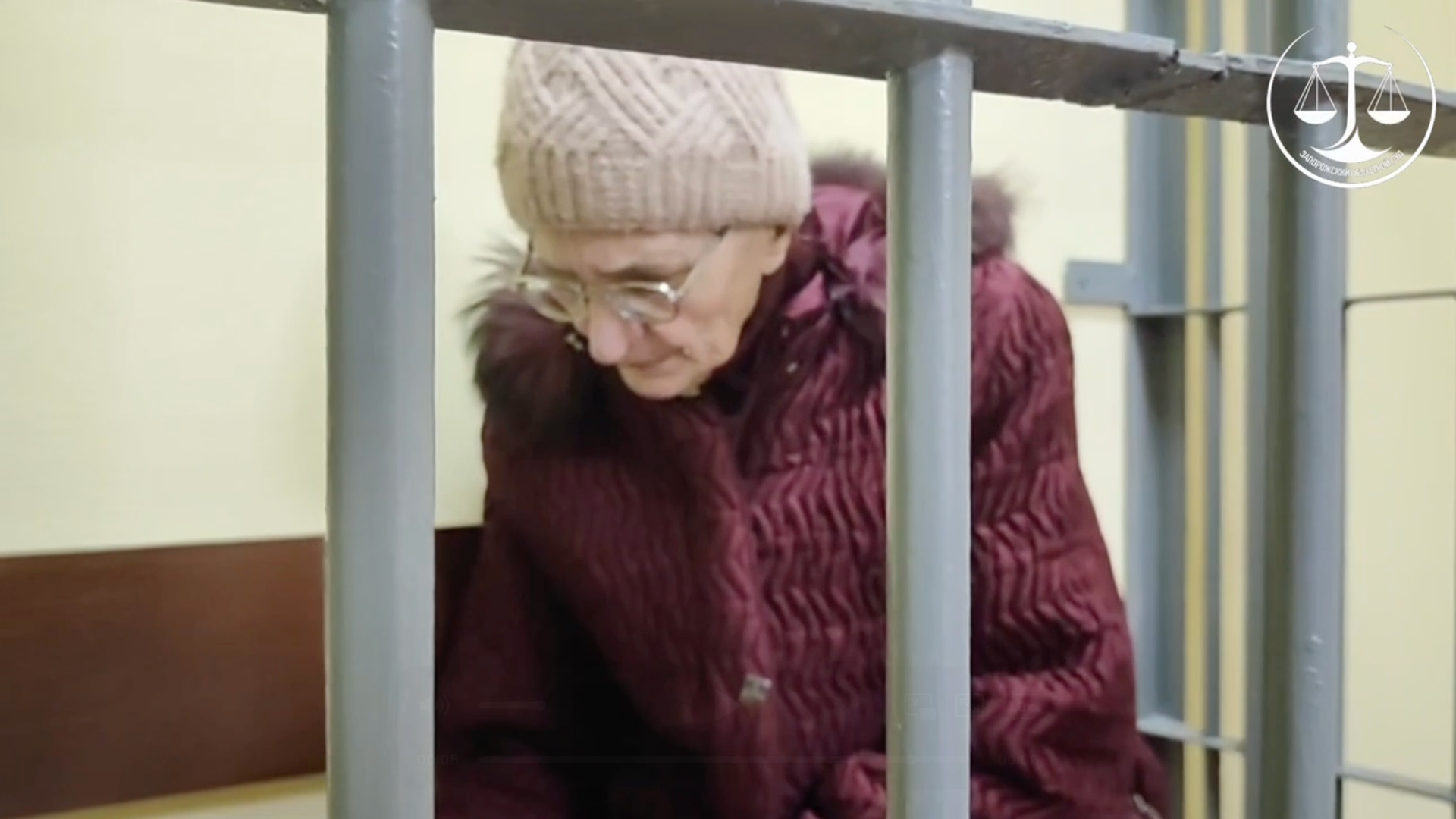
'Terror against civilians' — Russian occupation court jails 69-year-old woman for donating to Ukrainian army
#Russian occupation #Ukraine #court sentencing #civilian donation #terror charges #human rights #armed conflict
📌 Key Takeaways
- A 69-year-old woman was sentenced by a Russian occupation court in Ukraine for donating to the Ukrainian army.
- The court labeled her actions as 'terror against civilians' under Russian-imposed laws.
- The case highlights the criminalization of support for Ukraine in Russian-occupied territories.
- It reflects broader patterns of repression and intimidation against civilians under occupation.
📖 Full Retelling
🏷️ Themes
Occupation Justice, Civilian Repression
📚 Related People & Topics

Ukraine
Country in Eastern Europe
# Ukraine **Ukraine** is a country located in Eastern Europe. It is the second-largest country in Europe by area, after Russia. Known for its extensive fertile plains, the nation serves as a critical global exporter of grain and is considered a middle power in international affairs. ## Geography a...
Russian-occupied territories
Ongoing military occupations by Russia since 1991
The Russian Federation is currently occupying territories in whole or in part within Moldova, Georgia, and Ukraine. Although the status of these territories may vary in Russian law, they are all widely regarded among the international community as being under military occupation. Russia disputes the...
Entity Intersection Graph
Connections for Ukraine:
Mentioned Entities
Deep Analysis
Why It Matters
This case demonstrates how Russian occupation authorities are using legal systems to criminalize basic expressions of Ukrainian patriotism, creating a chilling effect on civilian support for Ukraine's military. It affects elderly civilians living under occupation who face severe punishment for actions considered normal in free Ukraine, and highlights the weaponization of courts to suppress dissent. The labeling of humanitarian support as 'terrorism' represents a dangerous expansion of repressive tactics that could affect millions in occupied territories.
Context & Background
- Russia has established parallel judicial systems in occupied Ukrainian territories since 2014 in Crimea and since 2022 in other regions
- International law prohibits occupying powers from imposing their legal systems on occupied populations, though Russia routinely violates this
- Previous cases show occupation courts sentencing Ukrainians for 'treason' for actions like displaying Ukrainian flags or criticizing occupation
- Russia's 'anti-terrorism' laws have been expanded to criminalize support for Ukrainian military forces
- Ukrainian civilians in occupied territories face systematic pressure to adopt Russian citizenship and renounce Ukrainian identity
What Happens Next
International human rights organizations will likely condemn this verdict and call for the woman's release, though Russian authorities will ignore these appeals. Similar cases will continue in occupied territories as Russia consolidates control through judicial repression. Ukraine's government may add this case to war crimes documentation for future international tribunals. The woman may face transfer to a Russian prison facility, making family contact and legal appeals more difficult.
Frequently Asked Questions
She donated money to support the Ukrainian army, which Russian occupation authorities classified as 'financing terrorist activities' under their imposed legal framework. The specific amount and method of donation weren't detailed in available reports.
International humanitarian law considers such proceedings illegitimate since occupying powers cannot impose their legal systems on occupied populations. The Fourth Geneva Convention specifically protects civilians from prosecution for loyalty to their own country.
Reports indicate she received a prison sentence, though the exact length wasn't specified in the brief article. Similar cases have resulted in sentences ranging from several years to over a decade in Russian prisons.
Ukraine can raise the case diplomatically and through international courts, but has no direct access to occupation zone judicial systems. International organizations can document the case as potential war crimes but lack enforcement mechanisms in Russian-controlled territories.
The prosecution serves multiple purposes: deterring other civilians from supporting Ukraine, justifying occupation through fabricated 'security' narratives, and testing international reactions to increasingly severe repression tactics.
Yes, Russian occupation courts have prosecuted numerous Ukrainians for 'treason,' 'terrorism,' or 'extremism' for actions ranging from social media posts to humanitarian aid. Elderly defendants are particularly targeted to demonstrate that no one is exempt from repression.