
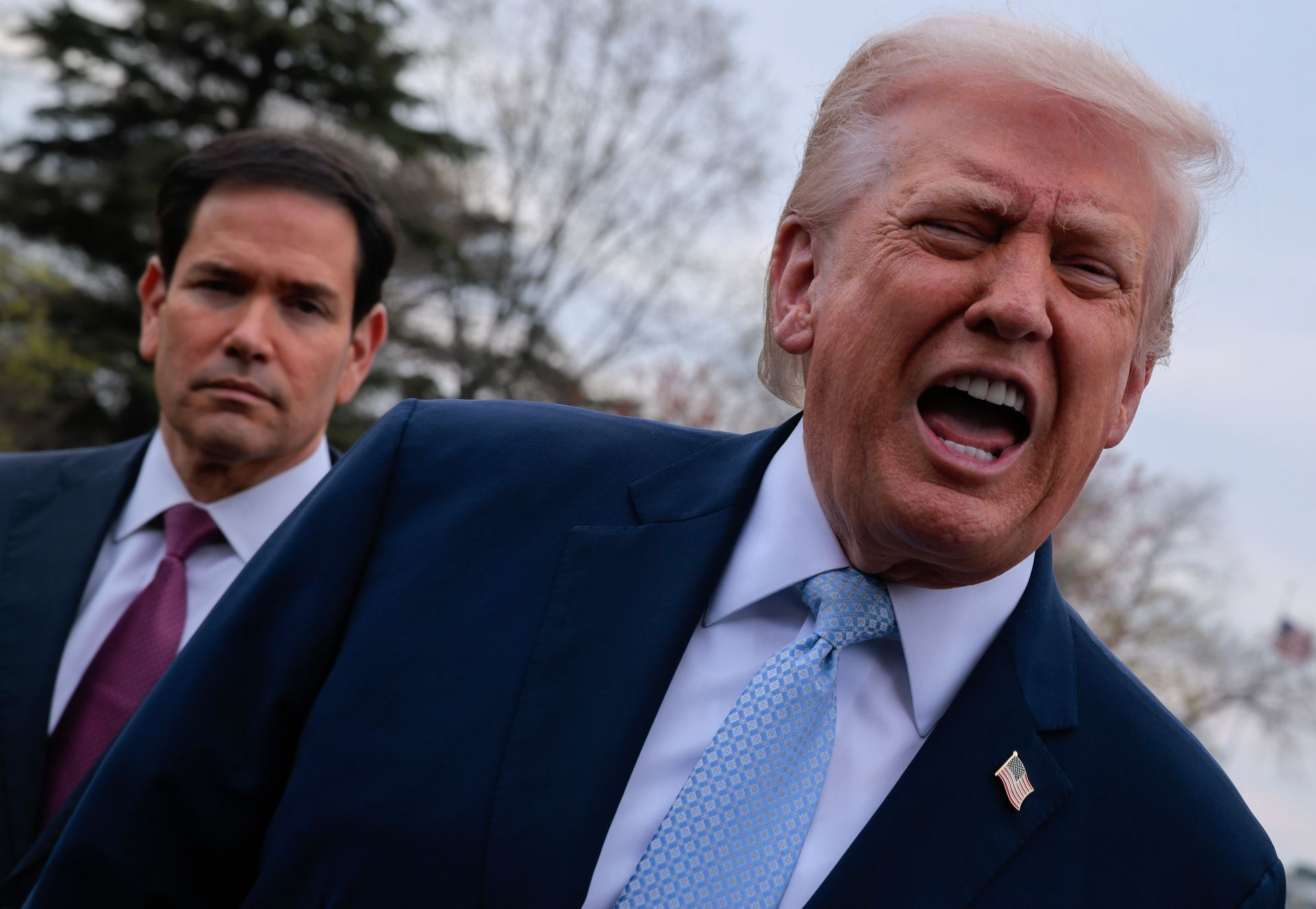
Trump threatens to 'obliterate' Iran's power plants over Strait of Hormuz blockade
#Трамп #Іран #Протока Ормуз #Електростанції #Погроза #США #Ближній Схід
📌 Key Takeaways
- Трамп погрожує знищенням іранських електростанцій
- Ультиматум вимагає відкриття протоки Ормуз без загроз
- Термін виконання умов - 48 годин
- Погроза стосується стратегічно важливої морської протоки
📖 Full Retelling
🏷️ Themes
Міжнародні відносини, Енергетична безпека
Entity Intersection Graph
No entity connections available yet for this article.
Deep Analysis
Why It Matters
This statement from former President Trump significantly escalates tensions between the US and Iran at a time when the Middle East is already facing instability. The threat to destroy Iranian power plants represents a major escalation that could trigger a wider regional conflict. This matters globally because the Strait of Hormuz is critical for global energy security, with about 20% of global oil trade passing through it. Any disruption could impact oil prices worldwide and potentially lead to a humanitarian crisis in Iran.
Context & Background
- The US and Iran have had hostile relations since the 1979 Iranian Revolution and the subsequent hostage crisis at the US Embassy in Tehran
- In 2018, President Trump withdrew the US from the Iran nuclear deal (JCPOA) and reimposed harsh sanctions on Iran
- Tensions escalated significantly in 2019-2020 when Iran shot down a US drone and attacked Saudi oil facilities
- The Strait of Hormuz has been a flashpoint in the past, with Iran previously threatening to close it in response to sanctions
- Trump's administration took a hardline approach to Iran, including the 2020 assassination of Iranian General Qasem Soleimani
- Iran has been developing its nuclear program beyond limits set in the JCPOA since the US withdrawal
What Happens Next
Given that Trump is no longer president, this statement is likely more about political positioning than immediate policy. However, it could influence the ongoing nuclear negotiations between the US and Iran. Iran might respond with strong rhetoric of its own, potentially increasing its nuclear activities or threatening to close the Strait of Hormuz. The international community, including European allies and other Gulf states, will likely urge de-escalation. If Trump becomes president again in 2025, this statement could signal a return to the 'maximum pressure' campaign against Iran.
Frequently Asked Questions
While Trump no longer has the authority to order military action, his statements can still influence international relations and domestic politics. As a leading Republican figure and potential future presidential candidate, his words carry weight in diplomatic circles and may signal future policy directions.
Such an attack would cause a major humanitarian crisis in Iran, potentially affecting millions of civilians. It would likely violate international law as disproportionate collective punishment and could trigger a wider regional conflict, with Iran potentially attacking US interests or allies in the region.
The strait is one of the world's most important chokepoints for oil transportation, with about 20% of global oil trade passing through it. Any disruption could cause significant price spikes and supply disruptions, affecting economies worldwide.
A US president would have authority as commander-in-chief to order military action, though Congress has the power to declare war and fund military operations. International law would likely view such an attack as disproportionate unless there was an immediate threat justifying self-defense.
Iran would likely respond with strong rhetoric, potentially increasing its nuclear program, supporting proxy attacks on US interests, or attempting to close the Strait of Hormuz. It might also seek support from allies like Russia and China and bring the issue before international bodies like the UN Security Council.