
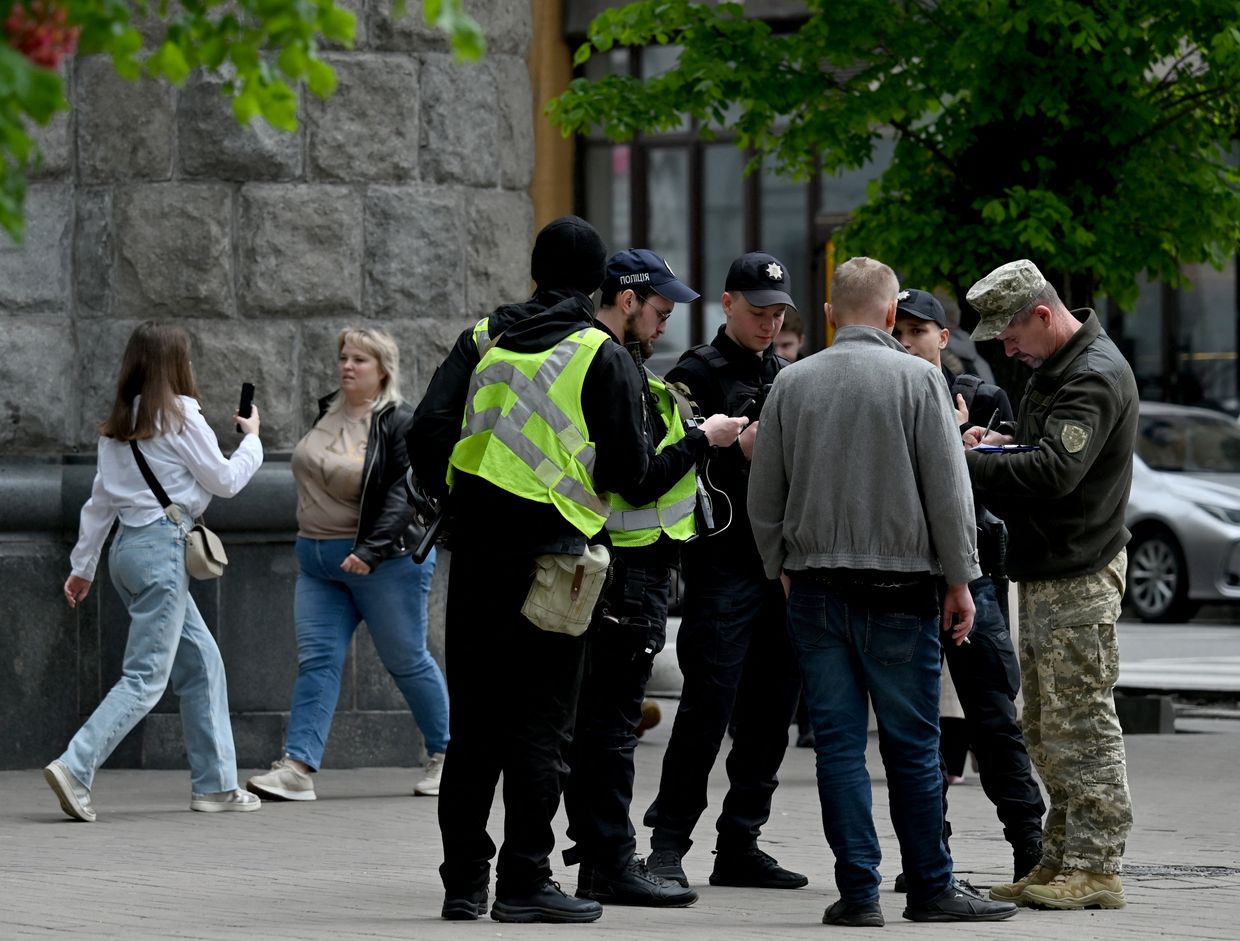
Two draft officers injured in stabbing during papers check in Vinnytsia
#stabbing #draft officers #Vinnytsia #papers check #injuries
📌 Key Takeaways
- Two draft officers were stabbed while checking documents in Vinnytsia.
- The incident occurred during a routine papers check.
- The officers sustained injuries from the attack.
- The motive and suspect details are not specified in the article.
📖 Full Retelling
🏷️ Themes
Violence, Military Draft
📚 Related People & Topics

Vinnytsia
City and administrative center of Vinnytsia Oblast, Ukraine
Vinnytsia ( VIN-it-s(y)ə, VEEN-; Ukrainian: Вінниця, IPA: [ˈwinːɪtsʲɐ] ) is a city in west-central Ukraine, located on the banks of the Southern Bug. It serves as the administrative center of Vinnytsia Oblast in Ukraine. It is the largest city in the historic region of Podillia.
Entity Intersection Graph
Connections for Vinnytsia:
Mentioned Entities
Deep Analysis
Why It Matters
This incident highlights the escalating tensions and violence surrounding Ukraine's military mobilization efforts during wartime. It directly affects draft officers who face increasing risks while performing their duties, Ukrainian citizens subject to mobilization checks, and national security officials concerned about resistance to conscription. The attack undermines military recruitment efforts at a critical time when Ukraine faces personnel shortages against Russian forces. Such violence could signal growing public frustration with mobilization policies or targeted opposition to military service requirements.
Context & Background
- Ukraine has been under martial law since Russia's full-scale invasion in February 2022, allowing for expanded military mobilization
- The Ukrainian military has faced ongoing challenges with recruitment and manpower shortages throughout the conflict
- Previous incidents of resistance to mobilization have included evasion attempts, protests, and occasional violence against draft officials
- Vinnytsia is a city in west-central Ukraine that has served as an important logistical and military hub during the war
- Ukraine recently passed legislation to strengthen mobilization efforts, including lowering the draft age and increasing penalties for evasion
What Happens Next
Ukrainian law enforcement will likely conduct a criminal investigation into the stabbing, potentially leading to terrorism or treason charges given the wartime context. Security protocols for draft officers may be enhanced nationwide, possibly including armed escorts or revised procedures for document checks. The incident may prompt parliamentary discussions about mobilization safety measures, with possible debates occurring within weeks. Military recruitment centers could see increased security presence in the coming days, while the Defense Ministry may issue new guidelines for conscription operations.
Frequently Asked Questions
Attacks may stem from desperation to avoid military service, opposition to mobilization policies, or personal conflicts during enforcement. Some individuals facing conscription may resort to violence when confronted during document checks, particularly if they believe they have limited alternatives.
Such incidents can undermine mobilization efficiency by making draft officers more cautious and potentially reducing public cooperation. Violence against recruitment officials creates security concerns that may slow conscription processes during a critical period of personnel needs.
Perpetrators face severe penalties under Ukraine's martial law provisions, potentially including lengthy prison sentences or terrorism charges. Wartime legislation typically imposes harsher punishments for offenses that obstruct military operations or endanger mobilization efforts.
Yes, there have been isolated incidents throughout the war including physical confrontations, arson attacks on recruitment centers, and occasional armed resistance. However, systematic violence remains relatively rare compared to evasion methods like border crossing or document forgery.
Authorities may implement enhanced security measures such as requiring police presence during document checks or conducting mobilization activities in more secure locations. The military might also review training for draft officers on de-escalation techniques and personal safety protocols.