
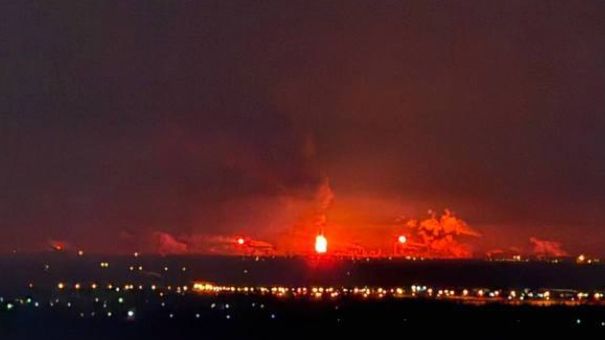
Ukraine brings war back to Russia — and Russians begin to feel it
#Ukraine #Russia #war #attacks #civilians #strategy #conflict
📌 Key Takeaways
- Ukraine has escalated attacks on Russian territory, shifting the conflict's geographic scope.
- Russian civilians are experiencing direct impacts of the war, altering domestic perceptions.
- The strategy aims to pressure Russian leadership by increasing domestic discontent.
- This marks a significant shift from Ukraine's previously defensive posture.
📖 Full Retelling
🏷️ Themes
Military escalation, Civilian impact
📚 Related People & Topics

Russia
Country in Eastern Europe and North Asia
Russia, or the Russian Federation, is a country in Eastern Europe and North Asia. It is the largest country in the world, spanning eleven time zones and sharing land borders with fourteen countries. With a population of over 140 million, Russia is the most populous country in Europe and the ninth-mo...

Ukraine
Country in Eastern Europe
# Ukraine **Ukraine** is a country located in Eastern Europe. It is the second-largest country in Europe by area, after Russia. Known for its extensive fertile plains, the nation serves as a critical global exporter of grain and is considered a middle power in international affairs. ## Geography a...
Entity Intersection Graph
Connections for Russia:
Mentioned Entities
Deep Analysis
Why It Matters
This development matters because it represents a significant escalation in the Ukraine conflict, potentially changing Russian civilians' perception of the war that has largely been fought on Ukrainian territory. It affects Russian citizens who may now experience direct consequences of the conflict, potentially influencing domestic support for the war effort. The psychological impact of bringing the war to Russian soil could alter public opinion and create pressure on the Kremlin's leadership. This shift also has implications for international security dynamics and could influence how other nations respond to the ongoing conflict.
Context & Background
- The Russia-Ukraine war began with Russia's full-scale invasion in February 2022, though conflict in eastern Ukraine dates back to 2014
- Until recently, most combat operations and destruction occurred within Ukrainian territory, with Russian civilians largely insulated from direct war effects
- Ukraine has previously conducted limited cross-border raids and drone strikes, but these appear to be increasing in frequency and impact
- Russian state media has generally portrayed the war as a 'special military operation' happening at a distance from most Russians' daily lives
What Happens Next
We can expect increased Russian air defense deployments near border regions and potential retaliatory strikes against Ukrainian civilian infrastructure. The Russian government may implement stricter information controls to manage domestic perceptions. Ukraine will likely continue these operations to disrupt Russian military logistics and morale. International observers will monitor for any escalation in targeting patterns or weapons systems used in cross-border attacks.
Frequently Asked Questions
Ukraine appears to be pursuing a strategy of bringing the war's consequences directly to Russia to undermine domestic support for the conflict and disrupt military logistics. These attacks serve both practical military purposes and psychological warfare objectives, potentially weakening Russian resolve over time.
As Russians experience direct consequences of the conflict, previously abstract support for the 'special military operation' may weaken. However, the Kremlin will likely intensify propaganda efforts to frame these attacks as Ukrainian terrorism rather than legitimate military actions.
Russia may respond with intensified attacks on Ukrainian civilian infrastructure or declare broader war aims. However, both sides appear cautious about triggering NATO's direct involvement, suggesting measured responses rather than dramatic escalation.
Ukraine is probably focusing on military infrastructure like airfields, supply depots, and command centers near the border. They may also target symbolic locations to maximize psychological impact while avoiding mass civilian casualties that could trigger international condemnation.
Western nations providing military aid to Ukraine have generally avoided encouraging attacks on Russian territory but have not condemned them either. Allies will likely maintain their current support levels while monitoring for any actions that could dangerously escalate the conflict.