
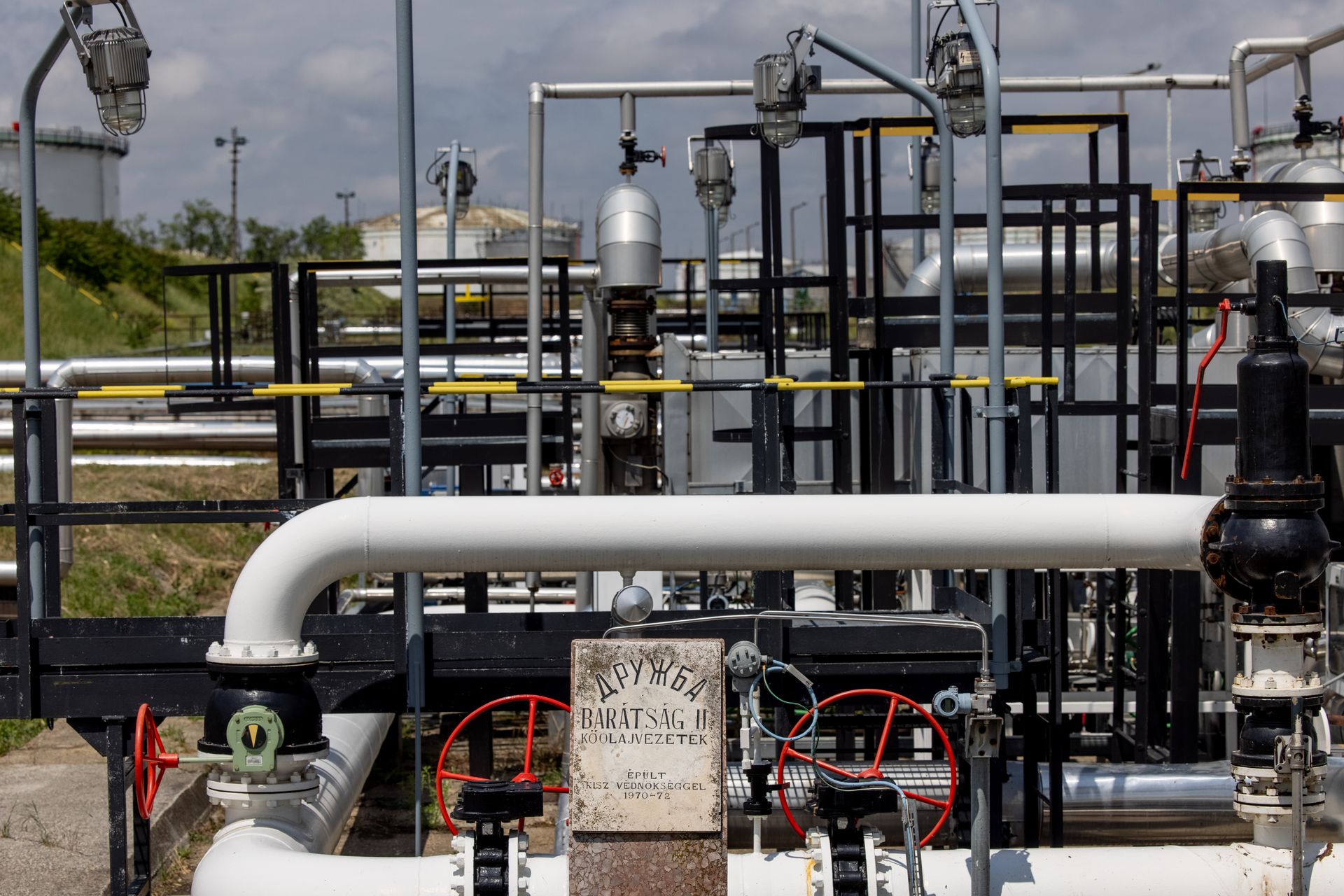
Ukraine, Hungary clash over Druzhba pipeline as Budapest accuses Kyiv of skipping talks
#Ukraine #Hungary #Druzhba pipeline #energy security #diplomatic talks #oil transit #Russia #Eastern Europe
📌 Key Takeaways
- Hungary accuses Ukraine of skipping negotiations on the Druzhba pipeline, escalating tensions.
- The dispute centers on energy security and transit agreements affecting Russian oil supplies to Europe.
- Ukraine's alleged absence from talks raises concerns over diplomatic relations and regional stability.
- The conflict highlights ongoing energy dependence issues in Eastern Europe amid geopolitical strains.
🏷️ Themes
Energy Dispute, Diplomatic Tensions
📚 Related People & Topics

Russia
Country in Eastern Europe and North Asia
Russia, or the Russian Federation, is a country in Eastern Europe and North Asia. It is the largest country in the world, spanning eleven time zones and sharing land borders with fourteen countries. With a population of over 140 million, Russia is the most populous country in Europe and the ninth-mo...

Druzhba pipeline
Oil pipeline from Tatarstan, Russia
The Druzhba pipeline (Russian: нефтепровод «Дружба», Czech: Ropovod Družba), also referred to as the Friendship Pipeline and the Comecon Pipeline, is one of the world's longest oil pipelines and one of the largest oil pipeline networks in the world. It began operation in 1964 and remains in operatio...

Ukraine
Country in Eastern Europe
# Ukraine **Ukraine** is a country located in Eastern Europe. It is the second-largest country in Europe by area, after Russia. Known for its extensive fertile plains, the nation serves as a critical global exporter of grain and is considered a middle power in international affairs. ## Geography a...

Hungary
Country in Central Europe
Hungary is a landlocked country in Central Europe. Spanning much of the Carpathian Basin, it is bordered by Slovakia to the north, Ukraine to the northeast, Romania to the east and southeast, Serbia to the south, Croatia and Slovenia to the southwest, and Austria to the west. Hungary lies within the...

Eastern Europe
Eastern Europe is a subregion of the European continent. As a largely ambiguous term, it has a wide range of geopolitical, geographical, ethnic, cultural and socio-economic connotations. Its eastern boundary is marked by the Ural Mountains, and its western boundary is defined in various ways.
Entity Intersection Graph
Connections for Russia:
Mentioned Entities
Deep Analysis
Why It Matters
This dispute threatens European energy security by potentially disrupting Russian oil flows to Hungary through Ukraine's pipeline network. It affects Hungary's energy supply, Ukraine's transit revenue, and broader EU energy policy as member states navigate reduced Russian imports. The conflict also highlights geopolitical tensions between Ukraine and EU members maintaining energy ties with Russia, potentially undermining Western unity against Moscow.
Context & Background
- The Druzhba pipeline is one of the world's longest oil pipelines, built during Soviet times to transport Russian oil to Eastern Europe and beyond
- Hungary depends heavily on Russian oil imports, with about 65% of its oil coming via the Druzhba pipeline through Ukraine
- Ukraine has been a critical transit country for Russian energy exports to Europe, earning significant transit fees despite the ongoing war
- EU sanctions have created exemptions allowing Hungary and other landlocked countries to continue receiving Russian oil via pipeline
- Previous disputes over transit fees and pipeline operations have occurred between Ukraine and Hungary since Russia's 2022 invasion
What Happens Next
Expect emergency diplomatic talks between Ukrainian and Hungarian officials, possibly mediated by EU energy commissioners. Hungary may seek alternative supply routes or increased imports via the Adriatic pipeline if tensions escalate. The EU may need to intervene to prevent energy disruptions that could affect multiple Central European countries. Watch for developments at the next EU energy ministers meeting scheduled for late October.
Frequently Asked Questions
Hungary secured exemptions from EU sanctions due to its heavy dependence on Russian pipeline oil and lack of immediate alternatives. The landlocked country argues it cannot quickly reconfigure its refinery infrastructure to process non-Russian crude.
Ukraine controls the pipeline infrastructure on its territory and can technically restrict or halt flows. However, doing so would violate transit agreements and could prompt legal action and EU sanctions against Ukraine.
The Druzhba pipeline also supplies Slovakia and the Czech Republic, meaning disruptions could impact multiple EU members. This creates pressure for EU-level mediation to prevent broader energy security consequences.
Ukraine earns substantial transit fees from Russian oil shipments, while Hungary faces potential energy price spikes if supplies are disrupted. Both countries have economic incentives to resolve the conflict quickly.
Hungary has previously used its EU veto power to advance its interests. While possible, blocking Ukraine aid over pipeline disputes would face strong opposition from other EU members and risk isolating Hungary further.