
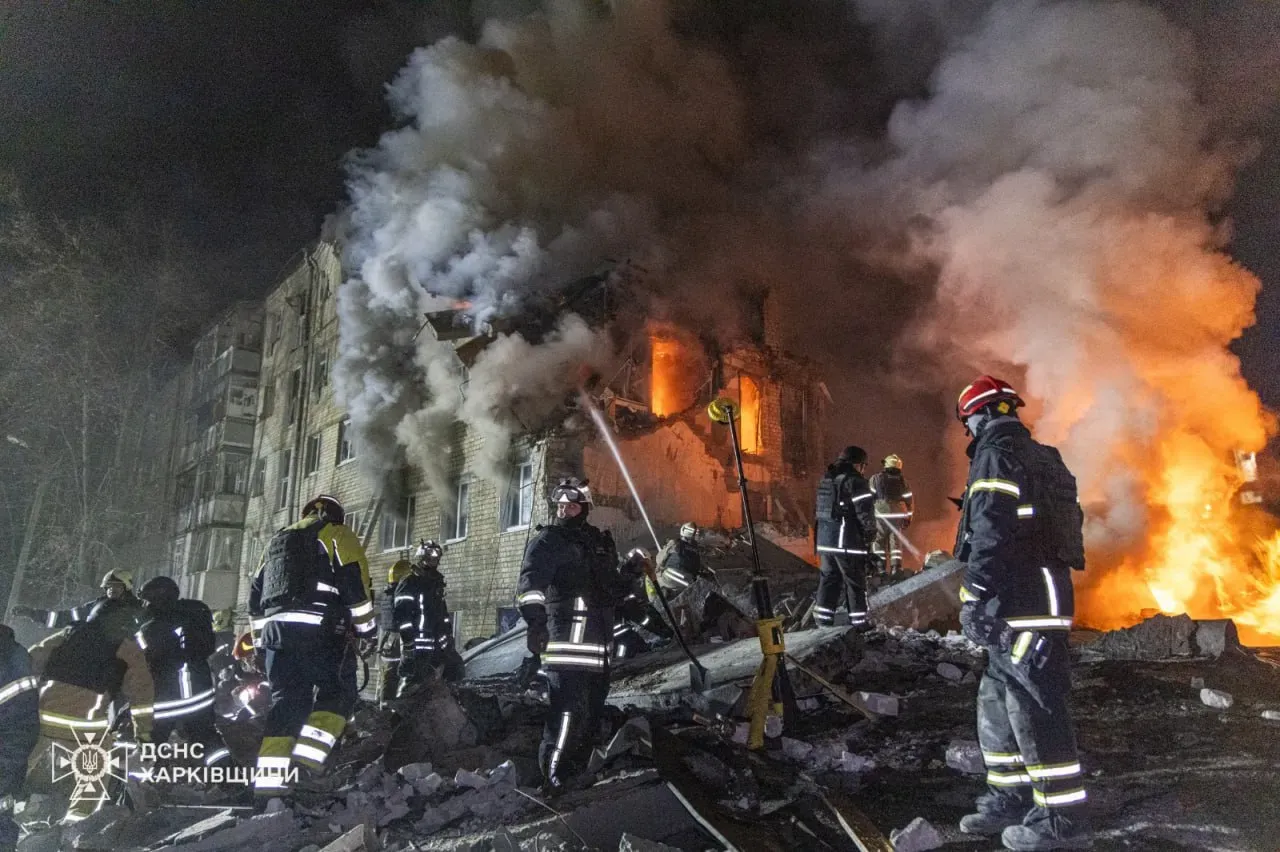
Ukraine war latest: Russian attack kills 11 in Kharkiv, including 2 children
#Ukraine #Kharkiv #Russian attack #civilian deaths #children killed #war crime #missile strike
📌 Key Takeaways
- Russian missile strike on Kharkiv kills 11 civilians, including two children.
- The attack targeted a residential area, causing significant destruction.
- Ukrainian officials condemn the strike as a war crime.
- The incident intensifies international calls for increased military aid to Ukraine.
📖 Full Retelling
🏷️ Themes
Civilian Casualties, War Crimes
📚 Related People & Topics

Ukraine
Country in Eastern Europe
# Ukraine **Ukraine** is a country located in Eastern Europe. It is the second-largest country in Europe by area, after Russia. Known for its extensive fertile plains, the nation serves as a critical global exporter of grain and is considered a middle power in international affairs. ## Geography a...

Kharkiv
City in Kharkiv Oblast, Ukraine
Kharkiv, also known as Kharkov, is the second-largest city in Ukraine. Located in the northeast of the country, it is the largest city of the historic region of Sloboda Ukraine. Kharkiv is the administrative center of Kharkiv Oblast and Kharkiv Raion.
Entity Intersection Graph
Connections for Ukraine:
Mentioned Entities
Deep Analysis
Why It Matters
This attack represents a significant escalation in civilian targeting during the Ukraine conflict, highlighting the ongoing humanitarian crisis. It affects not only the victims' families but also international diplomatic efforts, as such incidents increase pressure on Western allies to provide more military support to Ukraine. The killing of children particularly intensifies global condemnation and could influence upcoming UN Security Council discussions about war crimes investigations.
Context & Background
- Kharkiv is Ukraine's second-largest city and has been under frequent attack since Russia's full-scale invasion began in February 2022
- The city is located just 30 kilometers from the Russian border, making it vulnerable to artillery and missile strikes
- Previous attacks on Kharkiv have targeted civilian infrastructure including residential buildings, schools, and hospitals throughout the conflict
- International humanitarian law prohibits deliberate attacks on civilians under the Geneva Conventions
- Russia has repeatedly denied targeting civilians despite substantial evidence to the contrary from international observers
What Happens Next
Ukraine will likely request emergency UN Security Council meetings this week to address the attack. NATO defense ministers meeting on Thursday may discuss accelerated air defense system deliveries to Ukraine. International human rights organizations will probably deploy investigation teams to document potential war crimes evidence. Russia may face additional EU sanctions proposals by Friday's summit.
Frequently Asked Questions
Kharkiv's proximity to the Russian border makes it strategically vulnerable, and as Ukraine's second-largest city, its capture would represent a major symbolic victory. The city also serves as a key transportation and industrial hub in eastern Ukraine.
Deliberate attacks on civilians and civilian infrastructure violate international humanitarian law. The killing of children and targeting of residential areas without military justification could be investigated as potential war crimes by the International Criminal Court.
Ukraine's air defenses have intercepted many missiles but remain overwhelmed by Russia's saturation attacks. Recent Western-supplied systems like Patriots have been effective but are too few to protect all population centers simultaneously.
The UN usually convenes emergency sessions, while the EU and US consider additional sanctions. NATO members often respond by accelerating military aid deliveries, particularly air defense systems and ammunition to help Ukraine protect civilian areas.
Civilian attacks typically harden Ukraine's negotiating position and reduce prospects for immediate diplomacy. Such incidents increase Ukrainian public support for continuing military resistance rather than accepting territorial concessions to Russia.