
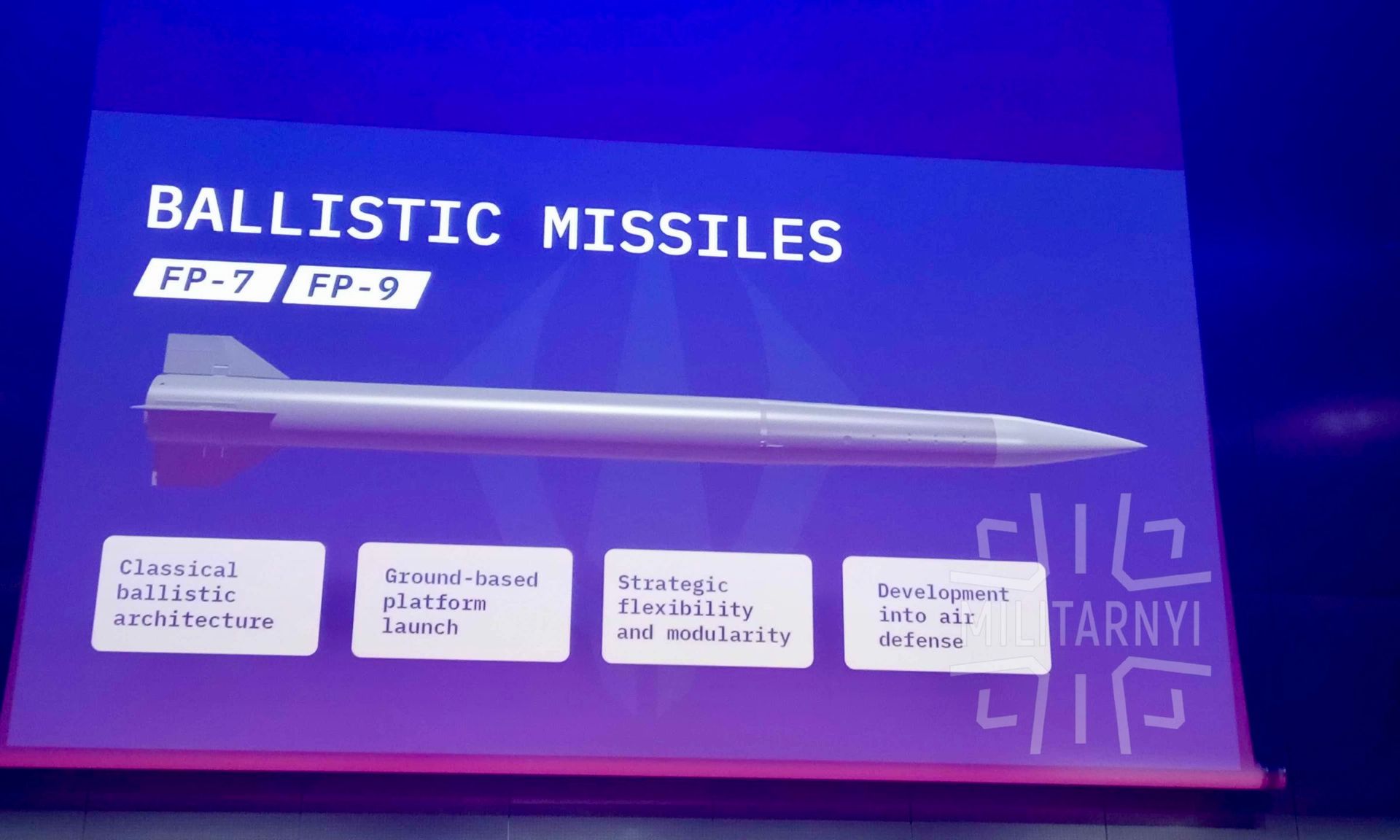
Ukraine's Flamingo missile maker promises FP-9 ballistics will reach Moscow
#Ukraine #Flamingo missile #FP-9 #ballistic missile #Moscow #long-range strike #military technology
📌 Key Takeaways
- Ukraine's Flamingo missile maker announces FP-9 ballistic missiles with range to reach Moscow
- The development signals Ukraine's expanding domestic long-range strike capabilities
- This could alter strategic dynamics in the conflict by threatening deeper Russian targets
- The claim highlights Ukraine's push for advanced indigenous military technology
📖 Full Retelling
🏷️ Themes
Military Technology, Ukraine Conflict
Entity Intersection Graph
No entity connections available yet for this article.
Deep Analysis
Why It Matters
This development matters because it represents a significant escalation in Ukraine's long-range strike capabilities against Russian military infrastructure. It directly affects Ukrainian military planners who gain new strategic options, Russian defense forces who must adapt to longer-range threats, and civilians in potential target areas who face increased risks. The announcement signals Ukraine's continued determination to develop domestic defense industries despite wartime challenges, potentially reducing reliance on Western arms supplies for certain capabilities.
Context & Background
- Ukraine has been developing indigenous missile systems since 2014 following Russia's annexation of Crimea and the Donbas conflict
- Previous Ukrainian long-range systems like the Neptune anti-ship missile (adapted for land attack) have demonstrated effectiveness against Russian targets including the Moskva cruiser
- Russia has repeatedly targeted Ukrainian defense industry facilities throughout the war, making domestic weapons development both challenging and strategically important
- The maximum range of current Ukrainian ballistic missiles is estimated at 300-500km, limiting strikes to occupied territories and border regions rather than deep Russian targets
What Happens Next
Ukrainian forces will likely conduct test launches of the FP-9 system in coming months, with potential deployment to frontline units by late 2024 or early 2025 if development proceeds as planned. Russia will almost certainly intensify intelligence operations targeting Flamingo's manufacturing facilities and attempt to develop countermeasures. International observers will monitor whether these systems incorporate Western components that might violate export control agreements regarding long-range strike capabilities.
Frequently Asked Questions
Flamingo is a Ukrainian defense contractor that has developed various missile systems including the FP-9 ballistic missile mentioned in the article. The company represents Ukraine's growing domestic defense industry capabilities amid ongoing conflict with Russia.
While exact specifications aren't provided, reaching Moscow from Ukrainian territory would require a minimum range of approximately 450-500km depending on launch location. This represents a significant increase over Ukraine's current longest-range domestic systems.
Ukraine seeks to disrupt Russian military logistics deep behind front lines, target command centers, and reduce Russia's ability to safely position assets far from the conflict zone. Domestic production also reduces dependence on Western arms supplies which sometimes come with usage restrictions.
While not decisive alone, such capabilities could force Russia to disperse military assets over a wider area, complicate logistics, and potentially disrupt command structures. However, missile quantity, accuracy, and Russian countermeasures will determine actual battlefield impact.
International law generally permits strikes against legitimate military targets during armed conflict. However, attacks on purely civilian infrastructure or disproportionate collateral damage would violate laws of war. The legality depends on specific targets and proportionality considerations.