
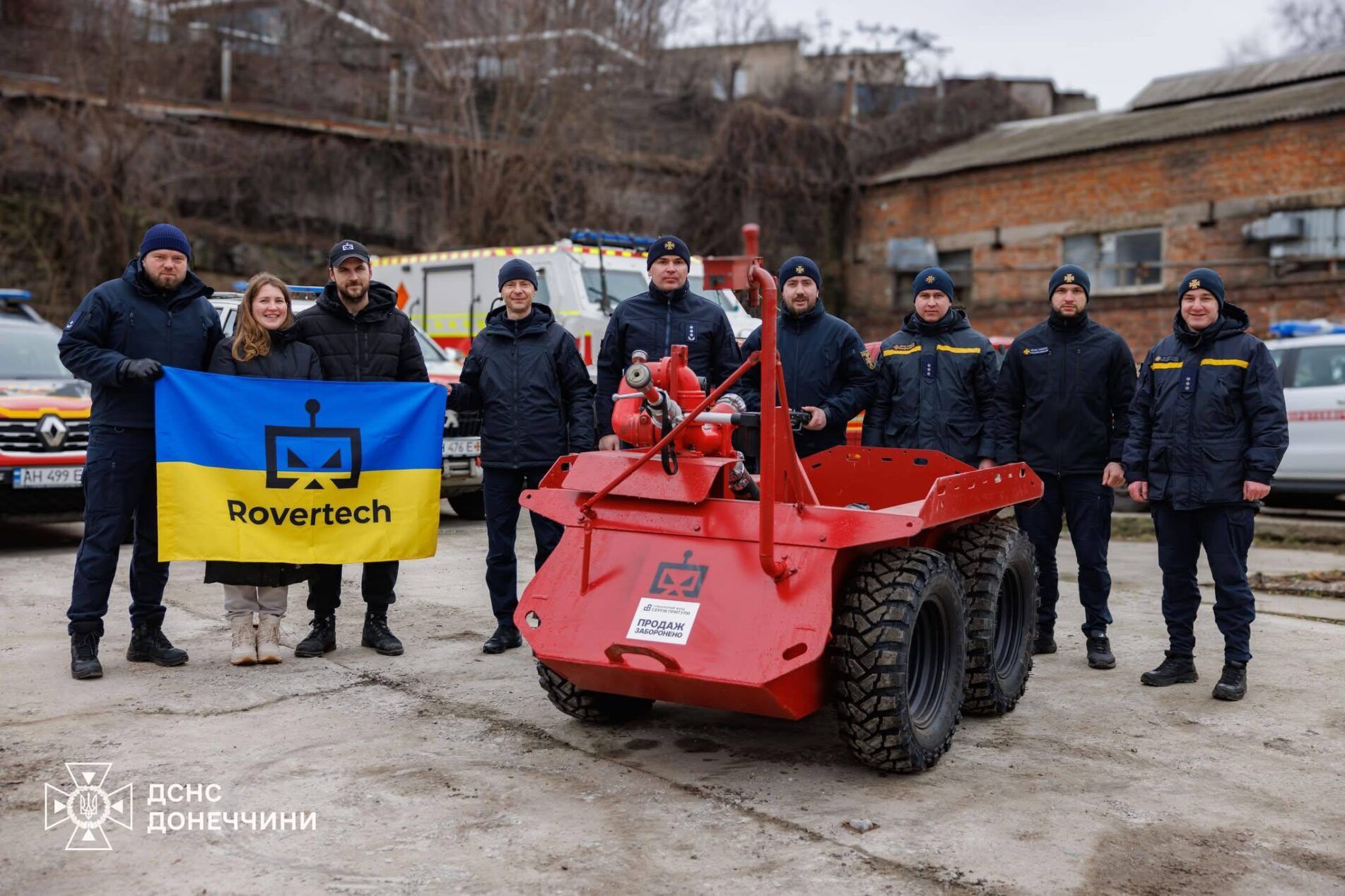
Ukrainian firefighting robot helps soldiers for first time
#Ukraine #firefighting robot #military #combat #technology #innovation #soldiers
📌 Key Takeaways
- Ukrainian forces deployed a firefighting robot in combat for the first time.
- The robot was originally designed for civilian firefighting but adapted for military use.
- It assists soldiers by extinguishing fires in hazardous combat zones.
- This innovation highlights Ukraine's use of technology to address battlefield challenges.
📖 Full Retelling
🏷️ Themes
Military Technology, Innovation
📚 Related People & Topics

Ukraine
Country in Eastern Europe
# Ukraine **Ukraine** is a country located in Eastern Europe. It is the second-largest country in Europe by area, after Russia. Known for its extensive fertile plains, the nation serves as a critical global exporter of grain and is considered a middle power in international affairs. ## Geography a...
Entity Intersection Graph
Connections for Ukraine:
Mentioned Entities
Deep Analysis
Why It Matters
This development matters because it represents a significant evolution in military technology application, potentially saving soldiers' lives by reducing their exposure to dangerous firefighting situations. It affects frontline Ukrainian troops who face constant threats from fires caused by artillery strikes and combat operations, as well as military strategists worldwide observing battlefield innovation. The successful deployment demonstrates how civilian technology can be adapted for military purposes during wartime, potentially influencing future defense procurement and emergency response strategies globally.
Context & Background
- Ukraine has been engaged in a full-scale war with Russia since February 2022, creating urgent needs for battlefield innovations
- Military forces worldwide have increasingly incorporated robotic systems for dangerous tasks like bomb disposal, reconnaissance, and logistics
- Civilian firefighting robots have been used internationally for years in situations too dangerous for human firefighters, such as chemical fires or structural collapses
- The Ukrainian military has demonstrated remarkable adaptability, frequently modifying civilian drones and other technologies for combat applications
- Previous battlefield robots in Ukraine have primarily focused on reconnaissance, mine clearance, and explosive ordnance disposal rather than firefighting
What Happens Next
Ukrainian forces will likely expand deployment of firefighting robots to other frontline units if initial results prove successful. Military analysts expect other nations to study this application for potential adoption in their own armed forces. The technology may be further adapted to handle different types of battlefield fires, including those involving hazardous materials. Within 3-6 months, we may see reports about scaled production or international partnerships to supply more such systems to Ukraine.
Frequently Asked Questions
This represents the first documented battlefield application of a firefighting-specific robot, whereas previous military robots have focused on combat, reconnaissance, or explosive disposal. The robot is adapted from civilian firefighting technology rather than being designed as a military system from the ground up.
The robot allows soldiers to combat fires from a safe distance, reducing casualties from secondary fires caused by artillery strikes. It can enter burning buildings or vehicles that would be too dangerous for human firefighters, potentially saving equipment and supplies that might otherwise be lost.
Yes, any military facing similar battlefield conditions could adopt this technology. Nations with advanced firefighting robotics industries, like Japan, South Korea, and Germany, might develop specialized military versions based on this Ukrainian adaptation.
These robots require reliable communication links that can be disrupted by electronic warfare. They may have limited mobility in rough terrain and could be vulnerable to small arms fire or shrapnel. Their effectiveness against different fire types (chemical, electrical, conventional) may vary significantly.
Commanders might position firefighting robots near valuable equipment depots or defensive positions to provide immediate response. The technology could influence how military bases and forward operating bases are designed, with dedicated robot stations for rapid fire response.