
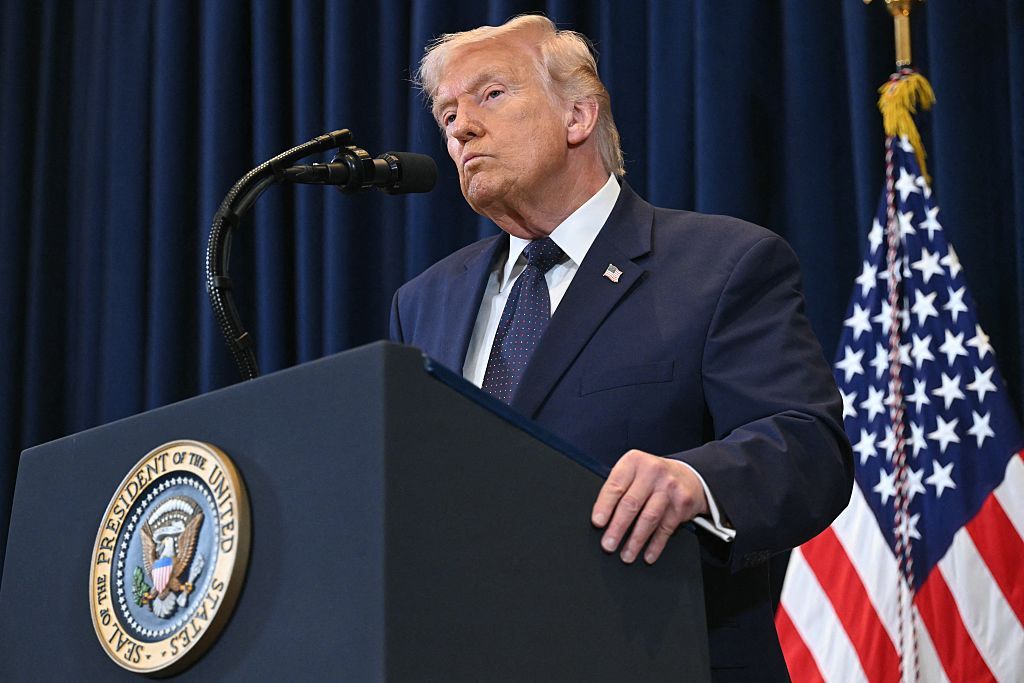
US waiving oil-related sanctions to reduce prices, Trump says
#sanctions #oil prices #Trump #US policy #energy #economic relief #consumer costs
📌 Key Takeaways
- The US is waiving oil-related sanctions to lower prices.
- President Trump announced the policy change.
- The move aims to reduce costs for consumers.
- It reflects a strategic shift in energy policy.
📖 Full Retelling
🏷️ Themes
Energy Policy, Economic Relief
📚 Related People & Topics

Donald Trump
President of the United States (2017–2021; since 2025)
Donald John Trump (born June 14, 1946) is an American politician, media personality, and businessman who is the 47th president of the United States. A member of the Republican Party, he served as the 45th president from 2017 to 2021. Born into a wealthy New York City family, Trump graduated from the...
Entity Intersection Graph
Connections for Donald Trump:
Mentioned Entities
Deep Analysis
Why It Matters
This news matters because it directly impacts global oil markets and consumer fuel prices, affecting both domestic US households and international economies. It signals a shift in US foreign policy, particularly regarding sanctions on oil-producing nations like Iran or Venezuela, which could alter global supply dynamics. The decision influences geopolitical relationships, energy security, and inflation rates, making it critical for policymakers, investors, and the general public.
Context & Background
- The US has historically imposed sanctions on countries like Iran and Venezuela to curb their oil exports, aiming to pressure their governments over nuclear programs or political issues.
- Global oil prices have been volatile due to factors such as OPEC+ production cuts, the Russia-Ukraine war, and post-pandemic demand recovery, contributing to inflation concerns worldwide.
- Previous US administrations, including Trump's, have used sanctions waivers strategically, such as allowing limited oil imports from Iran in 2018 to stabilize markets without fully lifting restrictions.
What Happens Next
In the short term, increased oil supply from previously sanctioned sources may lead to lower global prices, potentially easing inflation. However, geopolitical tensions could arise if this move is perceived as weakening US sanctions enforcement. Upcoming OPEC+ meetings and US election dynamics may further influence oil policies and market reactions in the coming months.
Frequently Asked Questions
The waiver likely targets nations like Iran or Venezuela, where US sanctions have restricted oil exports. This temporary relief aims to boost global supply and lower prices, though specifics depend on official announcements.
Increased oil supply from waived sanctions could reduce crude oil costs, potentially leading to lower gasoline prices for US consumers. However, market fluctuations and refining capacity also play key roles in final pump prices.
Waiving sanctions may ease tensions with sanctioned nations but could strain alliances with countries enforcing strict sanctions. It reflects a pragmatic approach to energy economics, balancing foreign policy goals with domestic economic needs.
No, such waivers are typically temporary and conditional, allowing the US to adjust based on market conditions and diplomatic objectives. Permanent changes would require formal policy revisions or legislative action.