
Western-made parts keep ending up in Russian and Iranian weapons
📖 Full Retelling
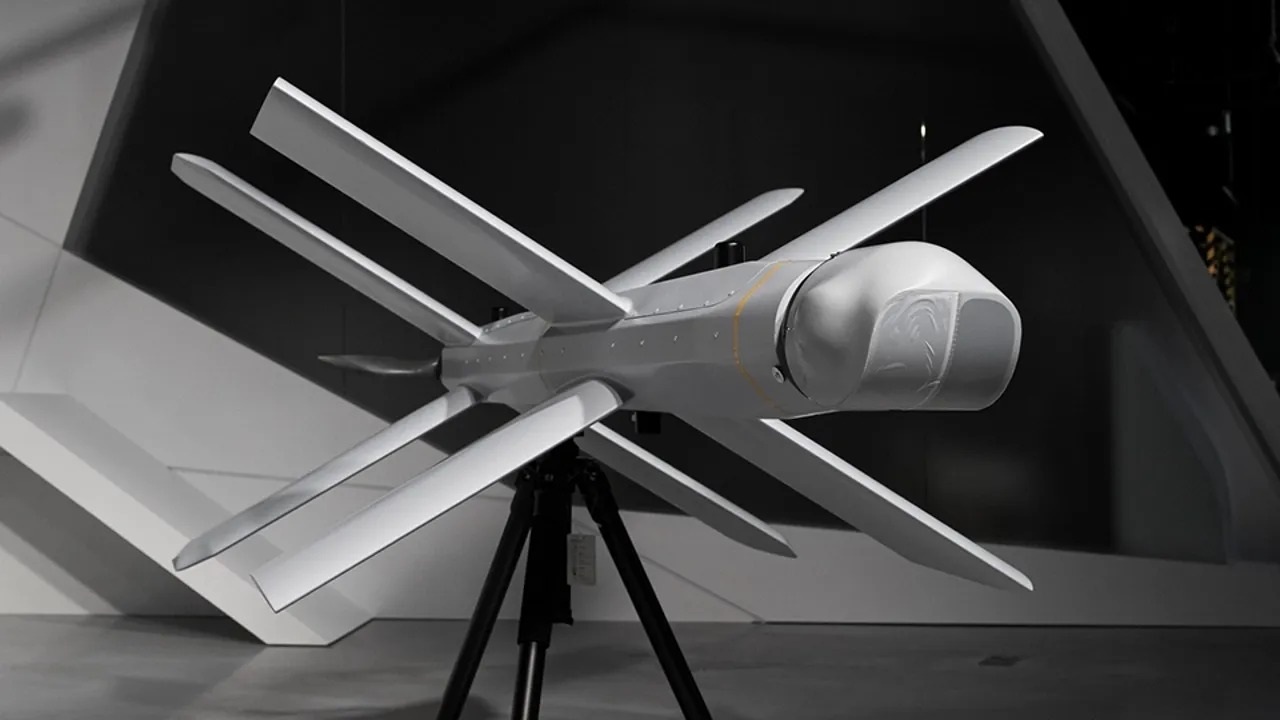
On the morning of March 16, a Russian Lancet drone was shot down by Ukrainian air defenses over central Kyiv. Its debris fell near the Monument of Independence. An examination of the wreckage revealed around 50 foreign-made components . Among the countries of origin were Switzerland, Italy, the Netherlands, the United
Entity Intersection Graph
No entity connections available yet for this article.
Original Source
Opinion Western-made parts keep ending up in Russian and Iranian weapons by Vladyslav Vlasiuk March 23, 2026 6:57 PM 5 min read Russian Lancet drone in an undated photo. (Zala Aero) Opinion Prefer on Google Vladyslav Vlasiuk Special Envoy for Sanctions in Ukraine On the morning of March 16, a Russian Lancet drone was shot down by Ukrainian air defenses over central Kyiv. Its debris fell near the Monument of Independence. An examination of the wreckage revealed around 50 foreign-made components . Among the countries of origin were Switzerland, Italy, the Netherlands, the United States, Germany, Japan, and South Korea, with several components manufactured after 2022. Since the start of the full-scale invasion, Ukraine has examined a wide range of weapons systems — primarily Russian, but also Iranian (including the well-known Shahed drones ) and North Korean. A consistent pattern has emerged: all of these weapons rely on critical components produced in Europe, Asia, and the United States . The manufacturers include U-Blox, STMicroelectronics, Xilinx, Texas Instruments, NXP Semiconductors, Infenion Technology, and many others. Become a member – go ad‑free Despite sanctions and export control measures imposed by international partners, such components continue to reach Russia and, apparently, Iran too. It is an issue that the international community should address decisively. On the other hand, this fact is crucial for understanding the vulnerabilities of the Russian military-industrial complex. Russian manufacturers cannot rely on their own production forces. The need to secure components, means of production, and critical materials is a weakness of the Russian war machine. read also We know now that Russia sources about 60% of all critical components and production facilities for the needs of the military-industrial complex from China . The remaining 40% must be acquired through sanctions circumvention schemes — and it is precisely on that 40% that meaningful pressure ...
Read full article at source