
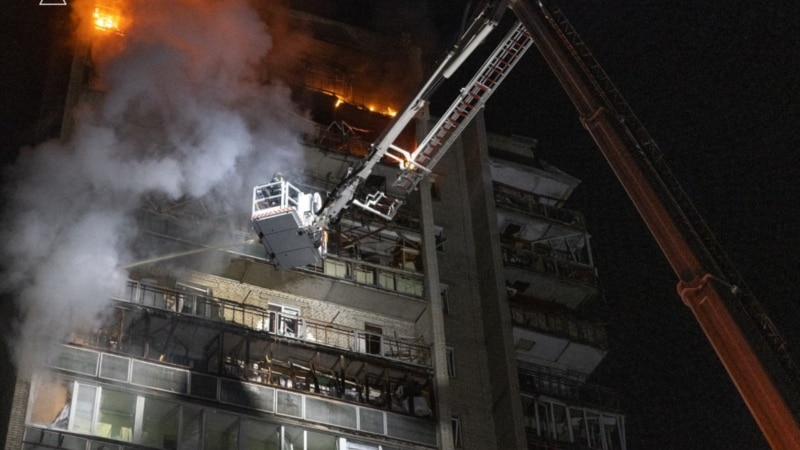
Zelenskyy Accuses Russia Of 'Easter Escalation' After Deadly Overnight Strikes
#Zelenskyy #Russia #Easter escalation #overnight strikes #Ukraine #civilian casualties #Orthodox Easter #military conflict
📌 Key Takeaways
- Ukrainian President Zelenskyy accuses Russia of an 'Easter escalation' following overnight strikes
- The strikes resulted in civilian casualties and damage to infrastructure
- The attacks occurred during the Orthodox Easter holiday period
- Zelenskyy's statement highlights intensified Russian military actions on a significant religious occasion
📖 Full Retelling
🏷️ Themes
Ukraine War, Holiday Attacks
📚 Related People & Topics

Russia
Country in Eastern Europe and North Asia
Russia, or the Russian Federation, is a country in Eastern Europe and North Asia. It is the largest country in the world, spanning eleven time zones and sharing land borders with fourteen countries. With a population of over 140 million, Russia is the most populous country in Europe and the ninth-mo...

Easter
Christian commemoration of the resurrection of Jesus
Easter, also called Pasch () or Pascha (Aramaic: פַּסְחָא , paskha; Greek: πάσχα, páskha) or Resurrection Sunday, is a Christian festival and cultural holiday commemorating the resurrection of Jesus from the dead, described in the New Testament as having occurred on the third day of his burial follo...

Volodymyr Zelenskyy
President of Ukraine since 2019
Volodymyr Oleksandrovych Zelenskyy (born 25 January 1978) is a Ukrainian politician and former entertainer who has served as the sixth president of Ukraine since 2019. He took office five years after the start of the Russo-Ukrainian War with Russia's annexation of Crimea and invasion of the Donbas, ...

Ukraine
Country in Eastern Europe
# Ukraine **Ukraine** is a country located in Eastern Europe. It is the second-largest country in Europe by area, after Russia. Known for its extensive fertile plains, the nation serves as a critical global exporter of grain and is considered a middle power in international affairs. ## Geography a...
Entity Intersection Graph
Connections for Russia:
Mentioned Entities
Deep Analysis
Why It Matters
This news matters because it represents a significant escalation in Russia's targeting of Ukrainian civilian infrastructure during a major religious holiday, potentially signaling a shift toward more indiscriminate warfare tactics. The attacks directly affect Ukrainian civilians who are already suffering from two years of conflict, particularly those in urban centers where critical infrastructure is concentrated. This development also impacts international diplomatic efforts, as it demonstrates Russia's disregard for humanitarian norms during religious observances, potentially hardening Western resolve to continue military support for Ukraine.
Context & Background
- Russia has previously targeted Ukrainian energy infrastructure throughout the war, with winter 2022-2023 seeing systematic attacks on power grids that left millions without electricity and heating
- Easter holds particular significance in both Ukrainian and Russian Orthodox traditions, with previous temporary ceasefires sometimes observed during major religious holidays in other conflicts
- The war has entered its third year with recent Russian advances in eastern Ukraine, particularly around Avdiivka and other Donbas regions, creating pressure on Ukrainian defensive lines
- Ukraine has faced ammunition shortages in recent months due to delayed Western military aid, particularly from the United States where a $60 billion aid package remained stalled in Congress for months
- Previous Russian attacks on civilian infrastructure have been condemned by international bodies including the UN, with documented patterns of attacks on hospitals, schools, and residential areas
What Happens Next
Ukraine will likely intensify calls for additional air defense systems from Western allies, particularly seeking Patriot missile batteries to protect major cities. The attacks may accelerate the stalled U.S. aid package through Congress, with lawmakers pointing to the Easter escalation as evidence of continued Russian aggression. Russia may continue targeting energy infrastructure ahead of next winter, attempting to weaken Ukrainian morale and industrial capacity. International organizations will likely investigate potential war crimes related to targeting during religious observances.
Frequently Asked Questions
Attacking during major religious holidays can be a psychological warfare tactic aimed at demoralizing civilian populations and demonstrating disregard for cultural norms. Such timing may also be intended to provoke international condemnation that Russia can then dismiss as hypocritical, given previous conflicts where other nations have conducted operations during holidays.
Ukraine's air defenses have been partially effective but stretched thin, with successful interceptions of many missiles and drones but not all. The country faces critical shortages of interceptor missiles for systems like Patriots, leaving gaps in coverage that Russian forces exploit with coordinated attacks on multiple targets simultaneously.
While the article doesn't specify exact targets, previous Russian strikes have focused on energy infrastructure like power plants, substations, and heating facilities, along with transportation hubs and industrial sites. Civilian areas near these facilities often suffer collateral damage from the attacks and resulting power outages.
Such escalations typically harden negotiating positions, making diplomatic solutions more difficult as trust erodes further. Ukraine and its allies will likely view these attacks as evidence that Russia isn't negotiating in good faith, while Russia may use the military pressure to demand more concessions in any future talks.
The terminology frames the attacks as particularly egregious by highlighting their timing during a major religious observance, potentially galvanizing both domestic Ukrainian resolve and international support. This language also helps document potential war crimes by establishing the deliberate nature of targeting during culturally sensitive periods.