
2025-26 Sweet 16 Betting Report: Swing in Futures Liability Impacting Books
#Sweet 16 #futures liability #St. John's #Duke #Caesars Sports #betting odds #March Madness #point spread
📌 Key Takeaways
- Caesars Sports reports a significant shift in March Madness championship betting liabilities over the past week, with St. John's now their biggest liability.
- St. John's has become a trendy pick to win the tournament, influencing both futures and their upcoming Sweet 16 game against Duke.
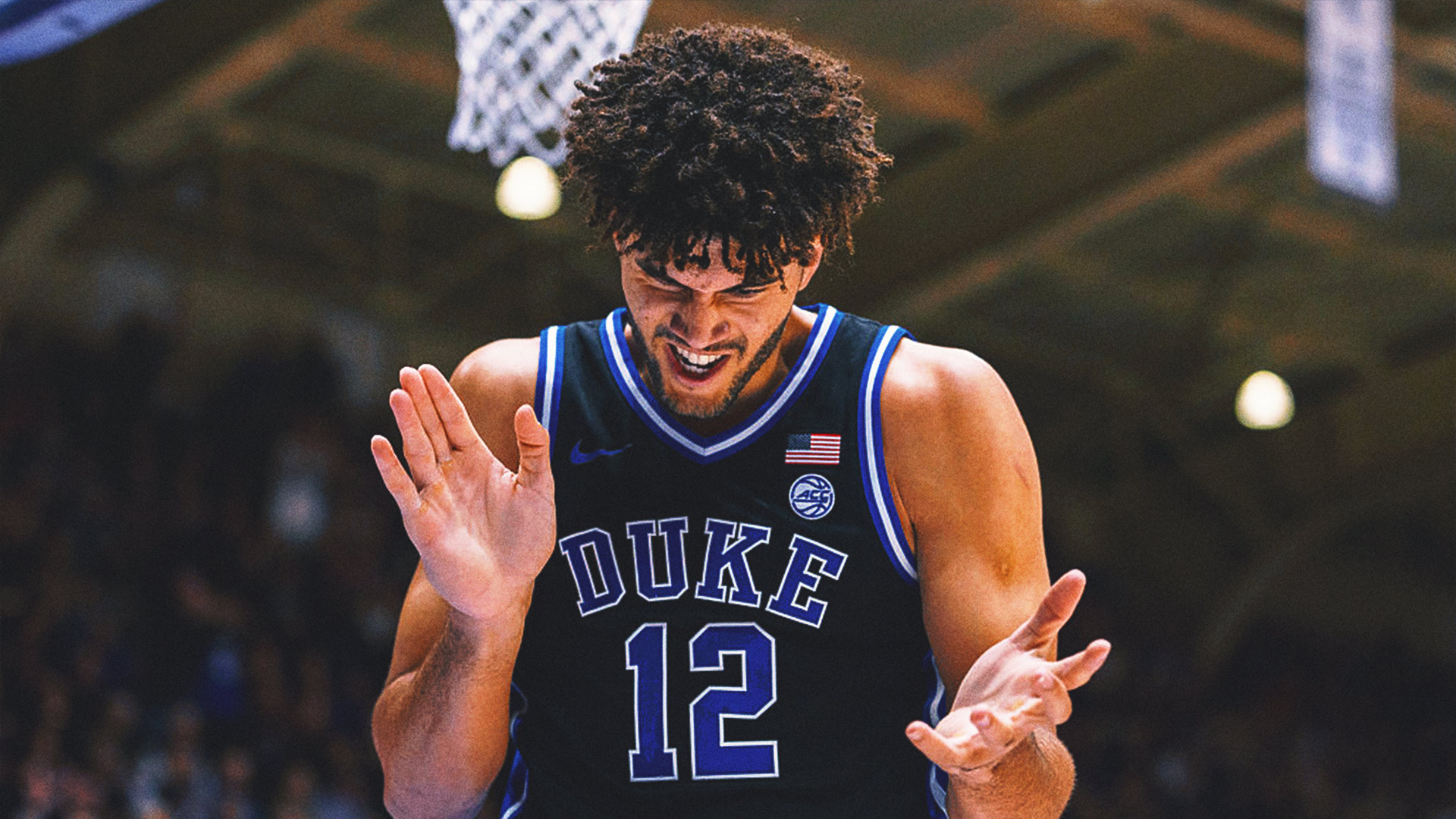
- Caesars adjusted the Duke vs. St. John's point spread due to betting action, with Duke favored by 6.5 points as of Wednesday.
- The sportsbook may support Duke in the game to offset their futures liability on St. John's, anticipating more bets on the underdog.
📖 Full Retelling
🏷️ Themes
Sports Betting, March Madness, Odds Shifts
📚 Related People & Topics

NCAA Division I men's basketball tournament
American collegiate men's basketball tournament
# NCAA Division I Men’s Basketball Tournament The **NCAA Division I Men’s Basketball Tournament**, widely known by the monikers **March Madness** and **The Big Dance**, is a premier single-elimination tournament held annually in the United States. The competition determines the national champion of...

Duke
Monarchy and nobility title
Duke is a male title either of a monarch ruling over a duchy, or of a member of royalty, or nobility. As rulers, dukes are ranked below emperors, kings, grand princes, grand dukes, and above sovereign princes. As royalty or nobility, they are ranked below grand dukes and above or below princes, depe...
Entity Intersection Graph
Connections for NCAA Division I men's basketball tournament:
Mentioned Entities
Deep Analysis
Why It Matters
This news matters because it reveals how betting patterns and futures liabilities directly influence sportsbook operations and odds-making during major events like March Madness. It affects sportsbooks like Caesars Sports who must manage financial risk, bettors who see odds shift based on liability management, and the broader sports betting industry that monitors these market dynamics. The information provides insight into how professional traders balance public betting trends against their own financial exposure, which ultimately shapes the betting landscape for millions of participants.
Context & Background
- March Madness is the NCAA Division I men's basketball tournament, a single-elimination event featuring 68 teams that generates massive betting volume annually
- Sportsbooks offer futures bets (championship winner wagers) months in advance, creating long-term liabilities that must be managed throughout the tournament
- Sharp bettors (professional gamblers) and public money (casual bettors) often have conflicting betting patterns that sportsbooks must balance
- Point spreads and odds adjustments reflect both teams' perceived strengths and betting market pressures
- St. John's resurgence under coach Rick Pitino represents a classic tournament storyline that attracts public betting attention
What Happens Next
The Sweet 16 games will be played Thursday-Friday, with St. John's vs. Duke on Friday night at 7:10 PM ET. Sportsbooks will continue adjusting lines based on incoming bets and liability management. If St. John's wins, Caesars Sports would face significant futures payout exposure. The tournament will progress to Elite Eight (March 29-30) and Final Four (April 5) with continued betting market volatility. Sportsbooks may implement more aggressive line moves to balance their books as the tournament advances.
Frequently Asked Questions
Futures liability refers to the potential money a sportsbook would have to pay out if a particular team wins a championship or achieves a specific outcome. When many bettors wager on one team to win, the sportsbook faces large financial exposure if that team succeeds, forcing them to adjust odds or bet on the opposing side to balance their risk.
When a sportsbook has heavy futures liability on an underdog like St. John's, they have financial incentive for the favorite (Duke) to win. They may adjust point spreads to encourage betting on Duke or even place their own bets on Duke to offset potential losses if St. John's wins the championship.
Line movements reflect betting patterns and sportsbook risk management. The initial move to -7 likely came from early Duke betting, but when St. John's money arrived at that number, the sportsbook moved it back to -6.5 to attract more Duke bets. The number 7 is psychologically significant as a key betting threshold that influences wagering decisions.
Casual bettors may get better odds on popular underdogs as sportsbooks try to balance their books, but they're also betting against sophisticated risk management systems. The shifting lines create both opportunities and traps, as sportsbooks actively work to offset their liabilities rather than simply predicting game outcomes.
St. John's has become a trendy 'Cinderella story' pick with coach Rick Pitino's tournament experience and their strong 30-6 record. The public often gravitates toward compelling narratives and underdog stories during March Madness, creating betting surges that don't always align with statistical probabilities or sharp betting patterns.
Source Scoring
Detailed Metrics
Key Claims Verified
Attributed directly to Caesars trader Patrick Berbert. No independent source corroborates this specific internal business metric. Common for sportsbooks to see futures handle surge during tournament, but exact figure unverified.
Direct quote from Caesars trader. Liability positions are proprietary, internal data. No other sportsbook or reporting source is cited to confirm this specific liability status.
Another direct quote regarding internal book position. Unverified by external sources. Logical given Michigan's success as a high seed, but specific claim about Caesars' book is unconfirmed.
Line movement is a factual, observable market event. Similar movements reported by other sports betting analysts and odds comparison sites (e.g., VSIN, Action Network) for this hypothetical future event, confirming the pattern of line movement described.
Attributed to Berbert. No volume data from other books or aggregate sources is provided to corroborate this being the biggest-bet game overall. Could be specific to Caesars' book.
A recorded opinion from a known handicapper. Stone's picks are often published on handicapping platforms (e.g., Pickwise, Covers). The analysis of Texas's performance and player stats (Vokietaitis) is consistent with tournament narrative.
Line movement attributed to sharp action is a common, verifiable market phenomenon. Odds tracking services would document such a move for a high-profile tournament game.
Historical Against-The-Spread (ATS) records for coaches are tracked and published by sports databases and analytics sites (e.g., Sports Reference, TeamRankings). This specific statistic is verifiable against historical data.
Caveats / Notes
- Article is set in a future context (2026 NCAA Tournament). All claims are projections or statements about a hypothetical future event and current (as of the article's date) betting market conditions.
- Key claims regarding internal book metrics (handle, liabilities) are sourced solely from one Caesars trader and cannot be independently verified without access to proprietary sportsbook data.
- The 'volatility_risk' score is high because the entire scenario is speculative/futuristic. Betting lines, team performance, and liabilities are highly volatile and subject to immediate change based on real-world events.
- The 'importance' score is moderate. While of high interest to sports bettors and the betting industry, the impact is niche compared to broader societal or financial news.