
SP
BravenNow
4 Takeaways From INDYCAR Testing: Mick Schumacher's Oval Education Continues
| USA | sports | ✓ Verified - foxsports.com

4 Takeaways From INDYCAR Testing: Mick Schumacher's Oval Education Continues

#INDYCAR #Phoenix International Raceway #Mick Schumacher #Oval Racing #Aeroscreen #Hybrid Systems #Scott Dixon #Testing

📌 Key Takeaways

  • Mick Schumacher continues his oval education with tests at Homestead and Phoenix
  • Wind conditions presented significant challenges for drivers during testing
  • Developing an upper groove (second racing line) is crucial for competitive racing
  • The 200-300 pound weight difference affects car handling significantly
  • Phoenix track has similar grip but different grandstand positions and start-finish line

📖 Full Retelling

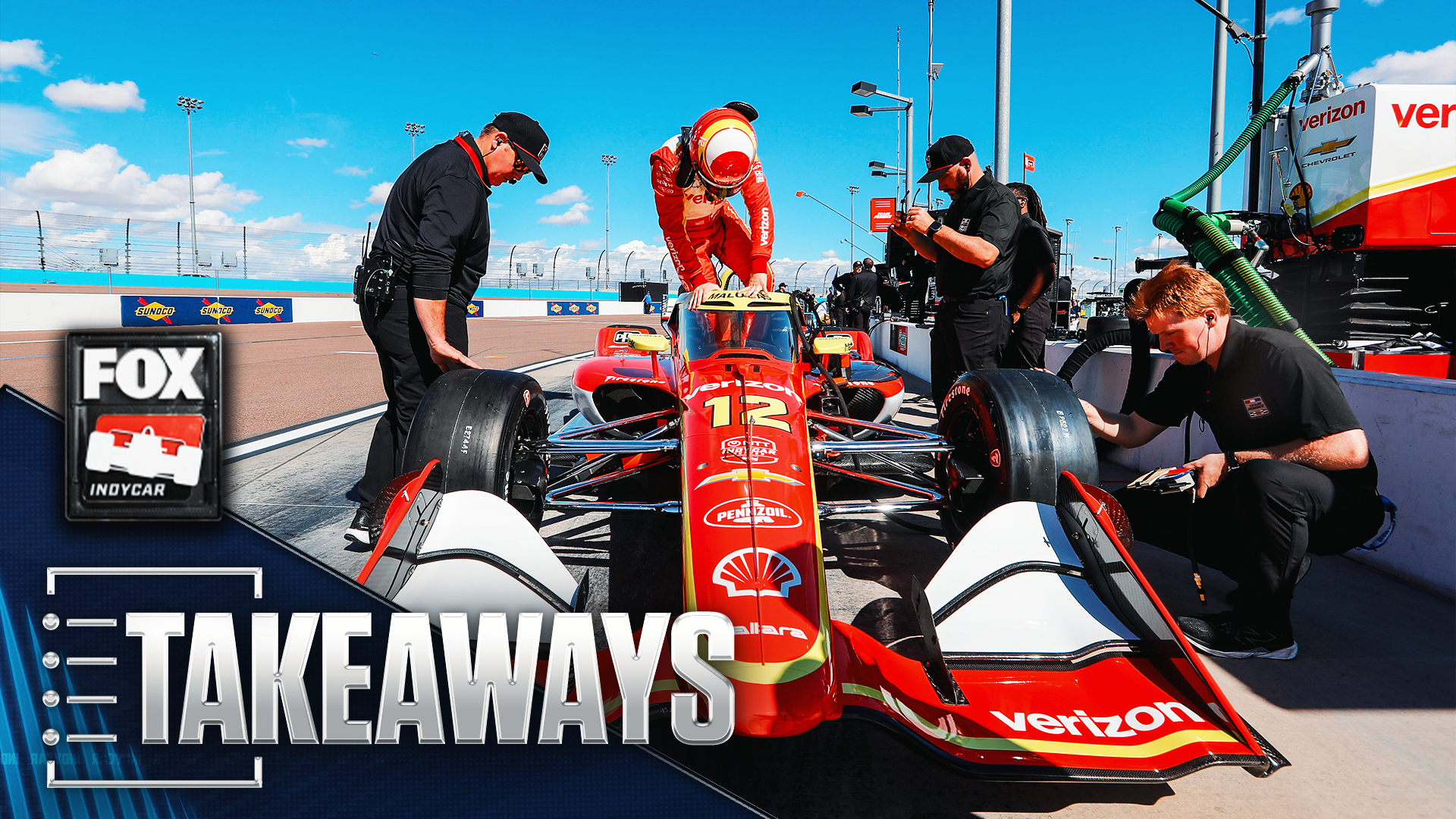
INDYCAR drivers completed a two-day test at Phoenix International Raceway in Avondale, Arizona, as the 2026 season approaches its March 7 opener, with the primary purpose of adapting to the track's changes since the series last raced there in 2018, particularly the new handling characteristics introduced by the aeroscreen and hybrid systems. Six-time INDYCAR champion Scott Dixon, who previously won at Phoenix in 2016, highlighted the significant weight differences of 200-300 pounds that affect the car's performance, noting that while the track maintains similar grip to previous years, the grandstands and start-finish line have been repositioned. The major challenge facing drivers is developing an upper groove that would create a second racing line, potentially crucial for competitive racing in the upcoming season. Former F1 driver Mick Schumacher continued his accelerated education on ovals during this test, building upon his first oval experience at Homestead a couple of weeks prior. The Rahal Letterman Lanigan Racing rookie found confidence from his Homestead test which helped speed up his learning process at Phoenix. "We had the rookie session which was like an hour before everybody else was driving and then half a day in the car was great," Schumacher explained. "Then today, getting in with the cold, cooler conditions has been pretty good and then the wind picked up and it started to become a bit more challenging out there." Despite the challenges, Schumacher remains intrigued by oval racing, describing them as "interesting" while acknowledging he needs more experience to form a complete opinion. The testing conditions varied from sun to wind to rain, providing drivers with comprehensive data on how different weather elements affect the new car package. The emphasis throughout the test remained on understanding how the hybrid systems and aeroscreen combination changes vehicle dynamics compared to the previous iteration of cars. As teams prepare for the season opener, the ability to adapt to these technical changes while mastering the unique characteristics of Phoenix's 1-mile oval will likely determine competitive advantage in the early stages of the 2026 season.

🏷️ Themes

Oval Racing, Driver Development, Technical Adaptation

📚 Related People & Topics

Phoenix Raceway

Phoenix Raceway

Motorsport track in the United States

Phoenix Raceway is a 1.000 mi (1.609 km) dogleg oval track in Avondale, Arizona. The track has held a variety of events since its opening in 1964, including NASCAR, IndyCar, and CART races. It has a seating capacity of 42,000 as of 2019.

View Profile → Wikipedia ↗
Mick Schumacher

Mick Schumacher

German racing driver (born 1999)

Mick Schumacher (German pronunciation: [ˈmɪk ˈʃuːmaxɐ]; born 22 March 1999) is a German racing driver who competes in the IndyCar Series, driving the No. 47 Dallara–Honda for Rahal Letterman Lanigan Racing. Schumacher competed in Formula One from 2021 to 2022, and the FIA World Endurance Championshi...

View Profile → Wikipedia ↗

IndyCar

Auto racing sanctioning body for North American open wheel racing

IndyCar, LLC (stylized as INDYCAR), is an auto racing sanctioning body for American open-wheel car racing headquartered in Indianapolis, Indiana. The organization sanctions two racing series: the premier IndyCar Series with the Indianapolis 500 as its centerpiece, and the developmental series Indy N...

View Profile → Wikipedia ↗
Halo (safety device)

Halo (safety device)

Safety device in open-wheel racing

The halo is a driver crash-protection system used in open-wheel racing series, which consists of a curved bar placed above the driver's head to protect it from injury. The first tests of the halo were carried out in 2016 and in July 2017. Since the 2018 season, the FIA has made the halo mandatory on...

View Profile → Wikipedia ↗

Entity Intersection Graph

No entity connections available yet for this article.

Deep Analysis

Why It Matters

INDYCAR's return to Phoenix after a four-year break highlights the evolving dynamics of oval racing, while Mick Schumacher's oval learning underscores the growing crossover between F1 talent and American open-wheel series.

Context & Background

  • Phoenix International Raceway has not hosted INDYCAR since 2018
  • Hybrid powertrains and aeroscreens have altered car handling on ovals
  • The test focused on rubber buildup and track grip for the upcoming March 7 race

What Happens Next

Teams will use the test data to fine‑tune setups for the season opener, and drivers like Schumacher will continue to adapt to oval racing before the first race

Frequently Asked Questions

Why is oval testing important for INDYCAR?

It allows teams to understand how new car technologies perform on a surface that has not been used in years, ensuring competitive and safe racing.

What did Mick Schumacher say about learning ovals?

He described the experience as interesting and said he is excited to keep learning as he adapts to the different racing style.

What can fans expect from the March 7 race?

Expect tighter racing lines, more emphasis on rubber buildup, and a showcase of how drivers handle the new hybrid and aeroscreen systems.

Original Source
Phoenix International Raceway (Avondale, Ariz.) — INDYCAR drivers enjoyed some sun, some wind and, well not so much, some rain during their two-day test at Phoenix. The series hasn’t competed on the 1-mile oval since 2018, and while the basic car is the same, the aeroscreen and hybrid systems make the handling much different. Drivers say the major factor in whether they will have a good race March 7 is whether an upper groove can have another rubber on the track in order to produce two racing lines. "You're talking 200-300 pounds difference in weight," six–time INDYCAR champion Scott Dixon, who won at Phoenix in 2016, told me. "The track actually itself feels like it has similar grip. The track is the same as when we last raced here. Obviously, the grandstands are in different positions and the start-finish line has moved. "The emphasis on trying to get that second lane in." Here are my takeaways: 1. Mick Schumacher Learning Ovals Former F1 driver Mick Schumacher continued his accelerated education on ovals, and part of that was how the wind impacts the car for the Rahal Letterman Lanigan Racing rookie, who had his first oval test at Homestead a couple of weeks ago. "Confidence coming from Homestead helped that whole scenario a little bit and sped up the process," Schumacher told me. "We had the rookie session [the first day at Phoenix], which was like an hour before everybody else was driving and then half a day in the car was great. "Then today [on Wednesday], getting in with the cold, cooler conditions has been pretty good and then the wind picked up and it started to become a bit more challenging out there." After tests at Homestead and Phoenix, does Schumacher — who has never raced on an oval — like ovals now? "They're interesting," Schumacher said. "I'll have to be racing them to say if I like them, it's obviously a very different type of racing, something I need to get used to, and I'm excited to learn." 2. Opening Statement David Malukas topped the speed cha
Read full article at source

Source

foxsports.com

More from USA

News from Other Countries

🇬🇧 United Kingdom

🇺🇦 Ukraine