
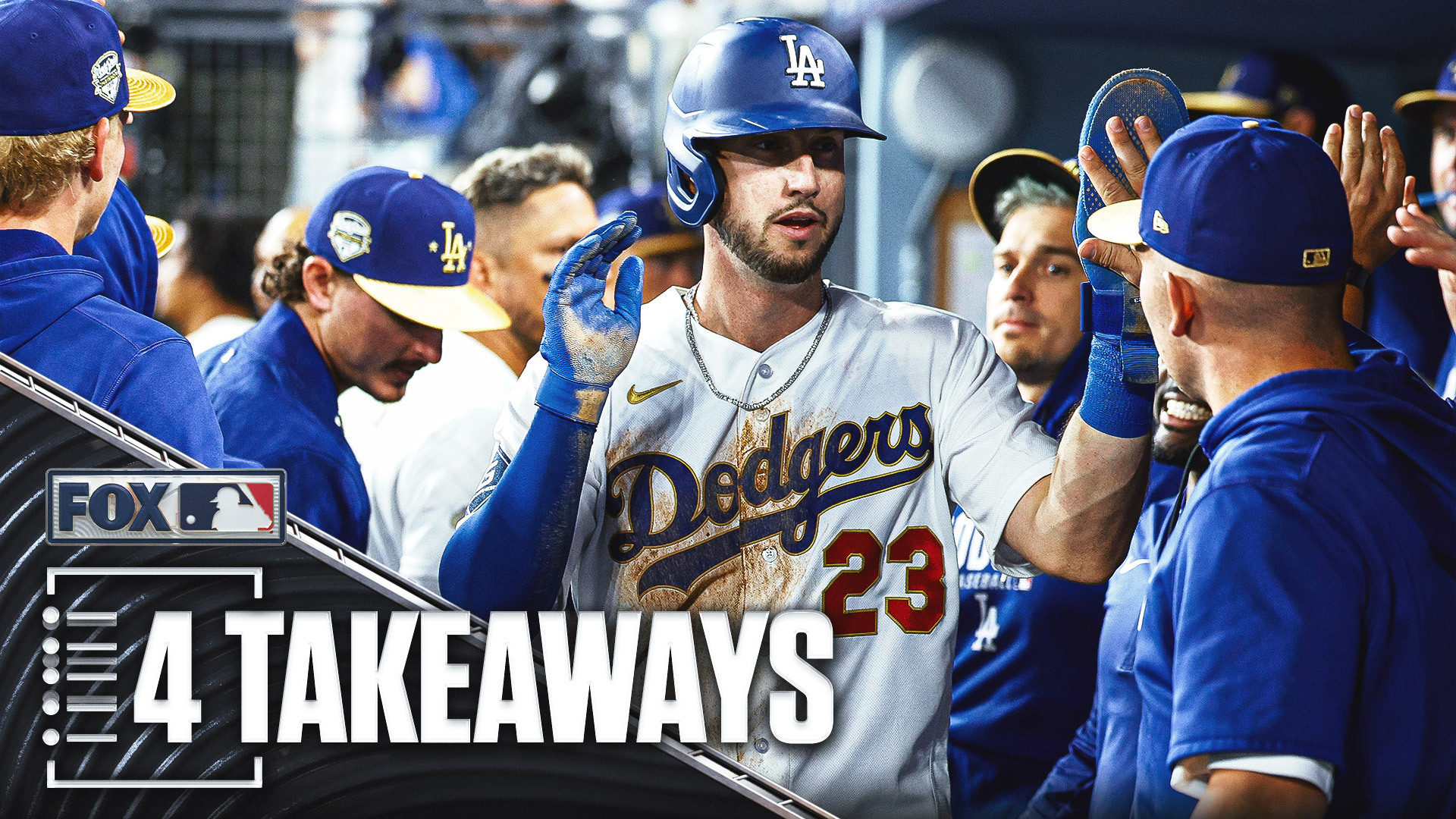
4 Takeaways From MLB Opening Weekend
📖 Full Retelling
Baseball is back, and it looks very different in a few key ways. The way the game is being umpired has drastically changed, while other young stars made a big impact in their debut weekends. Elsewhere, though, a lot has remained the same (the Dodgers are still very good). Here are our takeaways: 1. ABS Takes Over MLB Deesha Thosar: Through the first slate of games, we’ve seen the debut of the Automatic Balls and Strikes (ABS) challenge system bring improved accuracy to MLB. CB Bucknor is a 27-year veteran umpire, but his strike zone was exposed half a dozen times in the Reds’ win over the Red Sox on Saturday. Bucknor had eight calls challenged and a whopping six overturned. No ABS challenge was more electric than Cincinnati slugger Eugenio Suarez’s with two outs and the bases loaded in the sixth inning. Bucknor called a strike three to end the inning, Suarez challenged, the replay showed the pitch was below the zone, the call was overturned, and the at-bat was kept alive. The home crowd in Cincinnati roared in approval. Fans are loving the robot umps. According to Baseball Savant’s new ABS Dashboard, so far, catchers have had a larger success rate (61%) than hitters (46%) in getting calls overturned. Overall, 54% of challenged calls have been overturned. Already, we’ve seen that some have a better understanding of the strike zone than others. Royals catcher Salvador Perez, a 15-year veteran, went 3-for-3 in helmet taps in the Braves’ 6-0 win on Friday. The Marlins, meanwhile, went 0-for-3. Questions persist about when to challenge balls and strikes, particularly if it’s a wasted bullet in non-leverage situations. In the fifth inning of Sunday’s Pirates-Mets game, Pittsburgh's leadoff hitter, Oneil Cruz, challenged a 1-1 called strike from starter Nolan McLean that was upheld after replay review. With only two challenges permitted per team per game, ABS strategies may need to evolve throughout the season to limit more consequential missed calls late in games. 2. Cont
Entity Intersection Graph
No entity connections available yet for this article.
Original Source
Baseball is back, and it looks very different in a few key ways. The way the game is being umpired has drastically changed, while other young stars made a big impact in their debut weekends. Elsewhere, though, a lot has remained the same (the Dodgers are still very good). Here are our takeaways: 1. ABS Takes Over MLB Deesha Thosar: Through the first slate of games, we’ve seen the debut of the Automatic Balls and Strikes (ABS) challenge system bring improved accuracy to MLB. CB Bucknor is a 27-year veteran umpire, but his strike zone was exposed half a dozen times in the Reds’ win over the Red Sox on Saturday. Bucknor had eight calls challenged and a whopping six overturned. No ABS challenge was more electric than Cincinnati slugger Eugenio Suarez’s with two outs and the bases loaded in the sixth inning. Bucknor called a strike three to end the inning, Suarez challenged, the replay showed the pitch was below the zone, the call was overturned, and the at-bat was kept alive. The home crowd in Cincinnati roared in approval. Fans are loving the robot umps. According to Baseball Savant’s new ABS Dashboard, so far, catchers have had a larger success rate (61%) than hitters (46%) in getting calls overturned. Overall, 54% of challenged calls have been overturned. Already, we’ve seen that some have a better understanding of the strike zone than others. Royals catcher Salvador Perez, a 15-year veteran, went 3-for-3 in helmet taps in the Braves’ 6-0 win on Friday. The Marlins, meanwhile, went 0-for-3. Questions persist about when to challenge balls and strikes, particularly if it’s a wasted bullet in non-leverage situations. In the fifth inning of Sunday’s Pirates-Mets game, Pittsburgh's leadoff hitter, Oneil Cruz, challenged a 1-1 called strike from starter Nolan McLean that was upheld after replay review. With only two challenges permitted per team per game, ABS strategies may need to evolve throughout the season to limit more consequential missed calls late in games. 2. Cont
Read full article at source