

A Press Freedom Case in Peril, From a Lawyer Who Helped Write It
#Alan Dershowitz #New York Times v. Sullivan #Supreme Court #Shadow Docket #Press Freedom #Legal Precedent #First Amendment
📌 Key Takeaways
- Alan Dershowitz helped create New York Times v. Sullivan but now wants it revised or overturned
- The 'shadow docket' refers to emergency applications with minimal briefing that produce significant rulings
- The Supreme Court justices prefer 'emergency docket' or 'interim docket' terminology
- New York Times v. Sullivan established important press freedom protections in 1964
📖 Full Retelling
🏷️ Themes
Press Freedom, Legal Precedent, Supreme Court Procedures
📚 Related People & Topics
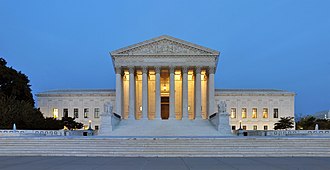
Supreme court
Highest court in a jurisdiction
In most legal jurisdictions, a supreme court, also known as a court of last resort, apex court, high (or final) court of appeal, and court of final appeal, is the highest court within the hierarchy of courts. Broadly speaking, the decisions of a supreme court are binding on all other courts in a nat...

Alan Dershowitz
American lawyer and author (born 1938)
Alan Morton Dershowitz ( DUR-shə-wits; born September 1, 1938) is an American lawyer and law professor known for his work in U.S. constitutional and criminal law. From 1964 to 2013, he taught at Harvard Law School, where he was appointed as the Felix Frankfurter Professor of Law in 1993. Dershowitz ...
Entity Intersection Graph
Connections for Supreme court: