
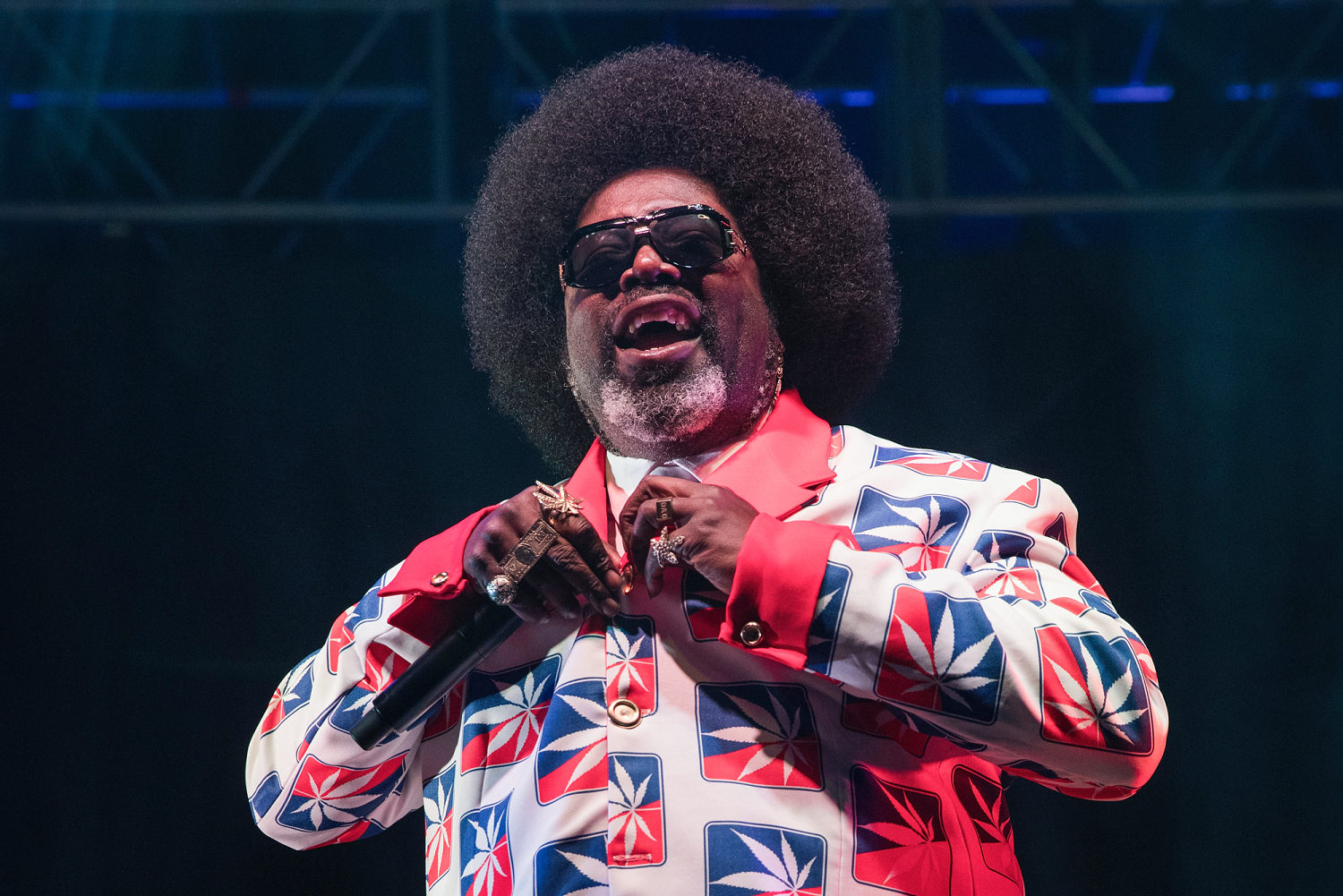
Afroman sued by deputies for music video showing raid of his home, says 'I got freedom of speech'
#Afroman #lawsuit #music video #police raid #First Amendment #privacy #freedom of speech
📌 Key Takeaways
- Afroman is being sued by law enforcement officers for using footage of a raid on his home in a music video.
- The lawsuit claims the video violates the deputies' privacy and portrays them negatively.
- Afroman defends his actions by citing his First Amendment right to freedom of speech.
- The case highlights tensions between artistic expression and privacy rights in the digital age.
📖 Full Retelling
🏷️ Themes
Legal Dispute, Free Speech
📚 Related People & Topics

Afroman
American rapper (born 1974)
Joseph Edgar Foreman (born July 28, 1974), known by his stage name Afroman, is an American rapper and singer. His major label debut, The Good Times (2001), featured the singles "Because I Got High" and "Crazy Rap". He was nominated for a Grammy Award the following year.

First Amendment to the United States Constitution
1791 amendment limiting government restriction of civil liberties
The First Amendment (Amendment I) to the United States Constitution prevents Congress from making laws respecting an establishment of religion; prohibiting the free exercise of religion; or abridging the freedom of speech, the freedom of the press, the freedom of assembly, or the right to petition t...
Entity Intersection Graph
Connections for Afroman:
View full profileMentioned Entities
Deep Analysis
Why It Matters
This case represents a significant First Amendment test at the intersection of law enforcement privacy and artistic expression. It affects musicians, content creators, and law enforcement agencies nationwide by potentially setting precedents for how police actions can be depicted in media. The outcome could influence how public officials balance their privacy rights against public interest in police conduct, particularly during controversial raids. This also impacts citizens' ability to critique law enforcement through creative works, which is especially relevant amid ongoing national conversations about police accountability.
Context & Background
- Afroman (born Joseph Foreman) is a rapper known for his 2001 hit 'Because I Got High' and has maintained a career blending comedy and social commentary
- The raid occurred in August 2022 when Adams County, Ohio sheriff's deputies executed a search warrant at Afroman's home based on suspected drug activity
- Afroman incorporated actual footage from his home security cameras into music videos for songs 'Lemon Pound Cake' and 'Will You Help Me Repair My Door'
- Law enforcement raids of celebrity homes have historically generated controversy, including cases involving other musicians like Lil Wayne and Sean Combs
- Previous legal cases have established that police performing official duties in public have limited privacy expectations, but home raids present unique circumstances
What Happens Next
The lawsuit will proceed through the Adams County Court of Common Pleas with discovery phases likely beginning in the next 3-6 months. Both sides may file motions for summary judgment, with a potential trial date in late 2024 or early 2025 if the case isn't settled. The outcome could potentially be appealed to Ohio's appellate courts regardless of which side prevails, possibly reaching the Ohio Supreme Court given the constitutional questions involved. Meanwhile, Afroman continues to perform and may release additional content related to the incident.
Frequently Asked Questions
The deputies are suing for invasion of privacy, emotional distress, and unauthorized use of their likenesses, claiming Afroman used their images without consent in commercial music videos that portray them negatively during the execution of their official duties.
Generally, police have limited privacy rights when performing public duties, but this case tests boundaries because the footage comes from inside a private home and shows identifiable officers in what they claim is a misleading context. Previous cases have produced mixed results depending on jurisdiction and circumstances.
Afroman will likely rely heavily on First Amendment protections for artistic expression and commentary on matters of public concern. He may also argue the footage constitutes fair use for news reporting or that the officers had diminished privacy expectations while executing a search warrant in his home.
No criminal charges were filed against Afroman following the August 2022 raid, despite deputies seizing cash and marijuana during the search. The lack of charges strengthens his position that the raid was unjustified and supports his artistic commentary about the incident.
If the deputies prevail, it could create chilling effects on artists and journalists who document police interactions, potentially requiring blurring of officer faces or obtaining releases. If Afroman wins, it would strengthen protections for using real footage in artistic works that critique government actions.
This distinguishes the case from typical bystander footage because Afroman owned the cameras and the deputies were inside his private property. This raises unique questions about property rights versus privacy rights during police searches of private residences.