
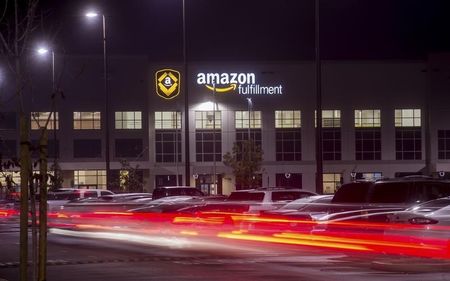
Amazon secures court order blocking Perplexity AI shopping agents - Bloomberg
#Amazon #Perplexity AI #court order #shopping agents #e-commerce #legal dispute #AI tools
📌 Key Takeaways
- Amazon obtained a court order to block Perplexity AI's shopping agents.
- The legal action targets AI tools that may interfere with Amazon's e-commerce operations.
- This reflects Amazon's efforts to protect its market from AI-driven competitive threats.
- The case highlights growing legal tensions between tech giants and AI startups.
🏷️ Themes
Legal Action, AI Competition
📚 Related People & Topics
Perplexity AI
American artificial intelligence company
Perplexity AI, Inc., or simply Perplexity, is an American privately held software company offering a web search engine that processes user queries and synthesizes responses. Perplexity products use large language models and incorporate real-time web search capabilities, providing responses based on ...

Entity Intersection Graph
No entity connections available yet for this article.
Mentioned Entities
Deep Analysis
Why It Matters
This legal action matters because it represents a significant escalation in the battle between e-commerce giants and AI-powered shopping tools that could disrupt traditional retail models. It affects Amazon's competitive position by protecting its marketplace data and customer relationships from automated scraping and comparison shopping. The ruling impacts AI companies like Perplexity that are developing alternative shopping interfaces, potentially limiting consumer choice in how they discover and compare products online. This case could set important precedents for how existing e-commerce platforms can defend against AI-driven competitive threats.
Context & Background
- Amazon has historically taken aggressive legal action against companies it perceives as scraping its product data or creating unauthorized shopping interfaces
- The rise of AI shopping agents represents a new competitive threat to Amazon's dominance by potentially redirecting purchase decisions away from Amazon's platform
- Perplexity AI has been developing AI-powered tools that can search across multiple retailers to find products and compare prices
- This follows similar legal battles where Amazon sued companies like BrightEdge and Jungle Scout for alleged data scraping violations
- The e-commerce industry has seen increasing tension between platform owners and third-party tools that leverage platform data
What Happens Next
Perplexity AI will likely appeal the court order or seek to modify its technology to comply with Amazon's terms of service. Other AI shopping agent developers will closely monitor this case and potentially adjust their own scraping practices. Amazon may pursue similar legal actions against other AI companies developing competitive shopping tools. The court's decision could lead to broader industry discussions about data access rights and fair competition in the AI era.
Frequently Asked Questions
The court order blocks Perplexity AI's shopping agents from accessing Amazon's platform and scraping product data, effectively preventing these AI tools from comparing Amazon products with those from other retailers or providing alternative shopping interfaces to Amazon customers.
Amazon is likely responding to the growing threat of AI shopping agents that could bypass Amazon's marketplace and commission structure. These tools potentially redirect customers to other retailers or provide price comparisons that undermine Amazon's competitive position.
Consumers may find that AI shopping assistants can no longer access Amazon product information or provide comprehensive price comparisons that include Amazon listings. This could limit the usefulness of these tools for finding the best deals across multiple retailers.
Amazon is probably arguing that Perplexity's data scraping violates Amazon's terms of service, constitutes unauthorized access to their systems, and potentially infringes on intellectual property rights related to product listings and customer reviews.
Yes, this case could establish important precedents for how e-commerce platforms can restrict AI companies from accessing their data. Other AI shopping tools and price comparison services may need to reconsider their data collection methods or seek formal partnerships with retailers.
This case highlights the tension between AI innovation and existing platform control. It raises questions about whether AI companies should have fair access to publicly available web data or if platform owners can restrict such access to protect their business models.