

Apache tribe members urge Supreme Court to protect sacred land from U.S. mine deal
#Apache tribe #Supreme Court #sacred land #mine deal #Indigenous rights #land protection #federal land use #religious freedom
📌 Key Takeaways
- Apache tribe members are appealing to the Supreme Court to block a U.S. mine deal on their sacred land.
- The case centers on protecting culturally significant sites from mining operations.
- The dispute involves federal land use agreements that the tribe argues violate their religious rights.
- The outcome could set a precedent for Indigenous land rights and federal resource extraction policies.
📖 Full Retelling
🏷️ Themes
Indigenous Rights, Land Protection, Legal Dispute
📚 Related People & Topics
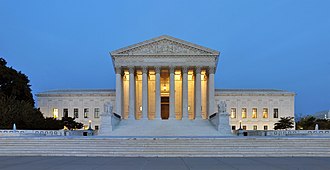
Supreme court
Highest court in a jurisdiction
In most legal jurisdictions, a supreme court, also known as a court of last resort, apex court, high (or final) court of appeal, and court of final appeal, is the highest court within the hierarchy of courts. Broadly speaking, the decisions of a supreme court are binding on all other courts in a nat...
Indigenous rights
Legal, social, or ethical principles pertaining to indigenous peoples
Indigenous rights are those rights that exist in recognition of the specific condition of indigenous peoples. This includes not only the most basic human rights of physical survival and integrity, but also the rights over their land (including native title), language, religion, and other elements of...
Apache
Indigenous peoples of the United States
The Apache ( ə-PATCH-ee) are several Southern Athabaskan language-speaking peoples of the Southwest, the Southern Plains and Northern Mexico. They are linguistically related to the Navajo. They migrated from the Athabascan homelands in the north into the Southwest between 1000 and 1500 CE. Apache ba...
Entity Intersection Graph
Connections for Supreme court:
Mentioned Entities
Deep Analysis
Why It Matters
This case is important because it tests the limits of federal land management authority versus Indigenous religious freedom and sovereignty, affecting the Apache tribe's cultural survival and spiritual practices. It impacts tribal communities nationwide by setting a precedent for how sacred sites on public lands are protected. The outcome could influence future resource extraction projects on lands with cultural significance, balancing economic interests with Indigenous rights.
Context & Background
- The Apache tribe has long-standing historical and spiritual connections to the land in question, often referred to as Oak Flat or Chi'chil Bildagoteel, which is considered sacred for ceremonies and cultural practices.
- The land dispute stems from a 2014 congressional decision that authorized a land swap to transfer Oak Flat to a mining company for a copper mine, bypassing normal environmental and cultural review processes.
- Apache and other Indigenous groups have been fighting the mine for years through protests, legal challenges, and advocacy, arguing it violates the Religious Freedom Restoration Act and treaty rights.
What Happens Next
The Supreme Court will decide whether to hear the case; if it does, arguments could occur in late 2024 or 2025, with a ruling likely by mid-2025. If the Court declines, lower court rulings may stand, potentially allowing the mine to proceed unless further legal or legislative actions are taken. Ongoing advocacy and potential congressional intervention could also influence the outcome, with possible revisions to the land swap legislation.
Frequently Asked Questions
The land is Oak Flat (Chi'chil Bildagoteel) in Arizona, a site sacred to the Apache tribe for ceremonies like coming-of-age rituals, which was included in a land swap for a copper mine under a 2014 congressional rider.
Apache tribe members have appealed to the Supreme Court after lower courts ruled against them, arguing that the land swap and mine violate federal laws protecting religious freedom and tribal rights, seeking judicial intervention to halt the project.
A Supreme Court decision could set a precedent for how sacred sites on public lands are protected, impacting other tribes facing similar threats from resource extraction or development projects across the United States.
Opponents argue the land swap violates the Religious Freedom Restoration Act by substantially burdening Apache religious practices, and that it was enacted without proper environmental or cultural review, infringing on tribal sovereignty and treaty obligations.