
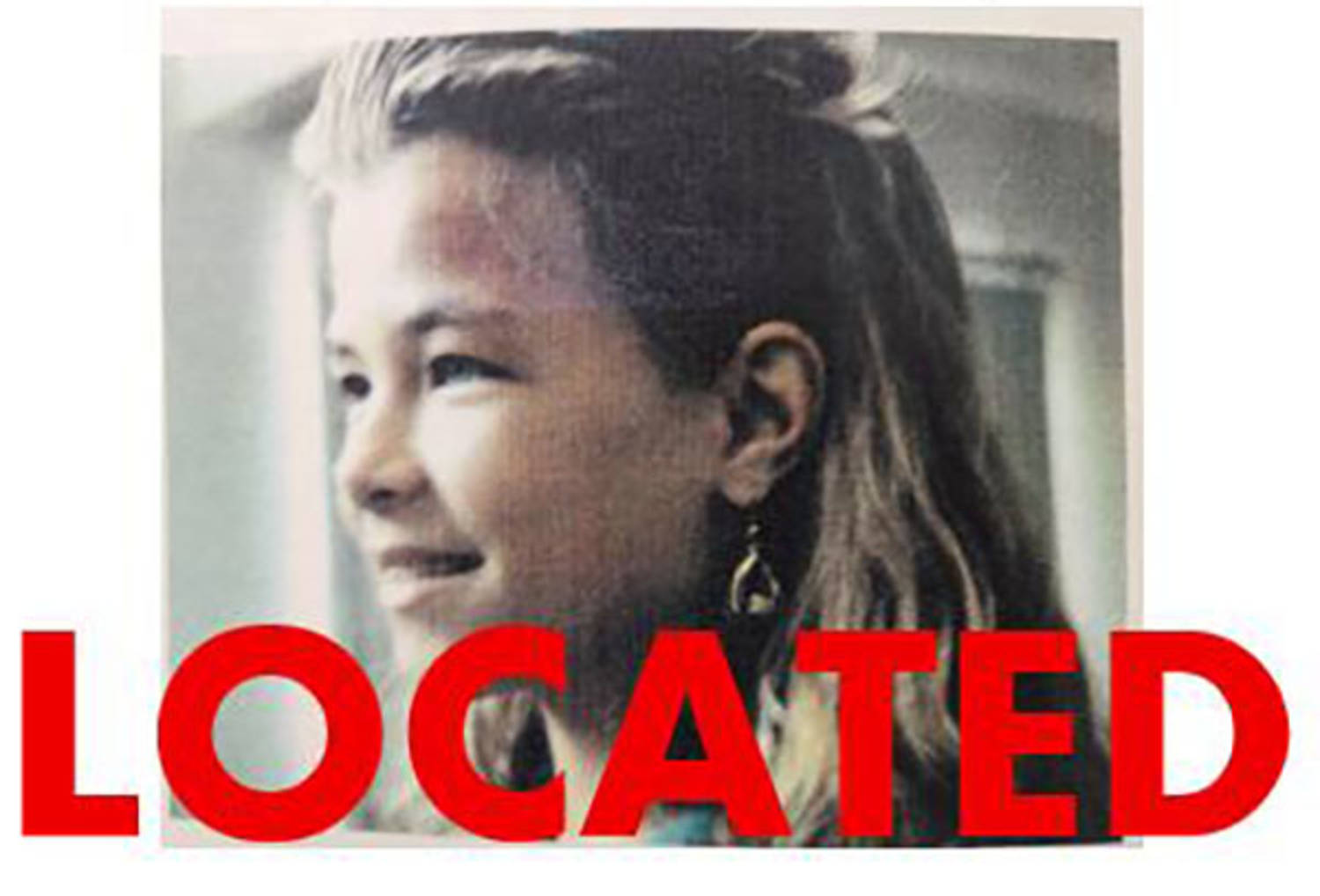
Arizona girl missing since 1994 wasn't kidnapped and didn't want to be found, official says
#Arizona #missing since 1994 #not kidnapped #voluntary disappearance #cold case closed #found safe #missing girl
📌 Key Takeaways
- A girl reported missing in Arizona in 1994 was not kidnapped, according to officials.
- The individual, now an adult, did not wish to be found and was living voluntarily elsewhere.
- The case has been officially closed after the person was located and confirmed safe.
- The resolution highlights cases where missing persons intentionally disappear.
📖 Full Retelling
🏷️ Themes
Missing Persons, Cold Case
📚 Related People & Topics

Arizona
U.S. state
Arizona is a landlocked state in the Southwestern United States, sharing the Four Corners region with Colorado, New Mexico, and Utah. It also borders Nevada to the northwest and California to the west, and shares an international border with the Mexican states of Sonora and Baja California to the so...
Entity Intersection Graph
Connections for Arizona:
Mentioned Entities
Deep Analysis
Why It Matters
This case matters because it resolves a decades-old missing person investigation that consumed significant law enforcement resources and public attention. It affects the family who spent 30 years searching for answers, law enforcement agencies that dedicated resources to the case, and communities that followed the disappearance. The revelation that she wasn't kidnapped but chose to remain hidden raises questions about why someone would disappear voluntarily and what circumstances might lead to such decisions. This outcome also demonstrates how modern investigative techniques can solve cold cases even when the truth differs from initial assumptions.
Context & Background
- The girl disappeared in 1994 during an era with less sophisticated missing person investigation technology and databases
- Long-term missing person cases often generate extensive media coverage and community searches over decades
- Voluntary disappearances represent a significant percentage of missing person cases, though they're less publicized than abductions
- Cold case investigations have been revolutionized by DNA technology, digital records, and improved inter-agency cooperation
- The 1990s saw numerous high-profile child abduction cases that shaped public perception of missing children risks
What Happens Next
Law enforcement will likely close the official investigation now that the individual has been located and confirmed safe. The woman may choose to reconnect with family or maintain her privacy, with authorities respecting her wishes. This case may prompt review of other long-term missing person cases with similar circumstances. Media attention may shift to understanding her reasons for disappearing and how she managed to remain undetected for three decades.
Frequently Asked Questions
People may choose to disappear due to family conflicts, personal crises, mental health issues, or desire for a fresh start. In some cases, individuals feel trapped in their current circumstances and see disappearance as their only option. Maintaining such a disappearance requires careful planning and often involves creating a new identity.
Modern investigative techniques likely played a role, including DNA databases, digital records searches, or routine checks that matched her information. Law enforcement agencies have improved systems for tracking individuals across jurisdictions and time periods. Sometimes voluntary reappearance or accidental discovery solves these long-term cases.
Cases are typically closed once the person is confirmed safe and their whereabouts documented. Law enforcement respects the individual's privacy rights if no crimes were committed. Resources can then be redirected to other unsolved cases while maintaining records for future reference.
Voluntary disappearances are actually more common than abductions in missing person statistics. Most missing persons cases resolve quickly when people return voluntarily. High-profile abduction cases receive disproportionate media attention compared to more common voluntary disappearances.
If no crimes were committed in her disappearance, there are likely no legal consequences for the woman. However, if she used false identification or committed fraud to maintain her new life, those could be separate legal matters. The primary concern is typically confirming her safety and well-being rather than pursuing charges.