
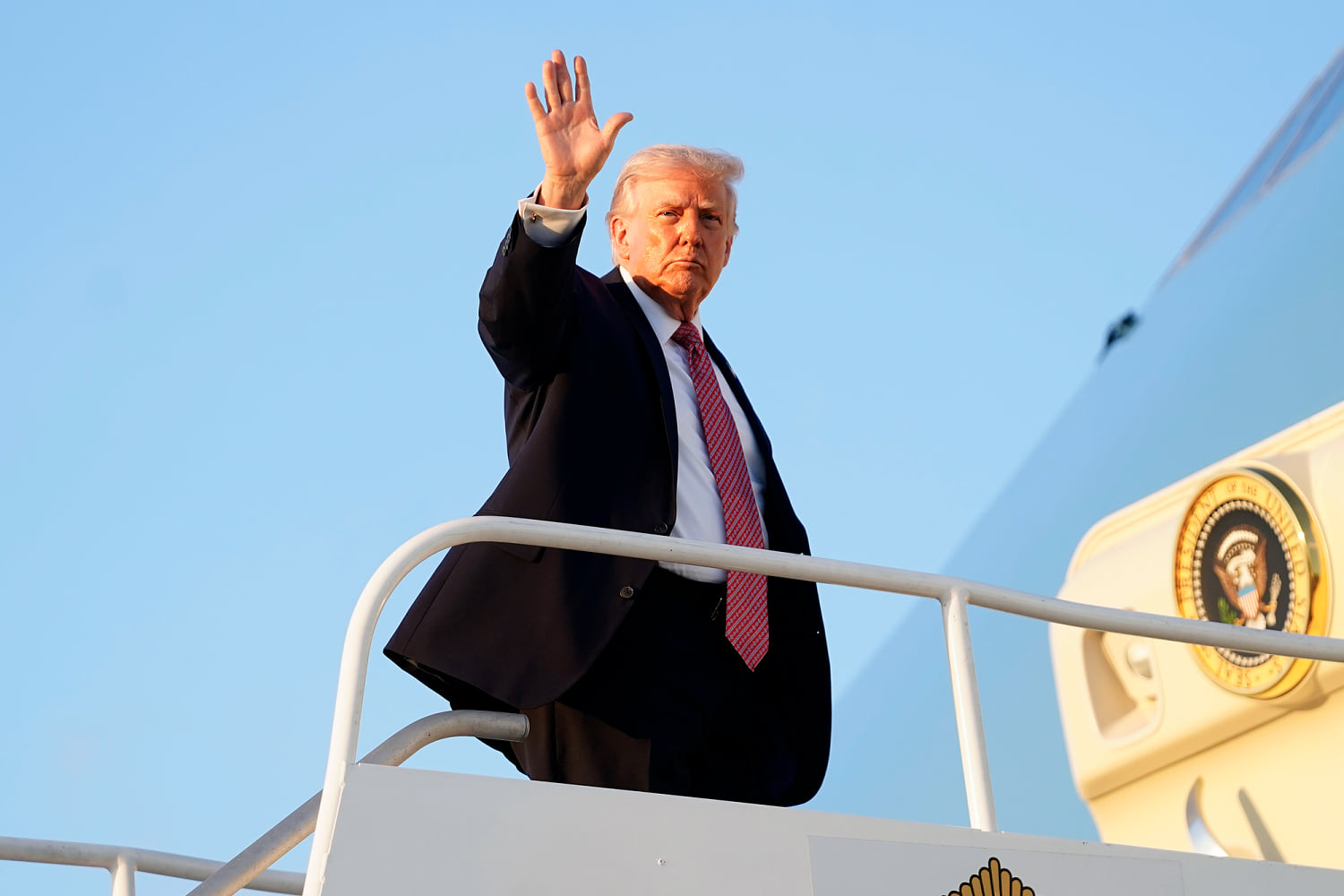
As Americans bear costs of the Iran war and DHS shutdown, politicians leave town
📖 Full Retelling
📚 Related People & Topics

2026 United States federal government shutdowns
Two shutdowns of the U.S. federal government have occurred in 2026, both arising from disputes in Congress about reforms to federal immigration enforcement after the killing of Alex Pretti by Customs and Border Protection (CBP) agents. The first shutdown lasted four days from January 31 to February ...
List of wars involving Iran
This is a list of wars involving the Islamic Republic of Iran and its predecessor states. It is an unfinished historical overview.
Entity Intersection Graph
Connections for 2026 United States federal government shutdowns:
Mentioned Entities
Deep Analysis
Why It Matters
This news highlights a critical disconnect between political leadership and public burden during simultaneous national crises. It matters because Americans are experiencing tangible consequences from both military engagement abroad and domestic government dysfunction while their elected representatives appear disengaged. This affects military families, federal employees facing uncertainty, and all citizens who rely on homeland security functions. The situation erodes public trust in government responsiveness and accountability during times of collective hardship.
Context & Background
- The Department of Homeland Security (DHS) was created after 9/11 to consolidate national security functions, making shutdowns particularly disruptive to border security, immigration enforcement, and emergency response
- U.S.-Iran tensions have persisted for decades since the 1979 Iranian Revolution, with recent escalations following the U.S. withdrawal from the Iran nuclear deal in 2018
- Government shutdowns have become increasingly frequent budgetary tactics, with the longest occurring in 2018-2019 lasting 35 days
- Congressional recess periods are scheduled breaks, but lawmakers often face criticism for timing them during unresolved crises
What Happens Next
Federal employees may face delayed paychecks or furloughs if the DHS shutdown persists through the next funding deadline. Military deployments and operations related to Iran will continue under existing authorizations. Public pressure will likely mount for Congress to reconvene early, potentially leading to emergency sessions. The situation may influence upcoming elections as voters assess political responsiveness to dual crises.
Frequently Asked Questions
Americans bear both human costs through military deployments and potential casualties, and financial costs through defense spending that could exceed billions annually. These resources are diverted from domestic priorities while creating regional instability that affects global markets and security.
A DHS shutdown disrupts airport security screening, border patrol operations, immigration processing, and emergency response coordination. Travelers face longer wait times, while communities experience reduced enforcement and delayed disaster preparedness activities during this period.
Politicians follow scheduled recess periods for district work and campaigning, but these breaks often conflict with unresolved governance issues. The timing creates perceptions of abandonment, though some lawmakers maintain that constituent work during recess informs their policy decisions.
Essential DHS employees continue working without immediate pay, while non-essential personnel are furloughed. All face financial uncertainty until funding resumes, though Congress has historically approved back pay for affected workers once shutdowns end.
The president can deploy forces under existing Authorizations for Use of Military Force and as commander-in-chief, but prolonged engagements technically require congressional approval. This constitutional tension between executive and legislative war powers frequently surfaces during overseas conflicts.