
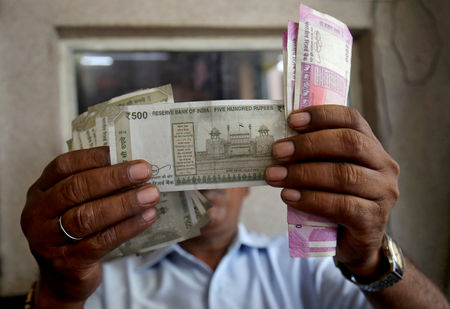
Asia FX, dollar steady as traders weigh Iran war signals; rupee near record low
#Asia FX #dollar #Iran #rupee #record low #traders #geopolitical risk
📌 Key Takeaways
- Asian currencies and the dollar remain stable as markets assess geopolitical risks from Iran.
- The Indian rupee is approaching a record low amid ongoing market pressures.
- Traders are closely monitoring signals related to potential conflict involving Iran.
- Market sentiment is cautious, balancing currency movements with geopolitical developments.
🏷️ Themes
Geopolitics, Currency Markets
📚 Related People & Topics

Iran
Country in West Asia
# Iran **Iran**, officially the **Islamic Republic of Iran** and historically known as **Persia**, is a sovereign country situated in West Asia. It is a major regional power, ranking as the 17th-largest country in the world by both land area and population. Combining a rich historical legacy with a...
Entity Intersection Graph
Connections for Iran:
Mentioned Entities
Deep Analysis
Why It Matters
This news matters because currency stability in Asia affects global trade flows, investment decisions, and economic planning for billions of people. The Indian rupee's weakness near record lows impacts import costs, inflation, and foreign debt servicing for India's 1.4 billion population. Traders weighing Iran war signals reflects how geopolitical tensions in the Middle East can trigger capital flight from emerging markets, affecting developing economies across Asia.
Context & Background
- Asian currencies have been under pressure since 2022 due to aggressive U.S. Federal Reserve interest rate hikes that strengthened the dollar
- The Indian rupee has faced persistent depreciation pressure since 2013, hitting multiple record lows amid current account deficits and capital outflows
- Iran-Israel tensions have escalated since April 2024, creating volatility in oil markets and safe-haven flows to the U.S. dollar
- Many Asian central banks have been intervening in currency markets to prevent excessive volatility that could destabilize their economies
What Happens Next
Traders will monitor upcoming U.S. inflation data (May 15) and Federal Reserve meeting minutes (May 22) for dollar direction clues. The Reserve Bank of India will likely intervene more aggressively if the rupee breaches 83.50/USD. Asian central banks may coordinate statements or actions if regional currency weakness accelerates, potentially ahead of the June 11-13 G7 summit where currency stability may be discussed.
Frequently Asked Questions
A weaker rupee makes imports like oil, electronics, and medicines more expensive, fueling inflation. It also increases the cost of servicing India's foreign debt and can discourage foreign investment, potentially slowing economic growth and job creation.
Geopolitical tensions in the Middle East typically boost safe-haven demand for the U.S. dollar while increasing oil price volatility. Since most Asian economies are net oil importers, this creates a double burden of stronger dollars and potentially higher energy costs, pressuring their currencies.
Central banks can directly intervene by selling dollar reserves, raise interest rates to attract capital inflows, implement capital controls, or coordinate with other central banks. However, these measures have limits and trade-offs with domestic economic growth objectives.
The dollar often strengthens during global uncertainty as investors seek safe-haven assets. However, it may remain 'steady' rather than surge if traders believe the Federal Reserve might cut rates later in 2024, or if other factors like U.S. economic data provide conflicting signals.
Currencies of countries with high foreign debt, current account deficits, or political instability are typically most vulnerable. Besides the Indian rupee, the Indonesian rupiah, Philippine peso, and Vietnamese dong often face pressure during risk-off periods due to their economies' external vulnerabilities.