
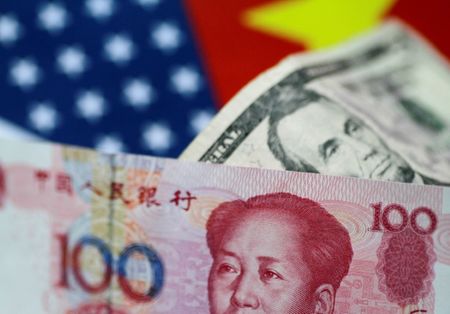
Asia FX slides as dollar surges on Iran oil shock; China CPI hits 3-yr high
#Asia FX #US dollar #Iran oil shock #China CPI #inflation #geopolitical tensions #oil markets #financial stability
📌 Key Takeaways
- Asian currencies decline due to a stronger US dollar driven by oil price shocks from Iran.
- China's Consumer Price Index (CPI) reaches its highest level in three years, indicating rising inflation.
- The surge in the dollar is linked to geopolitical tensions affecting oil markets.
- The combination of dollar strength and inflation pressures impacts regional financial stability.
🏷️ Themes
Currency Markets, Inflation
📚 Related People & Topics

United States dollar
Currency of the United States
The United States dollar (symbol: $; currency code: USD) is the official currency of the United States and several other countries. The Coinage Act of 1792 introduced the U.S. dollar at par with the Spanish silver dollar, divided it into 100 cents, and authorized the minting of coins denominated in ...
Entity Intersection Graph
Connections for United States dollar:
Mentioned Entities
Deep Analysis
Why It Matters
This news matters because it signals significant economic stress across Asia, where weakening currencies against the dollar increase import costs and debt burdens for governments and businesses. The combination of surging oil prices from geopolitical tensions and rising inflation in China—the region's economic engine—threatens to slow growth and reduce consumer purchasing power. This affects millions of consumers through higher prices, exporters facing competitive disadvantages, and policymakers grappling with inflation control versus growth support.
Context & Background
- Asian currencies have historically been sensitive to dollar strength, often tied to U.S. Federal Reserve policy shifts and global risk sentiment.
- Iran is a major oil producer, and supply disruptions in the Middle East typically trigger global oil price spikes, impacting energy-importing economies like China, India, and Japan.
- China's Consumer Price Index (CPI) is a key inflation gauge, and sustained highs can prompt monetary tightening, affecting global commodity demand and supply chains.
What Happens Next
Central banks in Asia may intervene in currency markets or consider interest rate adjustments to stabilize their currencies and curb inflation. China could implement measures to cool price rises, such as releasing strategic reserves or adjusting monetary policy. Further developments in Middle East tensions will be closely watched, as escalation could prolong oil market volatility into late 2024.
Frequently Asked Questions
A stronger dollar makes dollar-denominated imports and debt more expensive for Asian countries, increasing costs for businesses and governments. It also can lead to capital outflows as investors seek higher returns in U.S. assets, further weakening local currencies.
High inflation in China can reduce consumer spending and demand for imports from trading partners, slowing regional trade. It may also lead China to export inflation through higher prices for goods, impacting global supply chains.
The 'Iran oil shock' refers to sudden disruptions in oil supply from Iran due to geopolitical tensions or conflicts, which drive up global oil prices. This increases costs for energy-importing nations, contributing to inflationary pressures and economic uncertainty.