
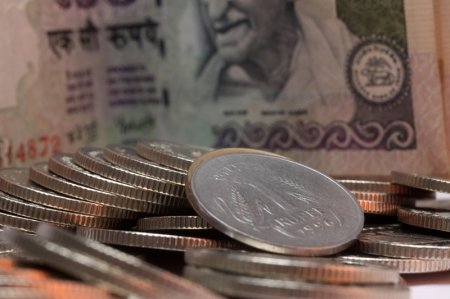
Asia FX weakens, Indian rupee at record low as Iran war keeps oil jitters in play
#Asia FX #Indian rupee #record low #Iran conflict #oil prices #currency weakness #geopolitical tensions
📌 Key Takeaways
- Asian currencies are weakening due to geopolitical tensions.
- The Indian rupee has hit a record low amid market volatility.
- The conflict involving Iran is causing concerns over oil supply stability.
- Rising oil prices are contributing to currency pressures in the region.
🏷️ Themes
Geopolitical Risk, Currency Markets
📚 Related People & Topics
List of wars involving Iran
This is a list of wars involving the Islamic Republic of Iran and its predecessor states. It is an unfinished historical overview.

Indian rupee
Currency of India
The Indian rupee (symbol: ₹; code: INR) is the official currency of India. The rupee is subdivided into 100 paise (singular: paisa). The issuance of the currency is controlled by the Reserve Bank of India.
Entity Intersection Graph
Connections for List of wars involving Iran:
Mentioned Entities
Deep Analysis
Why It Matters
This news matters because rising oil prices due to Middle East tensions directly impact Asian economies that are major energy importers, particularly India which imports over 80% of its oil. Higher oil prices increase import bills, widen trade deficits, and fuel inflation in these countries, potentially forcing central banks to maintain higher interest rates for longer. This affects millions of consumers through higher fuel and transportation costs while also reducing corporate profitability and economic growth prospects across the region.
Context & Background
- Asian currencies have been under pressure throughout 2024 due to persistent high U.S. interest rates that strengthen the dollar
- India has been running significant trade deficits for years, with oil imports being the largest component of its import bill
- Previous Middle East conflicts have typically caused oil price spikes of 10-30% depending on the scale and duration of hostilities
- The Indian rupee has been gradually weakening against the dollar for over a decade, falling from around 45 rupees per dollar in 2011 to current record lows above 83
- Many Asian central banks have been intervening in currency markets to prevent excessive depreciation that could trigger capital outflows
What Happens Next
Asian central banks will likely increase market interventions to stabilize their currencies, with India's RBI expected to sell dollars from its reserves. Oil prices may remain volatile for weeks depending on whether the Iran-Israel conflict escalates or de-escalates. Several Asian countries including India may consider temporary fuel subsidies or tax cuts to cushion consumers from price shocks. The situation could influence upcoming monetary policy decisions, potentially delaying expected interest rate cuts in affected economies.
Frequently Asked Questions
Middle East conflicts typically drive up global oil prices, and since most Asian economies are net oil importers, higher energy costs increase their import bills and trade deficits. This puts downward pressure on their currencies as more dollars are needed to pay for expensive oil imports.
A weaker rupee makes imports more expensive, fueling inflation particularly for oil and electronics. While it makes exports cheaper, the benefit is often offset by higher input costs for manufacturers who rely on imported components and raw materials.
The Reserve Bank of India can intervene directly by selling dollars from its foreign exchange reserves. The government could also attract foreign investment through policy reforms or issue special bonds to non-resident Indians to bring in dollar inflows.
Countries with large oil import dependencies like Thailand, Philippines, and South Korea are particularly vulnerable. Japan is also affected despite being a developed economy because it imports nearly all its energy requirements.
Currency pressure could persist for months if oil prices remain elevated and the U.S. Federal Reserve maintains high interest rates. The duration depends on how quickly Middle East tensions ease and whether Asian economies can attract sufficient foreign capital inflows.