
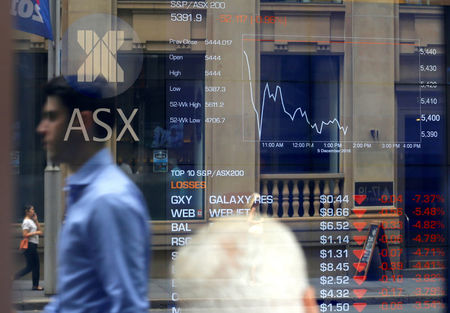
Australia stocks lower at close of trade; S&P/ASX 200 down 0.11%
#Australia stocks #S&P/ASX 200 #market close #stock index #trading session
📌 Key Takeaways
- S&P/ASX 200 index closed 0.11% lower
- Australian stock market ended the trading session in negative territory
- The decline reflects modest losses across the market
- Overall market sentiment was bearish at the close
🏷️ Themes
Stock Market, Market Performance
Entity Intersection Graph
No entity connections available yet for this article.
Deep Analysis
Why It Matters
This minor market decline reflects investor sentiment and economic conditions in Australia, affecting retirement funds, investment portfolios, and business confidence. While a 0.11% drop is relatively small, it indicates broader market trends that can influence consumer spending and corporate investment decisions. The movement matters to individual investors, pension funds, and companies considering capital raising or expansion plans.
Context & Background
- The S&P/ASX 200 is Australia's primary stock market index comprising the 200 largest companies listed on the Australian Securities Exchange
- Australian markets are heavily influenced by commodity prices, particularly iron ore, coal, and natural gas exports to China and other Asian markets
- The Reserve Bank of Australia has maintained relatively high interest rates compared to other developed economies to combat inflation
- Australian markets typically follow overnight movements in US markets due to time zone differences and global financial integration
What Happens Next
Analysts will monitor upcoming economic data including Australian employment figures and inflation reports. The market will likely respond to the next Reserve Bank of Australia interest rate decision and any changes in China's economic policies affecting Australian exports. US Federal Reserve decisions and global commodity price movements will continue to influence Australian market direction in the coming weeks.
Frequently Asked Questions
A 0.11% decline represents a very modest drop in the overall value of Australia's 200 largest listed companies. For perspective, if the index was at 7,800 points, this would represent a decrease of approximately 8.6 points. Such small movements are common and typically reflect normal market fluctuations rather than significant economic events.
Most Australian superannuation funds have significant exposure to Australian shares. A 0.11% market decline would typically result in a very small decrease in the value of growth-oriented super funds, though the impact is usually minimal for balanced or conservative funds with lower equity allocations. Over the long term, such minor daily fluctuations have little impact on retirement savings.
No, a 0.11% decline is well within normal daily trading ranges and doesn't indicate any market distress. Professional investors consider movements under 1% as relatively insignificant for daily trading. Concern would only be warranted if this were part of a sustained downward trend or accompanied by negative economic news.
The ASX 200 is heavily weighted toward financials (banks), materials (mining companies), and healthcare stocks. Movements are often driven by changes in commodity prices (especially iron ore and coal), banking sector news, healthcare developments, and global market sentiment. The 'Big Four' Australian banks alone account for approximately 20% of the index weighting.