

Axel Springer Agrees to Buy U.K.’s Telegraph
#Axel Springer #The Telegraph #acquisition #UK media #newspaper #German company #media landscape
📌 Key Takeaways
- Axel Springer has reached an agreement to acquire The Telegraph, a major UK newspaper.
- The deal involves Axel Springer, a German media giant, expanding its international portfolio.
- The acquisition marks a significant move in the European media landscape.
- The Telegraph, known for its conservative editorial stance, will change ownership.
📖 Full Retelling
🏷️ Themes
Media Acquisition, International Business
📚 Related People & Topics
The Telegraph
Topics referred to by the same term
The Telegraph, Daily Telegraph, Sunday Telegraph and other variant names are often names for newspapers.
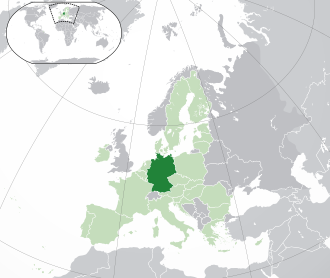
List of companies of Germany
Germany is a federal parliamentary republic in central-western Europe. Germany has the world's 3rd largest economy by nominal GDP, and the 5th largest by PPP. As a global leader in several industrial and technological sectors, it is both the world's third-largest exporter and importer of goods. Of t...

Axel Springer
German publisher (1912–1985)
Axel Cäsar Springer (2 May 1912 – 22 September 1985) was a German publisher and founder of what is now Axel Springer SE, the largest media publishing firm in Europe. By the early 1960s his print titles dominated the West German daily press market. His Bild Zeitung became the nation's tabloid.

Mass media in the United Kingdom
There are several different types of mass media in the United Kingdom: television, radio, newspapers, magazines and websites. The United Kingdom is known for its large music industry, along with its new and upcoming artists. The country also has a large broadcasting, film, video games and book publi...
Entity Intersection Graph
Connections for The Telegraph:
Mentioned Entities
Deep Analysis
Why It Matters
This acquisition matters because it represents a major consolidation in the global media landscape, transferring ownership of one of Britain's most influential newspapers from British to German hands. It affects Telegraph readers who may see changes in editorial direction, employees facing potential restructuring, and the broader UK media market where foreign ownership of national institutions raises cultural and political questions. The deal also signals Axel Springer's continued international expansion beyond its German base, potentially reshaping competitive dynamics in European journalism.
Context & Background
- The Telegraph was founded in 1855 and has been owned by the Barclay family since 2004 through offshore holding companies
- Axel Springer is Germany's largest digital publishing house, known for Bild and Die Welt, and has been expanding internationally with previous acquisitions like Politico and Business Insider
- The Telegraph has faced financial challenges in recent years, including a debt crisis that led to Lloyds Banking Group seizing control in 2023 before this sale process began
- UK media ownership rules require government approval for foreign takeovers of newspapers, with specific 'public interest' tests regarding accurate news presentation and free expression
What Happens Next
The deal will require regulatory approval from the UK government's Department for Culture, Media and Sport, with a decision expected within 3-6 months. If approved, integration will begin in late 2024, potentially including editorial leadership changes and digital platform consolidation. Watch for potential competing bids or legal challenges from other interested parties like DMGT or National World during the approval period.
Frequently Asked Questions
Axel Springer seeks to expand its English-language portfolio and global influence, having already acquired Politico and Business Insider. The Telegraph provides established brand recognition and access to conservative-leaning audiences that complement their existing properties.
While Axel Springer has stated it will respect the Telegraph's editorial independence, historical precedent suggests some alignment may occur over time. The Telegraph's traditionally conservative viewpoint could potentially moderate or shift focus toward more European perspectives.
Initial statements suggest no immediate layoffs, but acquisitions typically lead to restructuring in overlapping functions like digital operations and administration. Key editorial positions may see changes as new management implements their strategy.
This reduces British ownership of major national newspapers and could influence competitive dynamics, particularly if Axel Springer integrates Telegraph content with its other international properties. Rival publishers may face pressure to consolidate or seek similar international partnerships.
The deal requires approval under the UK's Enterprise Act 2002, with specific media public interest considerations regarding accurate news presentation, free expression, and plurality of views. The government could impose conditions or block the sale entirely.