
Benjamin Netanyahu says "moment of truth is approaching" in Iran war
#Benjamin Netanyahu #Iran #war #moment of truth #Middle East #conflict #escalation
📌 Key Takeaways
- Benjamin Netanyahu warns of an imminent critical phase in the Iran conflict
- The statement suggests escalating tensions or potential military action
- Netanyahu frames the situation as a decisive turning point
- The remarks highlight ongoing geopolitical instability in the Middle East
📖 Full Retelling
🏷️ Themes
Geopolitical Tension, Military Conflict
📚 Related People & Topics

Iran
Country in West Asia
# Iran **Iran**, officially the **Islamic Republic of Iran** and historically known as **Persia**, is a sovereign country situated in West Asia. It is a major regional power, ranking as the 17th-largest country in the world by both land area and population. Combining a rich historical legacy with a...

Middle East
Transcontinental geopolitical region
The Middle East is a geopolitical region encompassing the Arabian Peninsula, Egypt, Iran, Iraq, the Levant, and Turkey. The term came into widespread usage by Western European nations in the early 20th century as a replacement of the term Near East (both were in contrast to the Far East). The term ...
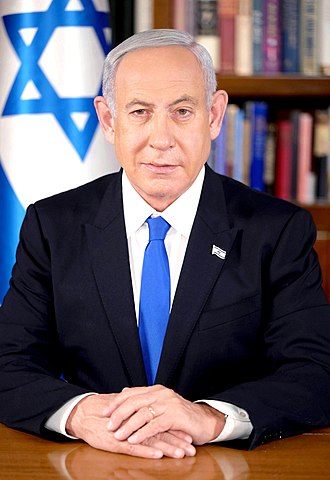
Benjamin Netanyahu
Prime Minister of Israel (1996–1999; 2009–2021; since 2022)
Benjamin "Bibi" Netanyahu (born 21 October 1949) is an Israeli politician and diplomat who has served as Prime Minister of Israel since 2022. Having previously held office from 1996 to 1999 and from 2009 to 2021, Netanyahu is Israel's longest-serving prime minister. Born in Tel Aviv, Netanyahu was r...
Entity Intersection Graph
Connections for Iran:
Mentioned Entities
Deep Analysis
Why It Matters
This statement matters because it signals potential escalation in one of the world's most volatile geopolitical conflicts, directly affecting regional stability and global security. It impacts Israel's security, Iran's nuclear ambitions, and could draw in regional powers like Saudi Arabia and international actors including the United States and European nations. The timing suggests Israel may be considering military action against Iran's nuclear facilities, which would have catastrophic consequences for Middle East peace and global energy markets.
Context & Background
- Israel and Iran have been engaged in a shadow war for decades, with Iran supporting proxy groups like Hezbollah and Hamas against Israel
- Iran has been advancing its nuclear program despite international sanctions and the 2015 JCPOA nuclear deal that collapsed in 2018
- Israel has conducted numerous covert operations against Iranian nuclear scientists and facilities, including the Stuxnet cyberattack in 2010
- The U.S. maintains close military ties with Israel but has been reluctant to support direct military action against Iran's nuclear program
- Regional tensions have escalated since Hamas's October 7 attack on Israel and subsequent Gaza conflict
What Happens Next
Increased diplomatic activity at UN Security Council and among Western allies to prevent escalation, potential covert operations against Iranian nuclear facilities, possible Israeli airstrikes if diplomatic efforts fail, and heightened military readiness in the region. The coming weeks may see emergency meetings between Israeli and U.S. defense officials, while Iran likely responds with threats and possible proxy attacks against Israeli interests abroad.
Frequently Asked Questions
The timing likely relates to Iran's advancing nuclear capabilities reaching potential breakout thresholds, combined with regional instability from the Gaza conflict. Netanyahu may be signaling to both domestic and international audiences that Israel is prepared to act unilaterally if diplomatic solutions fail.
A direct conflict would involve Israeli airstrikes on Iranian nuclear and military facilities, likely triggering massive retaliatory missile attacks from Iran and its proxies. The conflict would quickly regionalize, drawing in Hezbollah from Lebanon and potentially other Iranian-backed groups across the Middle East, creating a multi-front war for Israel.
The U.S. would face difficult choices between supporting its closest Middle East ally and avoiding another major regional war. Washington would likely attempt to restrain Israel while strengthening military deterrence, possibly deploying additional naval assets to the Persian Gulf and coordinating with regional partners to contain the conflict.
Iran has enriched uranium to near-weapons grade levels and possesses enough material for several nuclear weapons if further processed. While Iran maintains its program is peaceful, international inspectors report decreased cooperation and growing concerns about weaponization capabilities.
Any military action would immediately spike oil prices as Iran controls critical shipping lanes and could disrupt Persian Gulf exports. Global markets would face supply shocks potentially exceeding previous Middle East conflicts, with prices possibly surging 30-50% in initial trading.