
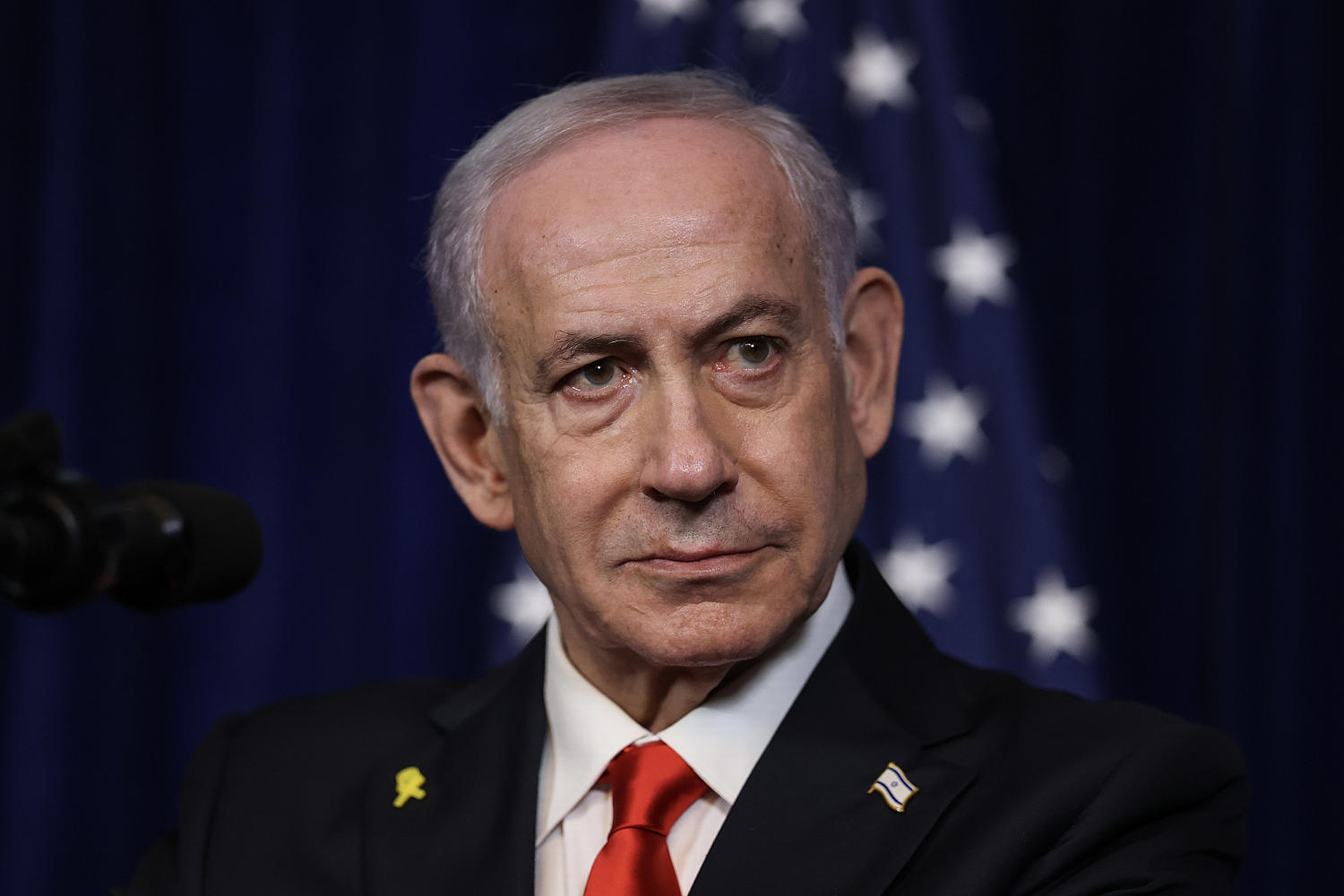
Benjamin Netanyahu tries to dispel viral rumors of his death, fueled by AI paranoia
#Benjamin Netanyahu #death rumors #AI-generated content #misinformation #viral rumors #political disinformation #digital verification
📌 Key Takeaways
- Israeli Prime Minister Benjamin Netanyahu publicly addressed and denied viral rumors of his death
- The false rumors were amplified by AI-generated content and online paranoia
- The incident highlights the growing challenge of AI-manipulated misinformation in politics
- Netanyahu's response demonstrates the need for official verification in the digital age
📖 Full Retelling
🏷️ Themes
Misinformation, AI Ethics, Political Communication
📚 Related People & Topics
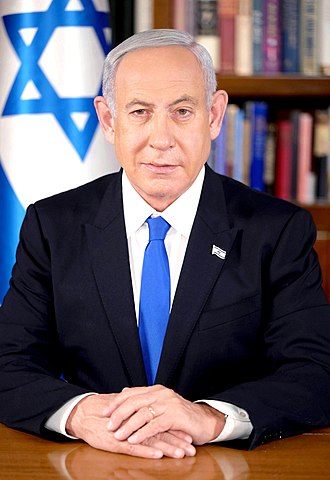
Benjamin Netanyahu
Prime Minister of Israel (1996–1999; 2009–2021; since 2022)
Benjamin "Bibi" Netanyahu (born 21 October 1949) is an Israeli politician and diplomat who has served as Prime Minister of Israel since 2022. Having previously held office from 1996 to 1999 and from 2009 to 2021, Netanyahu is Israel's longest-serving prime minister. Born in Tel Aviv, Netanyahu was r...
Entity Intersection Graph
Connections for Benjamin Netanyahu:
Mentioned Entities
Deep Analysis
Why It Matters
This news matters because it highlights how AI-generated misinformation can rapidly destabilize public discourse and create security risks, particularly in geopolitically sensitive regions like Israel. It affects the Israeli government's credibility, international diplomatic relations, and public trust in digital media. The incident underscores the urgent need for robust verification mechanisms to combat deepfakes and false narratives in the AI era.
Context & Background
- Benjamin Netanyahu is Israel's longest-serving prime minister, currently leading a right-wing coalition government amid ongoing conflicts like the war in Gaza.
- AI-generated deepfakes and misinformation have surged globally, with notable incidents targeting politicians, such as fake audio of U.S. President Joe Biden in 2024.
- Netanyahu has faced health concerns in the past, including a hospitalization for dehydration in 2023, making rumors about his condition particularly resonant.
- Israel is in a period of heightened political tension, with protests over judicial reforms and security challenges, amplifying sensitivity to leadership stability.
What Happens Next
Expect increased scrutiny and potential regulatory actions from Israeli authorities on AI-generated content, possibly including new laws or tech partnerships to detect deepfakes. Netanyahu's team may enhance public communication strategies, such as more frequent live appearances, to preempt future rumors. Internationally, this could spur collaborations among governments to address AI-driven disinformation, with developments likely in the coming months.
Frequently Asked Questions
The rumors likely originated from AI-generated content, such as deepfake videos or fabricated social media posts, that spread rapidly online due to their sensational nature and existing political tensions.
AI-generated rumors are dangerous because they can be highly convincing and spread quickly, undermining trust in institutions and potentially inciting panic or unrest, especially in volatile political environments.
Netanyahu has publicly addressed the rumors, possibly through statements, live broadcasts, or social media posts, to reassure the public of his well-being and discredit the false information.
This could temporarily shake public confidence in leadership, but if handled effectively, it may strengthen calls for digital security measures without causing long-term instability, given Netanyahu's established political position.
Individuals should rely on official sources, such as government websites or reputable news outlets, and be skeptical of unverified content, especially if it spreads quickly on social media without credible evidence.