

Birthright citizenship is the law — the Supreme Court must protect it
📚 Related People & Topics

Fourteenth Amendment to the United States Constitution
1868 amendment addressing citizenship rights and civil and political liberties
The Fourteenth Amendment (Amendment XIV) to the United States Constitution was adopted on July 9, 1868, as one of the Reconstruction Amendments. Considered one of the most consequential amendments, it addresses citizenship rights and equal protection under the law at all levels of government. The Fo...
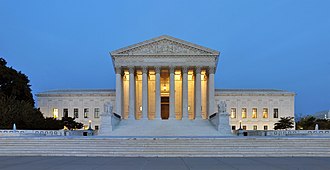
Supreme court
Highest court in a jurisdiction
In most legal jurisdictions, a supreme court, also known as a court of last resort, apex court, high (or final) court of appeal, and court of final appeal, is the highest court within the hierarchy of courts. Broadly speaking, the decisions of a supreme court are binding on all other courts in a nat...
Entity Intersection Graph
No entity connections available yet for this article.
Mentioned Entities
Deep Analysis
Why It Matters
This news matters because birthright citizenship is a foundational principle of American identity and immigration policy, affecting millions of children born in the U.S. to undocumented immigrants. It directly impacts debates about immigration reform, national identity, and constitutional interpretation. The Supreme Court's potential involvement could reshape legal precedents dating back over a century, with significant implications for future generations' rights and status.
Context & Background
- Birthright citizenship originates from the 14th Amendment's Citizenship Clause, ratified in 1868 to guarantee citizenship to formerly enslaved people.
- The Supreme Court affirmed birthright citizenship in United States v. Wong Kim Ark (1898), establishing that children born in the U.S. to non-citizen parents are U.S. citizens.
- Recent political debates have questioned whether birthright citizenship should apply to children of undocumented immigrants, though current law and precedent support it.
- Approximately 4.5 million U.S.-born children live with at least one undocumented immigrant parent as of 2021, per Pew Research Center estimates.
What Happens Next
The Supreme Court may be asked to rule on birthright citizenship if a state or federal law challenges its application. Legal challenges could emerge from states attempting to deny birth certificates or benefits to children of undocumented immigrants. Congressional proposals to amend the 14th Amendment or pass legislation restricting birthright citizenship may gain traction depending on election outcomes.
Frequently Asked Questions
Birthright citizenship is the legal principle that anyone born on U.S. soil automatically becomes a U.S. citizen, regardless of their parents' immigration status. It is established by the 14th Amendment and upheld by Supreme Court precedent.
The Supreme Court may need to intervene if lower courts issue conflicting rulings or if new legislation challenges existing interpretations of the 14th Amendment. Its role is to provide a definitive constitutional interpretation.
Most legal scholars argue that changing birthright citizenship would require a constitutional amendment, as it is rooted in the 14th Amendment. However, some politicians have proposed legislation to reinterpret its application.
The U.S. is one of fewer than 40 countries that grant unconditional birthright citizenship, alongside Canada and Mexico. Most countries require at least one parent to be a citizen or legal resident.
Supporters argue it ensures equality, prevents statelessness, and aligns with American ideals. Opponents claim it encourages illegal immigration and strains public resources, though evidence on these effects is debated.