
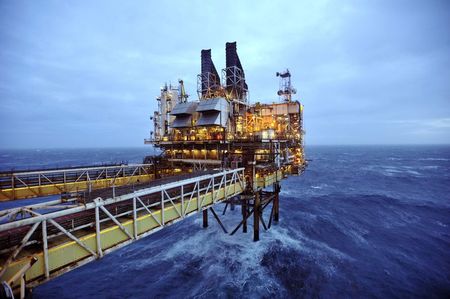
BP to develop major Kaskida field in first new Gulf project in 16 years
#BP #Kaskida #Gulf of Mexico #oil field #energy development #offshore drilling #fossil fuels
📌 Key Takeaways
- BP announces development of Kaskida oil field in Gulf of Mexico
- This marks BP's first new Gulf of Mexico project in 16 years
- Kaskida is described as a major oil field with significant reserves
- Project represents renewed investment in Gulf of Mexico energy production
🏷️ Themes
Energy, Oil Industry
📚 Related People & Topics

Gulf of Mexico
Marginal sea of the Atlantic Ocean
The Gulf of Mexico (Spanish: Golfo de México) is an oceanic basin and a marginal sea of the Atlantic Ocean, mostly surrounded by the North American continent. It is bounded on the northeast, north, and northwest by the Gulf Coast of the United States; on the southwest and south by the Mexican states...

BP
British multinational oil and gas company
BP p.l.c. is a British multinational oil and gas company headquartered in London, England. It is one of the oil and gas "supermajors" and one of the world's largest companies measured by revenues and profits.
Kaskida Oil Field
The Kaskida Oil Field is an offshore oil field located in the Keathley Canyon block 292 of the United States sector of the Gulf of Mexico, 250 miles (400 km) south-west of New Orleans, Louisiana. The field is operated by BP, and owned by BP (100%).
Entity Intersection Graph
No entity connections available yet for this article.
Mentioned Entities
Deep Analysis
Why It Matters
This development marks BP's first new Gulf of Mexico project in 16 years, signaling renewed investment confidence in offshore drilling after years of post-Deepwater Horizon caution. It matters because it will increase U.S. domestic oil production, potentially affecting global energy markets and energy security. The project creates jobs and economic activity in the Gulf region while testing whether major oil companies can balance fossil fuel expansion with climate commitments. Environmental groups will likely scrutinize the project's safety measures and carbon footprint.
Context & Background
- The Deepwater Horizon disaster in 2010 killed 11 workers and caused the largest marine oil spill in history, leading to a major regulatory overhaul and industry caution.
- BP has been gradually rebuilding its Gulf presence since selling assets post-2010, with Kaskida discovered in 2006 but development delayed for over a decade.
- The Gulf of Mexico accounts for about 15% of U.S. crude oil production, with deepwater projects like Kaskida representing the region's future production potential.
- Global energy companies face pressure to reduce emissions while maintaining production, creating tension between climate goals and shareholder expectations for profitability.
What Happens Next
BP will submit development plans to regulators in 2025, with first production expected around 2029-2030 if approved. The company will need to secure partners and financing for the multi-billion dollar project. Environmental reviews and potential legal challenges could affect the timeline. Success may encourage other operators to advance similar deepwater projects in the Gulf.
Frequently Asked Questions
BP faced financial and reputational damage from the 2010 Deepwater Horizon disaster, leading to asset sales and cautious approach. Regulatory changes and lower oil prices during the 2010s made large projects less attractive. The company prioritized rebuilding operational safety and shareholder confidence before major new investments.
Kaskida is one of BP's largest discoveries in the Gulf, estimated to hold billions of barrels of oil equivalent. It's located in the Keathley Canyon area in approximately 5,800 feet of water. The field represents a long-term production asset that could operate for decades.
Environmental groups worry about potential spills in deepwater environments and increased greenhouse gas emissions from new fossil fuel development. The project conflicts with climate goals to reduce oil production. Critics question whether safety improvements since 2010 are sufficient for ultra-deepwater drilling.
The project will contribute to domestic oil production, reducing reliance on imports. However, Gulf oil typically enters global markets, so the impact on specific U.S. supply depends on refining and distribution. The development supports the Gulf region's energy infrastructure and workforce.